
Limpet (true limpets and similar shelled gastropods)
Limpets are marine gastropods with simple conical shells. This article covers true limpets (Patellogastropoda), their anatomy, ecology, life cycle, differences from other 'limpets', and human interactions.
Overview
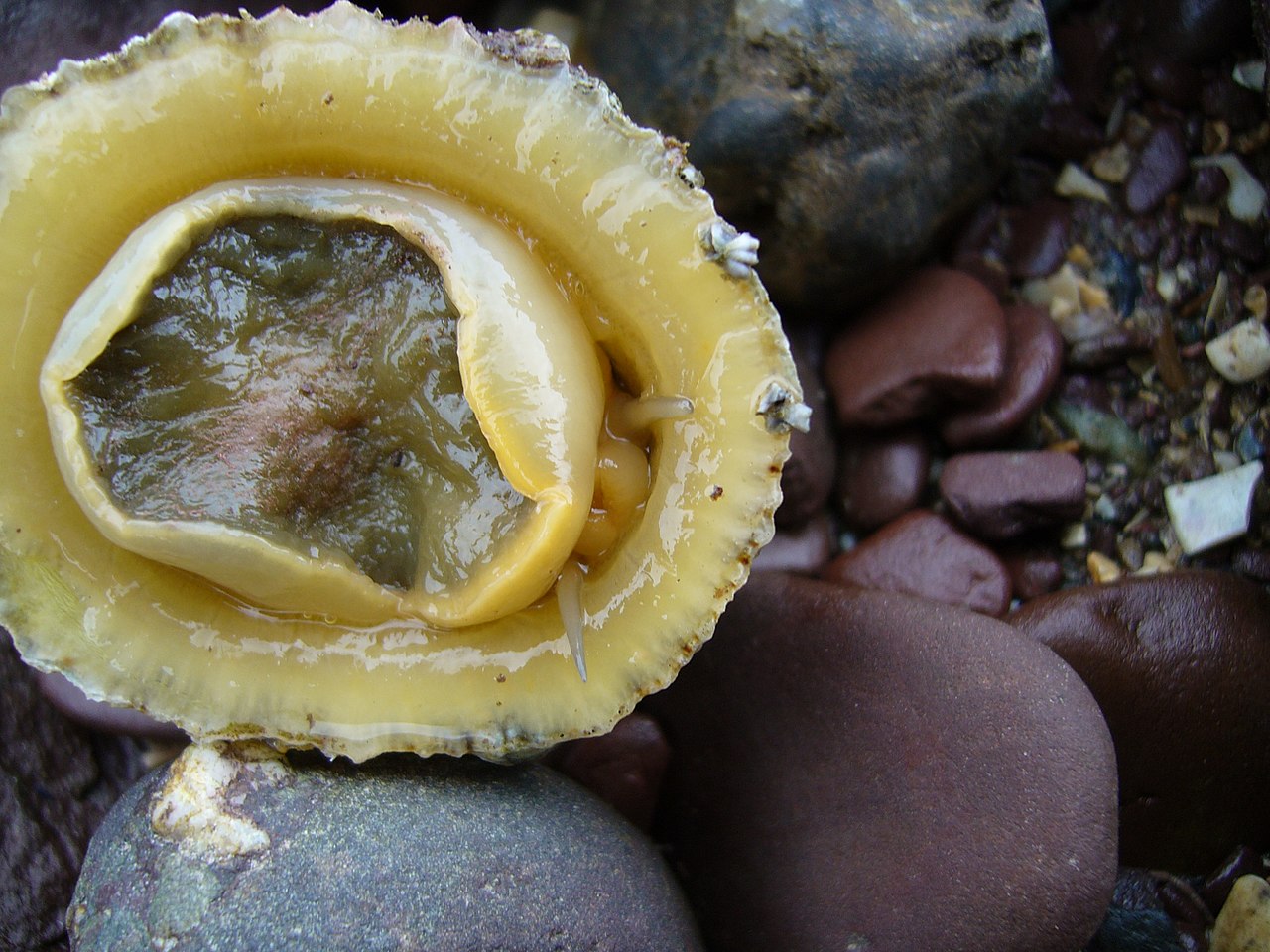
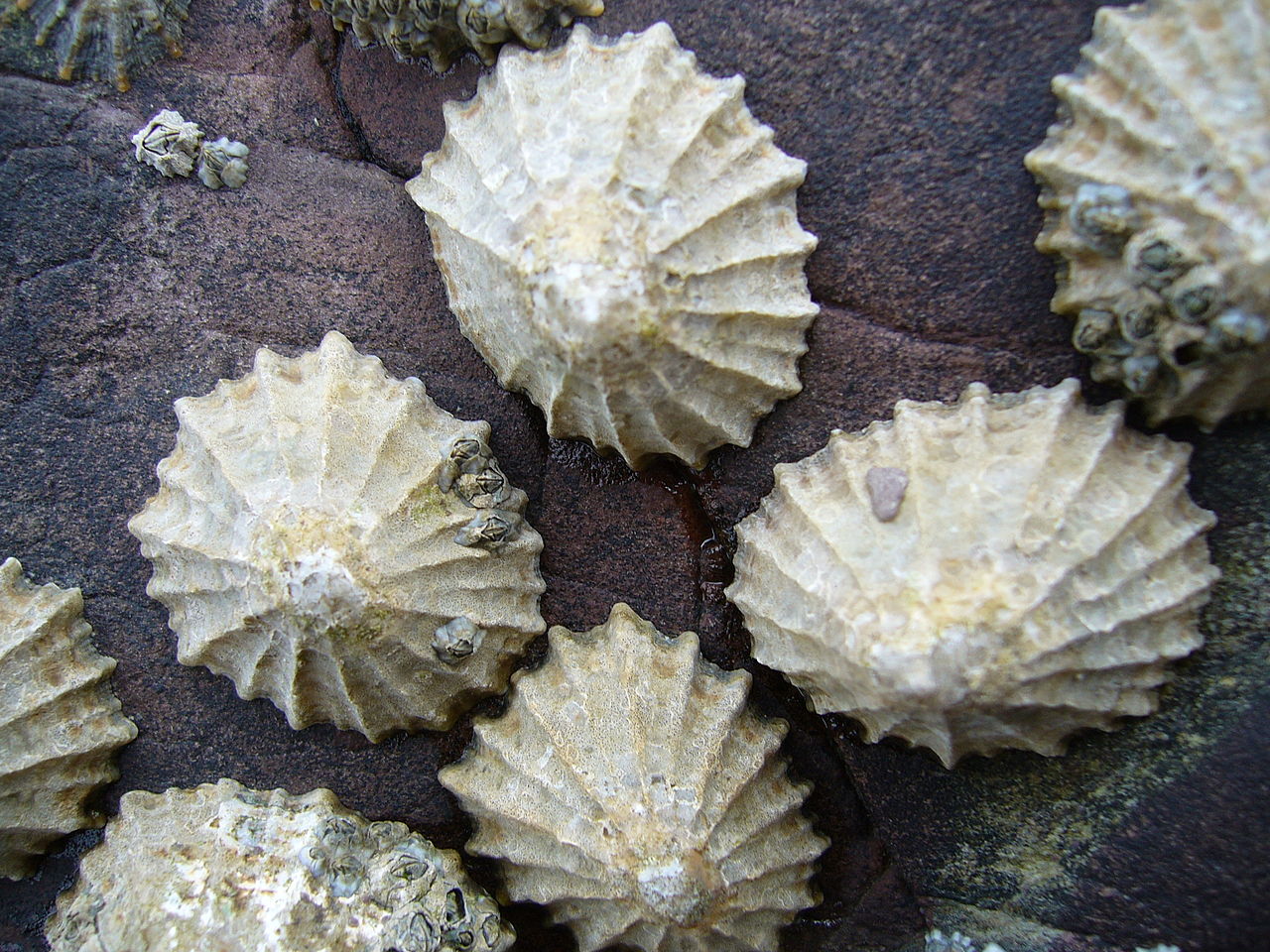
The common name "limpet" refers to several groups of gastropods that share a simple, cap- or cone-shaped shell. In strict scientific usage, "true limpets" belong to the clade Patellogastropoda and are marine gastropods adapted to life on hard seashores. They are most conspicuous in the rocky intertidal zone, where individuals cling to rock faces and withstand changing tides and strong waves. Limpets adhere by combining a broad muscular foot with a layer of mucus that forms a tight seal against the substrate.
Image gallery
4 Images

Physical characteristics and adaptations
True limpets have a compact body plan optimized for strong attachment and grazing. Important features include:
- Shell: a low, uncoiled cone or cap that reduces lift and drag, helping resist dislodgement by waves.
- Muscular foot: a large, flexible sole that creates suction and allows slow crawling over rock surfaces.
- Mucus and seal: mucus aids movement and, together with a close-fitting shell margin, reduces water loss during low tide; mucus chemistry also contributes to adhesion and movement (mucus).
- Radula: a toothed, ribbon-like organ used to scrape algal films and biofilms from rock surfaces; the radula is a key feeding adaptation (radula).
- Tooth reinforcement: in some species, radular teeth are reinforced with mineral deposits, including iron-bearing compounds, which improve wear resistance.
Feeding, movement and ecological role
Limpets are primarily grazers of microalgae and biofilm communities that coat rocks. They use their radula to rasp off microscopic algae (algae) and organic films, often following regular grazing paths. Many species show homing behaviour: after foraging they return to a preferred "home scar" on the rock where the shell matches the contour of the surface, improving the seal and reducing desiccation. Some limpets defend a feeding territory or maintain characteristic cleared patches that influence local species composition.
Life history and reproduction
Reproductive strategies vary among species. Many true limpets are broadcast spawners that release eggs and sperm into the water column, where external fertilization occurs. Larval development often includes planktonic stages such as trochophore and veliger larvae that disperse with currents before settling and metamorphosing into juvenile limpets. Growth rates are generally slow; some species may live several years, and longevity combined with low recruitment can make some populations vulnerable to disturbance and harvesting.
Distribution and taxonomy
True limpets occur worldwide on suitable rocky shorelines from temperate to tropical seas, with species composition varying regionally. The informal term "limpet" is also applied to unrelated gastropods that have similar shell shapes. For example, keyhole limpets (family Fissurellidae) possess a hole or notch in the shell apex and are not members of the Patellogastropoda; similarly, a variety of freshwater and land snails have convergently evolved limpet-like shells but belong to other gastropod lineages.
Predators, threats and conservation
Limpets face predation from birds, fish, crabs and predatory gastropods, and they rely on tight adhesion, shell shape and microhabitat selection to reduce risk. Human impacts include collection for food or bait, coastal development, pollution and trampling of intertidal zones; these pressures can reduce local abundances. Because limpets influence algal cover and community structure, declines in limpet populations may have cascading ecological effects.
Human uses and scientific interest
In some coastal communities limpets have been harvested for food. Beyond direct use, limpets are studied for their strong adhesive abilities and the material properties of their radula teeth, leading to interest from biomimetics and materials science. Researchers also use limpet populations as indicators of intertidal health and to study the effects of grazing on community dynamics.
Distinctions and further reading
Not all animals called "limpets" are closely related; the name describes shell shape rather than a single taxonomic group. Most species are small, commonly under 3 in (8 cm) in length, although a few reach larger sizes — for example, the West Mexican limpet can grow to about 8 in (20 cm). For more detailed general information on marine gastropods, intertidal ecology, mucus and adhesion, algal diets, radula structure, size variation and notable large species, consult these resources: marine gastropod overview, intertidal ecology, mucus and adhesion, algal diets, radula structure, typical sizes, large limpet examples.
Questions and answers
Q: What are limpets?
A: Limpets are marine and freshwater gastropod molluscs with simple conical shells.
Q: What are true limpets?
A: True limpets refers to small marine gastropod molluscs with flattened, cone-shaped shells that are part of the ancient clade Patellogastropoda.
Q: Where do true limpets live?
A: True limpets live throughout the intertidal zone, attached to rocks or other hard ground.
Q: How do limpets attach themselves?
A: Limpets attach themselves using mucus and a muscular "foot", which seals them against the rock and protects them from desiccation during low tide, and from high-energy waves action.
Q: What do limpets eat?
A: Limpets eat by grazing on algae found on rock surfaces. They scrape films of algae from the rock with a radula, a ribbon-like tongue with rows of teeth.
Q: How do limpets move?
A: Limpets move by rippling the muscles of their foot in a wave-like motion.
Q: What is the size range of most limpets?
A: Most limpets are less than 3in (8cm) long, but there is a West Mexican Limpet that grows to be 8in (20 cm).
Related articles
Author
AlegsaOnline.com Limpet (true limpets and similar shelled gastropods) Leandro Alegsa
URL: https://en.alegsaonline.com/art/58114
Sources
- bbc.co.uk : "Fact files: Common limpet"
- geochembio.com : Lottia gigantea: taxonomy, facts, life cycle, bibliography