
Lima, Dalarna — village in Malung-Sälen Municipality, Sweden
Lima is a small riverside village in Dalarna County, Sweden. Located on the Västerdalälven within Malung-Sälen Municipality, it has a rural character, local services, and a history tied to river transport and regional rail.
Overview
Lima is a small settlement in Malung-Sälen Municipality in Dalarna County (Dalarnas län), in the historical province of Dalarna in central Sweden. It lies on the banks of the Västerdalälven river and is situated northwest of the municipal centre, Malung. The village has a rural character and serves as a local service centre for surrounding farms and forested areas.
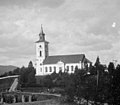
Image gallery
1 Image
Population and statistical status
Like many small Swedish communities, Lima’s classification has varied as its population and built-up area changed. In 2010 the locality was recorded with around 398 inhabitants and met Statistics Sweden’s criteria for a tätort (urban area). Later adjustments in how continuous residential development was measured meant parts of the settlement were recategorized as smaller units (småorter). By the end of 2018 Lima again exceeded the 200‑person threshold commonly used to distinguish a tätort from a småort.
Geography and landscape
The village is sited along the Västerdalälven, one of the larger rivers running through Dalarna, and the surrounding landscape is typical of inland Sweden: mixed forests, small farms, and lakes. The river has historically been an important feature for local transport, timber floating and recreation. The broader region attracts visitors for outdoor activities such as fishing, hiking and nearby winter sports.

Transport and infrastructure
Riksväg 66, a national road, passes through Lima and provides road links to neighbouring communities. Local county roads cross the river and connect settlements on both banks. Lima once had a station on the Limedsforsen–Särna railway, a branch that continued from the Västerdalsbanan; that line is now disused and has been dismantled. Within the village there is a school and a healthcare clinic (polyclinic) serving local residents.
History, administration and parish life
Settlement in the area follows the long pattern of small agricultural and forestry hamlets in Dalarna. Lima functioned as the seat of the historic Lima parish (Lima församling / socken) until a parish reorganisation in the 2000s merged it with neighbouring Transtrand to form a combined parish, with the administrative centre located in Transtrand. The village church, community facilities and parish activities have traditionally been focal points of local identity.
Local economy and recreation
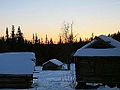
Lima’s economy is mixed, reflecting forestry, small‑scale farming, local services and tourism tied to outdoor recreation. Proximity to regional ski areas and trail networks in Dalarna makes the locality a base for seasonal visitors. The surrounding natural environment also supports recreational fishing and boating on the Västerdalälven.
Notable facts and distinctions
- Located on Västerdalälven, giving the village a strong riverside identity.
- Has experienced changes in statistical classification (tätort vs småort) tied to population and settlement patterns.
- Once connected by a regional railway that has since been removed.
Lima exemplifies many small inland Swedish communities where rivers, forests and parish structures have shaped daily life and local identity over centuries. Its mix of services, transport links and natural surroundings continue to sustain both residents and visitors.
Related articles
Author
AlegsaOnline.com Lima, Dalarna — village in Malung-Sälen Municipality, Sweden Leandro Alegsa
URL: https://en.alegsaonline.com/art/58048