
Like a Prayer (song)
1989 single by Madonna that fused pop, rock and gospel elements; noted for its provocative music video, chart-topping success and lasting influence on pop music.
"Like a Prayer" is a 1989 single by the American singer Madonna. Released as the title track from her fourth studio album, the song marked a stylistic shift by incorporating strong elements of gospel into a mainstream pop rock sound while retaining the intimate structure of a ballad. The record has since been regarded as one of Madonna's most iconic and ambitious pop songs.
Image gallery
10 Images




Composition and themes
The song blends soulful choir arrangements, rock-tinged instrumentation and a confessional vocal performance. Lyrically it juxtaposes spiritual imagery with personal longing, using religious metaphors to explore devotion, desire and redemption. Critics and listeners noted the deliberate tension between sacred motifs and secular emotion, which encouraged debate about artistic boundaries and interpretation.
Recording and release
Co-written and produced in collaboration with long-time musical partners, the track was issued as a single in early 1989. Upon release it received widespread radio play and strong sales, reaching the top of national charts, including the Billboard Hot 100, and performing well internationally. Its polished production and memorable chorus contributed to rapid commercial success.
Music video and controversy
The accompanying music video used vivid religious imagery and narrative scenes that many viewers found provocative. The visual sparked public controversy and drew criticism from some religious groups. A high-profile commercial tie-in that used the song prompted backlash and was withdrawn, illustrating how the video intensified discussion of the song far beyond its musical merits.
Reception and legacy
Critically the song was praised for its bold fusion of genres and mature themes. In retrospective assessments it is often cited as a turning point in Madonna's career, demonstrating her willingness to combine pop craftsmanship with provocative subject matter. The track has been performed in multiple concert tours and remains a staple of her catalog, frequently listed among her most influential and recognizable recordings.
Notable facts
- Title track from Madonna's fourth album.
- Fuses contemporary pop/rock with gospel choir elements.
- Spawned one of the decade's most debated music videos.
- Achieved #1 chart placements in the U.S. and abroad.
For more on the stylistic influences and cultural reaction to the song, see related topics on gospel music, pop rock, and Madonna's broader work at artist and chart resources Madonna and Billboard.
Music video
The music video was directed by Mary Lambert, who also directed the videos for Borderline and Like a Virgin. The film was shot at Raleigh Studios in Hollywood, California. At the beginning of the clip, Madonna sees a couple of white men harassing and holding down a girl. Madonna flees to a church; she shows stigmata on her hands in a dream, she prays to St. Martin, a black saint (also Leon Robinson), kisses him, and the latter comes to life. In a flashback, it becomes clear that the men stabbed the girl with a knife. One of the perpetrators eyed Madonna menacingly as he did so. A black man brought in to help was mistaken for the perpetrator by the arriving police and arrested. Later, Madonna sings the song along with a gospel choir. To ensure justice, she affirms to the cops that they arrested the wrong one, and they release him from jail after Madonna's testimony. In the end, it turns out that the plot of the video is a play. In the video, she dances on a field of burning crosses. While in the U.S. the burning crosses led to the video's cancellation and boycott, European countries expressed "shock" over the "blasphemous scenes." As a result, major sponsor Pepsi canceled the started commercial featuring Madonna and canceled its involvement as a sponsor of her planned world tour (Madonna was allowed to keep the $5 million fee). Madonna: "At that time my tour sponsor Pepsi Cola caused the most problems. They were scared because of the erotic innuendos. But they paid up, took off and that was it." The video was also aired in Germany on MTV only at night. Single as well as album became, also because of this rather involuntary publicity by the condemnation of parent associations and church representatives, one of their biggest successes.
Cover versions (selection)
- 1992: Bigod 20
- 1992: Marc Almond
- 1998: Royal Philharmonic Orchestra
- 2000: Gong
- 2001: H2O
- 2002: Mad'House
- 2002: Limelight
- 2002: Rufio
- 2003: Nolwenn Leroy
- 2005: Gigi D'Agostino
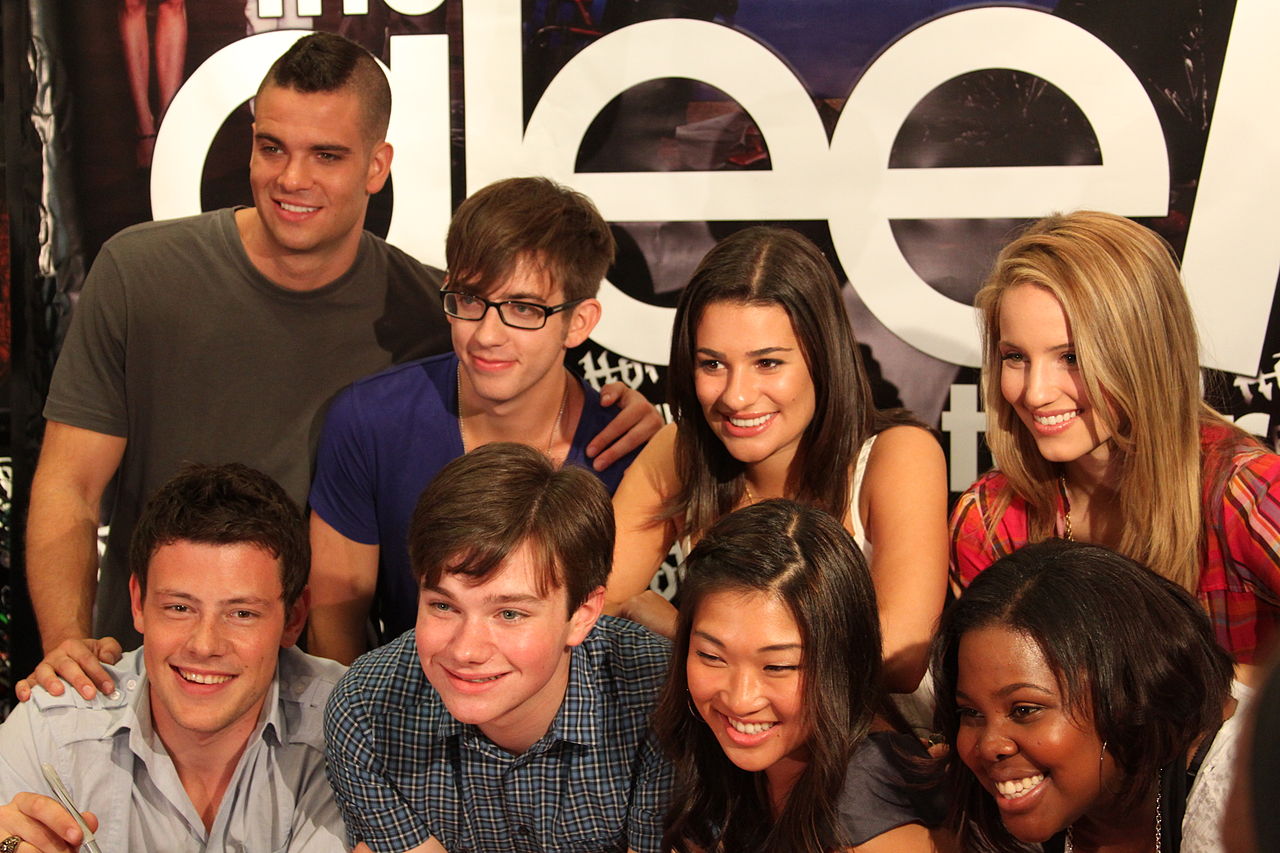
- 2010: Glee
- 2011: Ida Sand
Related articles
Author
AlegsaOnline.com Like a Prayer (song) Leandro Alegsa
URL: https://en.alegsaonline.com/art/57998