
Liancourt Rocks (Dokdo / Takeshima) — Overview and dispute
Small group of islets in the body of water between Korea and Japan. Administered by South Korea, claimed by Japan; notable for sovereignty dispute, ecology, and political symbolism.
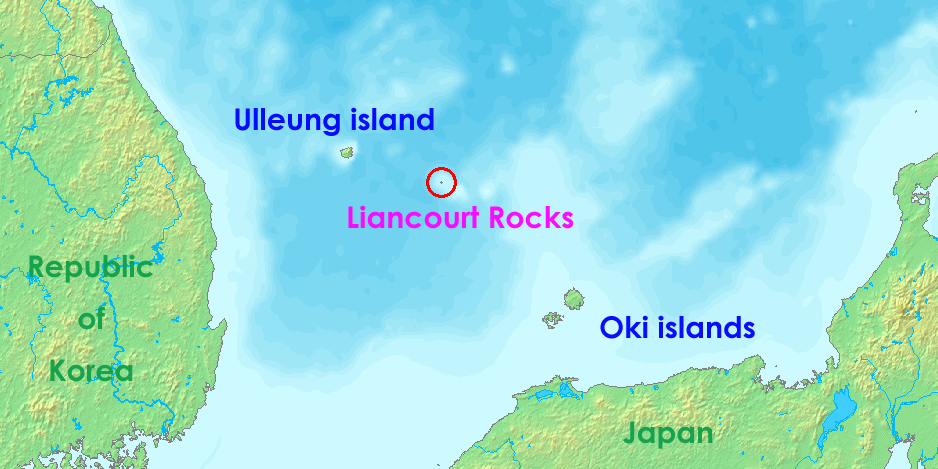
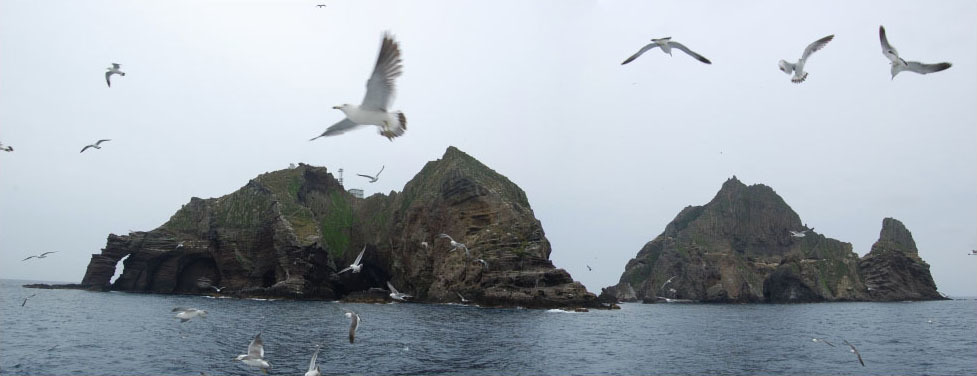
The Liancourt Rocks are a compact group of rocky islets in the sea between the Korean Peninsula and the Japanese archipelago. They are known by several names: Dokdo in Korean and Takeshima in Japanese; the English name derives from the 19th‑century French ship Liancourt. The islets are exposed volcanic rock with steep shores and limited flat areas, and they sit amid productive marine waters that have long been used by coastal fishers. For a general geographic reference see Liancourt Rocks and the surrounding body of water often called the East Sea.
Image gallery
10 Images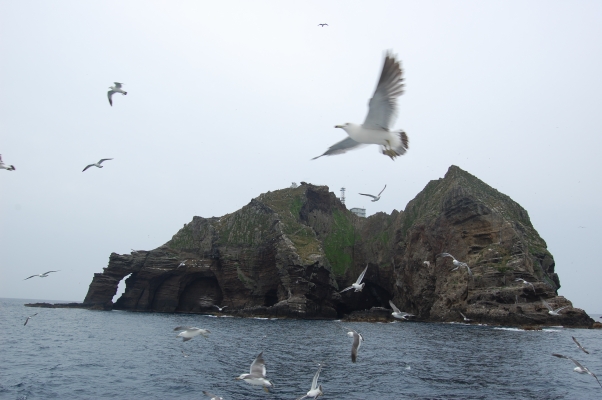




Physical characteristics and environment
The group consists of two main islets and several smaller rocks and reefs. Vegetation is sparse; the islands host marine bird colonies and intertidal life that supports local fisheries. Human installations on the larger islet include a small permanent detachment, a lighthouse, and modest facilities for personnel and visitors. The rocky shores and strong currents make landing difficult except at a few sheltered spots.
Names, mapping and historical notes
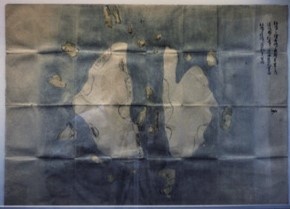
The English name—Liancourt Rocks—comes from the French whaling vessel Liancourt, whose crew produced one of the early modern charts of the islets in the mid‑19th century; see an account linked as French source and the ship entry Liancourt. Korean historical references use the name Dokdo and Japanese sources use Takeshima. A mid‑19th century map produced by visitors to the islets is sometimes cited in discussions of early charting (historic map).
Administration and the sovereignty dispute
Presently the islets are administered and physically occupied by South Korean authorities, who maintain a police detachment and basic infrastructure. Japan asserts its own claim and refers to the islets as Takeshima. The disagreement over sovereignty has been a sensitive bilateral issue affecting diplomatic relations and public opinion in both countries. Japan has proposed resolving the matter at the International Court of Justice, but South Korea has declined to submit the dispute while it maintains effective control.
Importance and contemporary relevance
Beyond their limited land area, the Liancourt Rocks are significant for several reasons: they sit over productive fisheries, they are symbols of national identity and historical memory for people in Korea and Japan, and they have strategic and environmental significance. The situation is frequently referenced in political discourse, educational materials, and cultural works in both countries.
Summary points
- Also called Dokdo (Korean) and Takeshima (Japanese); English name from the ship Liancourt.
- Small, rocky islets with limited infrastructure and important marine resources.
- Administered by South Korea; claimed by Japan; diplomatic options such as the ICJ have been discussed.
- Historic charts and visits in the 19th century are part of the documented record (historic map, French accounts).
For further reading and official statements consult national sources and impartial historical reviews; see also general references under Liancourt Rocks and regional sea names such as the East Sea. Additional national or archival material is available via the administrative authority's publications and historical maritime records (South Korean sources).
Questions and answers
Q: Where are the Liancourt Rocks located?
A: The Liancourt Rocks are located in the East Sea.
Q: Who currently occupies the Liancourt Rocks?
A: The South Korean armed police currently occupies the Liancourt Rocks.
Q: Where did the name Liancourt Rocks come from?
A: The name Liancourt Rocks comes from a French whaling ship named Liancourt.
Q: When was a map of the islands made?
A: A map of the islands was made by the people on the Liancourt in 1849.
Q: Who has been disputing the ownership of the Liancourt Rocks?
A: Both Korea and Japan have been disputing the ownership of the Liancourt Rocks.
Q: What has Japan suggested to sort out the dispute?
A: Japan has suggested to sort out the dispute in International Court of Justice.
Q: Has the South Korean government agreed to sort out the dispute in International Court of Justice?
A: No, the South Korean government has been refusing to sort out the dispute in International Court of Justice.
Related articles
Author
AlegsaOnline.com Liancourt Rocks (Dokdo / Takeshima) — Overview and dispute Leandro Alegsa
URL: https://en.alegsaonline.com/art/57693
Sources
- search.hankooki.com : Dokdo Hosts First Civilians in a Decade