
Li Bai — Tang dynasty poet celebrated for imagination and lyrical verse
Li Bai (701–762) was a leading Tang dynasty poet known for imaginative, Taoist-inflected imagery, extensive travel, and about 1,100 surviving poems that shaped Chinese and East Asian literature.
Overview
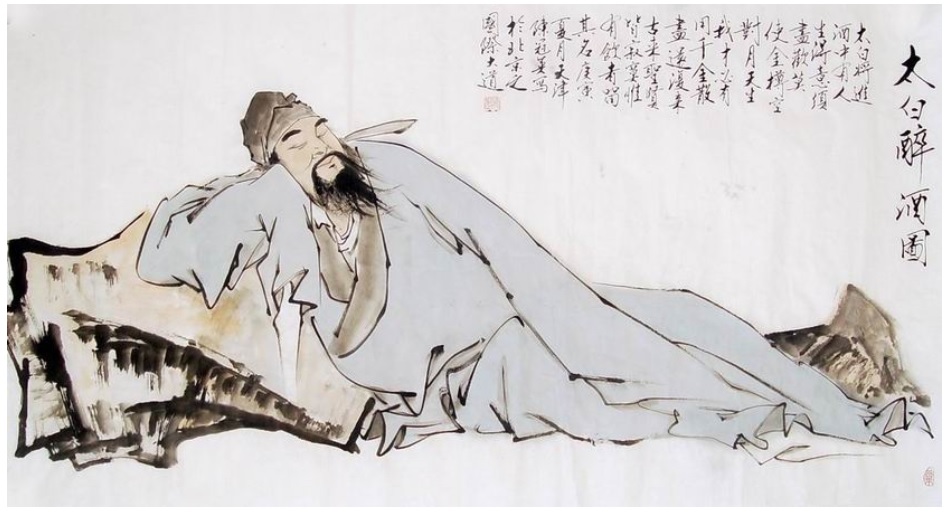
Li Bai (also written Li Bo or Li Po) is one of the most famous poets in Chinese history. His name in Chinese characters is shown here: 李白, and the standard pinyin rendering is Lǐ Bái. Born in 701 and dying in 762, Li Bai left a large body of work—roughly 1,100 poems survive—and is often paired with Du Fu as one of the two greatest poets of the Tang dynasty. He is widely described as a classical Chinese poet with a distinctive, romantic voice and a reputation for exuberant living.
Image gallery
10 Images




Style and themes
Li Bai’s verse is celebrated for its vivid imagination and striking metaphors, qualities often linked to Taoist sensibilities and an emphasis on spontaneity. Critics and readers note his frequent use of natural imagery—mountains, rivers, moonlight—and scenes of travel, wine, friendship and solitude. His language can be both concise and elevated, moving easily from intimate lyric moments to grand, sweeping reflections. Scholars point to the poet’s characteristic balance of formal mastery and apparent offhand freedom in both regulated and unregulated forms.
Life and career
Much about Li Bai’s life is known from later biographies, contemporaneous anecdotes and his own poems. He traveled widely across China, seeking patrons and official posts but often preferring the company of friends, wine, and the road. The poet Du Fu included him among the celebrated drinkers in a verse that called them the "Eight Immortals of the Wine Cup"; Du Fu’s reference appears in several retellings and is an important historical connection: Du Fu. Li Bai moved between court circles and freer, itinerant life—he spent time at the imperial court but did not remain long in office.
Notable poems and examples
Among Li Bai’s shorter poems several have become household names in Chinese culture. His works range from compact, memorable lyrics to longer, more discursive pieces. Collections and anthologies of his poems show the variety of forms he used: regulated verse, old-style lines, and more conversational pieces. Themes include homesickness, the beauty of landscapes, friendship and the passing of time.
Translations and international influence
Li Bai reached a global readership through translations that began to appear in the 19th century. Early Western-language publications included a 1862 French edition by the Marquis d'Hervey de Saint-Denys and later English introductions such as Herbert A. Giles's survey in 1901. In the 20th century translators and poets further widened his reach; a notable modern mediator was Ezra Pound, whose versions often drew on earlier Japanese translations and comparative scholarship. Critical collections and modern editions of Li Bai's work and translations have continued to shape appreciation outside China.
Legends, reception and lasting importance
Li Bai’s biography is surrounded by memorable stories, the most famous being the anecdote that he once leaned over a boat to embrace the moon’s reflection and drowned in the Yangtze River. Whether literal or apocryphal, such tales emphasize his image as a transcendent, wine-loving wanderer steeped in poetic imagination—an impression reinforced by references to his visionary energy and imaginative daring. His work also shows ties to Taoist ideas about nature and the self, even when the poetry engages social or emotional concerns. Today Li Bai is studied for his technical skill, vivid imagery and lasting influence on Chinese-language poetry and East Asian literary traditions.
Further reading
- Anthologies of Tang poetry and translations provide accessible entry points to Li Bai’s work; seek editions with commentary.
- Biographical sketches and critical studies place his poems in historical and cultural context.
- For comparative perspectives, consult modern translations that show how different eras have reinterpreted his voice.
Questions and answers
Q: Who was Li Bai?
A: Li Bai was a Chinese poet.
Q: Who counted Li Bai to the group of "Eight Immortals of the Wine Cup"?
A: His fellow poet Du Fu counted him to the group of Chinese scholars he called the "Eight Immortals of the Wine Cup" in a poem.
Q: What is Li Bai known for in his poetry?
A: Li Bai is best known for the imagination and Taoist imagery in his poetry.
Q: How many of Li Bai's poems do we know about today?
A: We know around 1,100 of Li Bai's poems today.
Q: When were the first translations of Li Bai's poems published in a Western language?
A: The first translations in a Western language were published in 1862 by Marquis d'Hervey de Saint-Denys in his Poésies de l'Époque des Thang.
Q: Who introduced the English-speaking world to Li Bai's works?
A: The English-speaking world was introduced to Li Bai's works by a Herbert Allen Giles publication History of Chinese Literature (1901) and through the liberal, but poetically influential, translations of Japanese versions of his poems made by Ezra Pound.
Q: How is Li Bai said to have died?
A: People tell the story that Li Bai fell from his boat when he tried to embrace the reflection of the moon, and therefore drowned in the Yangtze River.
Related articles
Author
AlegsaOnline.com Li Bai — Tang dynasty poet celebrated for imagination and lyrical verse Leandro Alegsa
URL: https://en.alegsaonline.com/art/57677