
Letters to Juliet (2010 romantic comedy-drama film)
A 2010 romantic comedy-drama set in Verona, inspired by a nonfiction book about the real-life tradition of letters to Juliet; directed by Gary Winick and starring Amanda Seyfried and an ensemble cast.
Overview
Letters to Juliet is a 2010 romantic comedy-drama that centers on love, second chances and the traveler's experience in Italy. The film follows an American visitor who becomes involved with a long-standing local tradition in Verona: letters left for Juliet Capulet at the Casa di Giulietta. Released on May 14, 2010, the movie blends scenic Italian locations with a narrative about rediscovery and intergenerational romance.
Image gallery
1 Image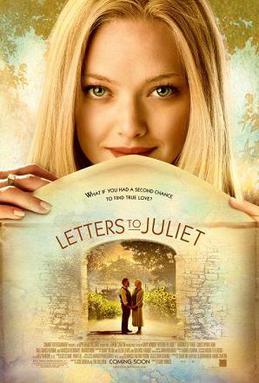
Plot and setting
Set largely in and around the historic city of Verona, the story uses the real-life practice of writing messages to Shakespeare's Juliet as its emotional hinge. The protagonist encounters a cluster of letters and those who answer them, setting off a quest that connects past and present lovers. The setting—cobbled streets, vineyards and period architecture—functions as more than backdrop: it becomes a character in its own right, shaping mood and theme.
Principal cast
- Amanda Seyfried — the film's lead, whose performance anchors the romantic plotline.
- Chris Egan — a supporting actor who appears among the leading ensemble.
- Vanessa Redgrave — provides a key generational perspective in the story.
- Franco Nero — appears in a significant role tied to the film's themes of reunion.
- Gael García Bernal — part of the international cast contributing to the film's tonal variety.
Origin, production and director
The screenplay and production were inspired by the 2006 nonfiction book Letters to Juliet, by Lise Friedman and Ceil Friedman, which explored the phenomenon of letters left at Juliet's purported balcony. Gary Winick directed the film; it was the final feature he completed before his death. Filming took advantage of authentic Italian locations to evoke the romance and cultural specificity central to the story.
Reception, themes and legacy
Critics offered mixed but often favorable reactions: praise focused on the film's picturesque cinematography and lighthearted romantic appeal, while some commentators critiqued familiar plot conventions. Audiences drawn to romantic travel stories responded positively, and the movie contributed to popular interest in Verona's Juliet site. The film is frequently cited in discussions of romantic tourism and contemporary cinematic portrayals of Italy.
Notable facts and distinctions
The movie brought renewed attention to the real-world practice of leaving notes for Juliet and to the volunteers who respond to them. Its combination of romance, picturesque location work and intergenerational storytelling makes it a representative example of early-21st-century romantic comedies that blend sentimental premise with travel-oriented appeal. For further cast and release details, see release information.
Questions and answers
Q: What is Letters to Juliet?
A: Letters to Juliet is an American romantic comedy-drama movie released in North America and other countries on May 14, 2010.
Q: Who stars in Letters to Juliet?
A: The movie stars Amanda Seyfried, Chris Egan, Vanessa Redgrave, Gael García Bernal, and Franco Nero.
Q: Who directed Letters to Juliet?
A: The movie was directed by Gary Winick, but it was his final work before he died of brain cancer.
Q: When was Letters to Juliet released?
A: Letters to Juliet was released on May 14, 2010 in North America and other countries.
Q: What inspired Letters to Juliet?
A: Letters to Juliet was inspired by the 2006 non-fiction book, Letters to Juliet, by Lise Friedman and Ceil Friedman.
Q: What genre is Letters to Juliet?
A: Letters to Juliet is a romantic comedy-drama movie.
Q: Who played the role of Juliet in Letters to Juliet?
A: There is no character playing the role of Juliet in the movie. The movie is about people writing letters to Juliet and seeking her advice.
Related articles
Author
AlegsaOnline.com Letters to Juliet (2010 romantic comedy-drama film) Leandro Alegsa
URL: https://en.alegsaonline.com/art/57517
Sources
- latimesblogs.latimes.com : "First Look: 'Robin Hood' wobbly in U.S. but hits target overseas"
- boxofficemojo.com : "Letters to Juliet (2010)"