
Leshy — the Slavic forest spirit and guardian of woodlands
Leshy is a shape‑changing woodland spirit from Slavic folklore, variously portrayed as guardian, trickster, or menace. This article surveys names, traits, regional forms, customs, symbolism, and modern portrayals.
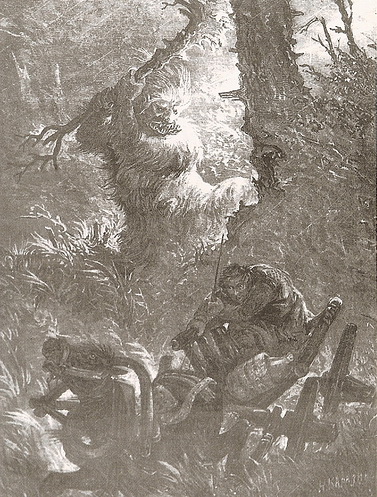
The Leshy is a legendary spirit from Slavic folklore traditionally associated with forests, groves and wild places. Often depicted as a male, humanoid being, the Leshy is best known for abilities such as changing his height and appearance, imitating voices, and leading travelers off familiar paths. Accounts collected in oral tradition and later ethnography present him alternately as a protector of the wood, a mischievous trickster, or a dangerous presence to those who fail to show respect.
Image gallery
4 Images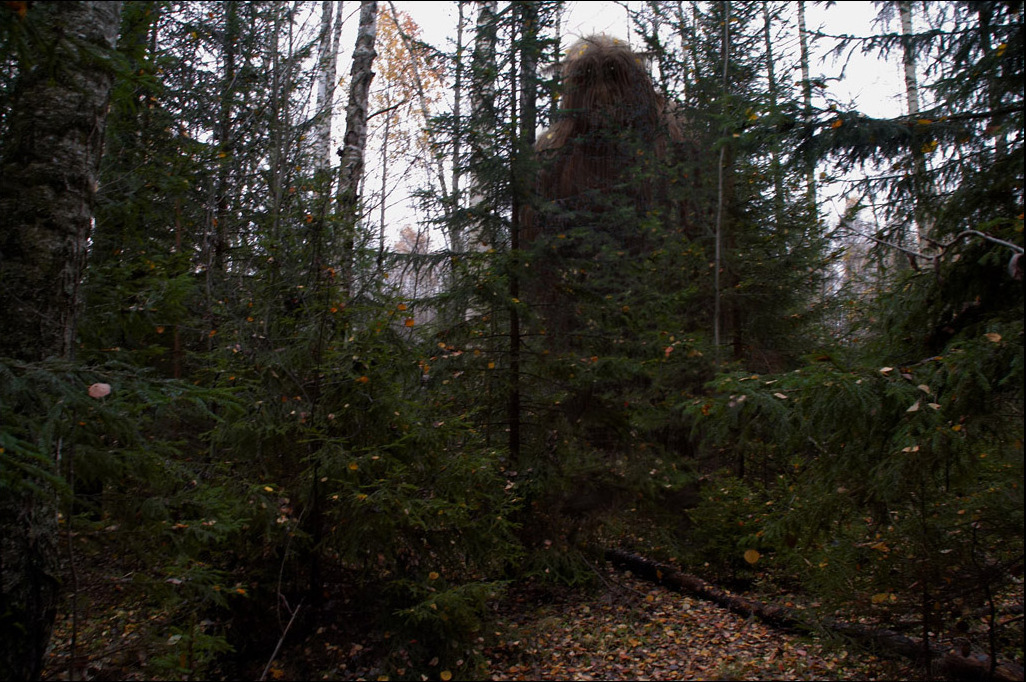


Name and etymology
The English name "Leshy" derives from Slavic roots related to the word for "forest." In Polish sources a common form is Leszy, while regional glosses and comparative treatments use variants and cognates; for general overviews see regional studies. Different languages and localities preserve distinct but related names that reflect the creature’s close connection to wooded terrain.
Appearance and abilities
Descriptions vary widely. Some tellers describe a manlike figure with hair, a beard or vegetation growing on his body; others imagine a being that can take on animal or tree forms. Two features that recur across many traditions are size change (the Leshy may be as tall as the trees or as small as an insect) and voice mimicry (imitating human speech, bird calls or the sounds of the forest). He is often portrayed as having authority over animals and plants within his domain: game may heed or avoid him, and travelers can be made to lose their way.
Family and social aspects
In some folktales the Leshy is not solitary. Variants mention a wife—called in various tongues leshachikha, lesovikha or similar—and small forest children sometimes referred to collectively in folk speech. These domestic motifs, which appear more often in western and southern accounts, suggest that the Leshy could be imagined as part of a larger household of woodland spirits rather than as an isolated force.
Behavior toward people and customary responses
Interactions between humans and the Leshy range from amicable to hostile. Farmers, hunters and woodcutters in many areas were said to observe certain practices to avoid offence: leaving offerings at the forest edge, asking permission before entering, or performing small rites recorded in local ethnographies. Conversely, tales relate that a Leshy may mislead travelers, hide livestock, or abduct children in order to exchange them for his own—motifs that overlap with other European folk beings. Folk strategies reported in sources include making a clear trail, using markers, or particular gestures and words to regain one’s way; detailed customs vary by region and community (cultural notes).
Regional variants and comparable beings
The Leshy belongs to a broader family of Slavic forest spirits. In Russian tradition a closely related figure is often called the lesovik. Ethnographic collections record many local names and nuances: some emphasize the Leshy’s role as a guardian over game, others his trickster aspects, and some give him features specific to local ecology. For surveys of these differences consult interdisciplinary folklore studies and regional reference works (folklore references).
Symbolism, interpretation and scholarship
Scholars commonly interpret the Leshy as a survival of pre‑Christian, animistic attitudes in which natural places were inhabited by distinct spirits. He can function symbolically as a personification of the forest’s autonomy and danger: a reminder that wooded landscapes obey their own rules. Modern folklorists emphasize the diversity of beliefs and caution against reducing the Leshy to a single moral category; in some communities he is protective if respected, in others a troubling presence to be guarded against. For academic discussion and comparative analyses see further reading.
Modern culture and adaptations
The Leshy appears in contemporary literature, games and media, often adapted to suit modern fantasy conventions. He features as a monster or enigmatic guardian in works of speculative fiction, and his image has been popularized in adaptations such as the contemporary fantasy saga by Andrzej Sapkowski and related media; for one example see a fictional treatment in novels and sagas. Popular accounts tend to emphasize the more spectacular elements—size change, eerie voices and sudden disappearance—while academic treatments focus on the creature’s place within traditional belief systems. Introductory resources and accessible anthologies are available for readers interested in comparisons and translations (recommended sources).
Whether viewed as guardian, trickster, or force of natural unpredictability, the Leshy remains a resonant figure in Slavic cultural imagination: a reminder of the forest’s otherness and of longstanding human efforts to negotiate life at the edge of the wild.
For concise summaries and starting points for further research consult accessible compendia and regional collections that assemble oral narratives, contextual commentary and bibliographic leads (cultural notes).
Questions and answers
Q: What is a Leshy?
A: A Leshy is a mythical creature from Slavic mythology that is male and human in shape and can assume any form.
Q: What is the Leshy's role in “The Witcher” Saga?
A: The Leshy is the subject in “The Witcher” Saga written by Andrzej Sapkowski.
Q: Can a Leshy change in size and height?
A: Yes, a Leshy can change in size and height.
Q: Does the Leshy have a family?
A: In some accounts, the Leshy is described as having a wife and children.
Q: Why is the Leshy believed by some to be evil?
A: The Leshy is known to lead travelers astray and abduct children, which he shares with Chort or "The Black One," which is why some believe him to be evil.
Q: How do others view the Leshy?
A: Others view him as more of a temperamental being like a fairy.
Q: What is the Polish name for Leshy?
A: The Polish name for Leshy is Leszy.
Related articles
Author
AlegsaOnline.com Leshy — the Slavic forest spirit and guardian of woodlands Leandro Alegsa
URL: https://en.alegsaonline.com/art/57422