
Leprechaun: Irish fairy of folklore and popular culture
A concise, balanced overview of the leprechaun — a solitary trickster figure from Irish tradition — covering origins, traits, cultural role, and how it differs from related fairy beings.
Overview
The leprechaun is a well-known figure from Irish tradition, often described in English-language sources as a small, solitary male fairy. The word itself derives from the Irish language; modern accounts frequently cite the name leipreachán. In broader discussions of Irish mythology and folklore, leprechauns occupy a niche among the many kinds of fairy beings that populate traditional stories.
Image gallery
3 Images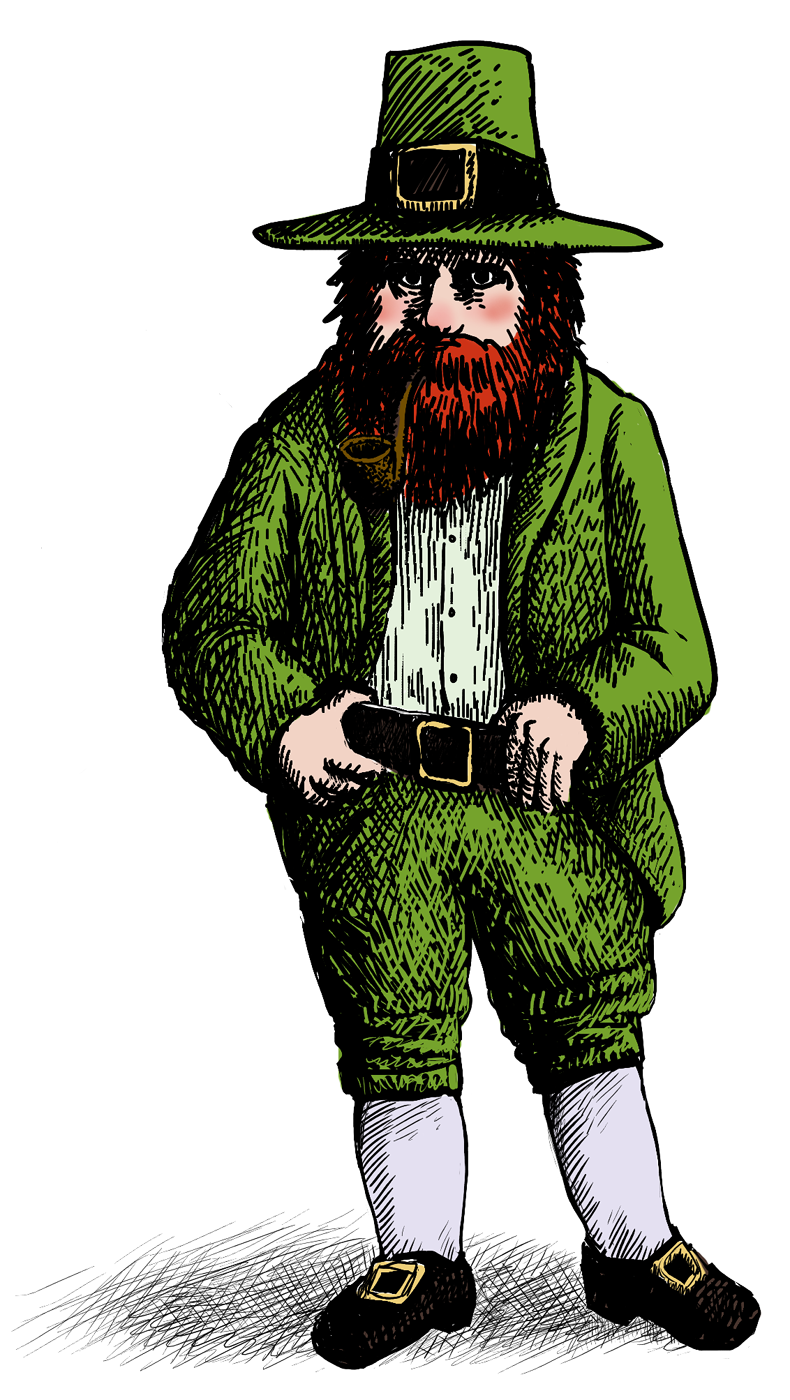

Characteristics and behavior
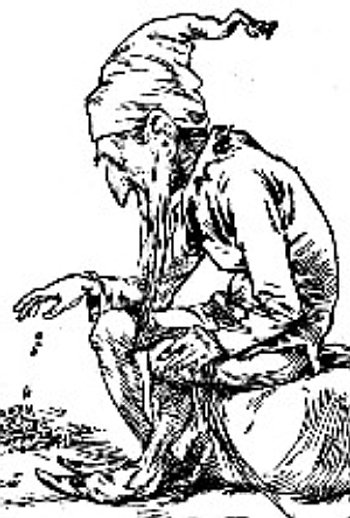
Popular descriptions emphasize a bearded, diminutive man who is independent rather than communal. He is commonly portrayed as a cobbler or shoemaker and is associated with hidden wealth — a pot of gold said to be buried at the end of a rainbow. Leprechauns are tricksters: clever, sometimes mischievous, and more inclined to outwit humans than to engage in grand heroic action. They are often linked in appearance and habit to other fairy types and are described in many local tales as preferring quiet places such as hills, mounds, or isolated fields.
Origins and historical development
Scholars treat the leprechaun as a relatively late development within Irish fairy lore rather than a feature of early mythic cycles. As a named folk type, the leprechaun appears in post-medieval sources and was further shaped by 18th- and 19th-century collectors and storytellers. Their connection to the landscape of Ireland and to older traditions about the Aos Sí or other supernatural inhabitants is clear, but exact origins remain a matter of interpretation in studies of folklore and cultural history.
Stories, motifs and modern use
Common motifs include capture and bargaining: a person who seizes a leprechaun may force him to reveal the location of buried treasure or to grant wishes, but the captive often loses the advantage through distraction or deception. The leprechaun’s association with treasures and rainbows has made the figure a staple of popular culture, appearing in literature, holiday imagery, film, and advertising. Modern portrayals tend to simplify or commercialize the creature, turning complex local tales into recognizable symbols used especially around St. Patrick’s Day.
Distinctions and notable facts
- Different from other Irish supernatural figures such as the sorrowful banshee or the shape-changing pooka; closer in type to solitary fairies and household tricksters.
- Often depicted as a shoemaker in folktales, a detail that links the leprechaun to craft and thrift rather than to battle or kingship.
- Folktales emphasize cunning and escape; if the observer looks away, the leprechaun is said to vanish or slip from control — a recurring legend motif.
For further reading and comparative material about Irish fairy types and their role in cultural memory, see general accounts of fairy traditions as well as localized studies of regional appearance and tale-variants (appearance and descriptions).
Questions and answers
Q: What is a leprechaun?
A: A leprechaun is a type of male fairy from Irish mythology and folklore, who are said to live in Ireland and are known for causing trouble.
Q: What do leprechauns usually look like?
A: They usually take the form of old men.
Q: Are leprechauns wealthy?
A: Yes, they are said to be very rich and have many treasure crocks buried during war-time.
Q: What happens if someone looks at a leprechaun?
A: Legend says that if someone looks at a leprechaun, the leprechaun cannot escape, but if the person looks away, he disappears.
Q: Are leprechauns real?
A: Leprechauns are not real, but they are part of Irish mythology and folklore.
Q: Are leprechauns the only type of fairy in Irish mythology?
A: No, leprechauns are one class of fairy folk in Irish mythology and folklore.
Q: What group of fairies are leprechauns associated with in Irish mythology?
A: Leprechauns, like all fairies, are associated with the Tuatha Dé Danann in Irish mythology.
Related articles
Author
AlegsaOnline.com Leprechaun: Irish fairy of folklore and popular culture Leandro Alegsa
URL: https://en.alegsaonline.com/art/57275