
Lenny Bruce: Comedian, Censorship Cases, and Free Speech Legacy
Lenny Bruce (1925–1966) was an influential American stand-up who pushed social boundaries, faced repeated obscenity prosecutions, and became a symbol in debates over free speech and the role of comedy.

Overview: Leonard Alfred Schneider, known professionally as Lenny Bruce, was an American stand-up comedian and satirist whose performances in the 1950s and 1960s challenged social norms and censorship. He used candid language and topical material to examine religion, race, sex and political authority, reshaping expectations about what comedy could address. His career and repeated legal troubles made him a prominent figure in discussions about the First Amendment and popular culture.
Image gallery
6 Images

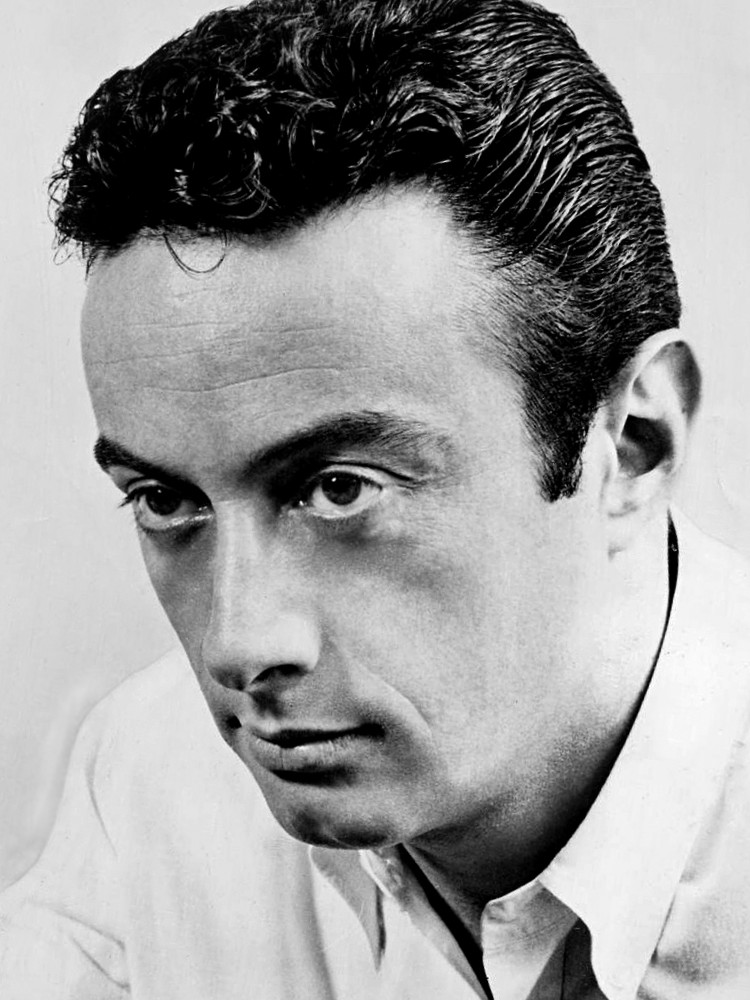


Style and themes
Bruce combined improvisation, social critique and a conversational delivery that felt personal and confrontational. Rather than relying on one-liners, his routines often unfolded as extended monologues that mixed observational humor with explicit language and sharp criticisms of institutions. Key characteristics of his work included:
- an irreverent approach to religion and authority;
- open discussion of sexuality and taboo topics;
- an improvisational tone that broke the fourth wall between performer and audience;
- a commitment to testing the limits of acceptable speech in public entertainment.
Legal battles and public controversy
Because his material frequently offended conservative sensibilities of the time, Bruce faced multiple arrests and prosecutions on obscenity charges in several U.S. cities. Those cases turned his stage acts into courtroom drama and made him a lightning rod for debates about censorship, policing of public morality and the legal protection of provocative expression. Supporters viewed his struggles as a defense of civil liberties, while critics accused him of needlessly provocative vulgarity. For broader context on his life and career see biographical summaries and writings about his performance style.
Historical context and influence
Bruce performed at a time of changing social norms in the postwar United States. The cultural shifts of the 1960s—from political dissent to challenges against traditional morality—helped shape how audiences and courts reacted to his work. Later comedians and social critics have cited him as a model for frankness and social engagement; names commonly mentioned in that lineage include stand-up innovators who expanded the limits of subject matter and language in public performance and in the broader tradition of modern stand-up.
Legacy and notable facts
Bruce's impact extends beyond comedy. He is often invoked in discussions of free speech and artistic license, with legal scholars and civil libertarians pointing to his prosecutions as important episodes in First Amendment history. Some notable facts associated with him include:
- His professional name was Lenny Bruce; he was born Leonard Alfred Schneider.
- He appears among the cultural figures chosen for the iconic Sgt. Pepper album cover created by The Beatles, a marker of his cultural visibility.
- He died of an accidental drug overdose involving morphine while legal proceedings were still pending.
- Several of his convictions were later reviewed or set aside by higher courts, a development often referenced in discussions of censorship and the law; scholars and court records provide more detail at First Amendment resources.
For those interested in studying Bruce's work and its aftereffects, primary recordings, court documents and contemporary commentary illuminate how a single performer could provoke long-running debates about comedy, decency and constitutional rights. Additional reading and archival material can be found through general overviews of his life and the history of American comedy available at biographical sources and specialized studies of the comedic arts.
Questions and answers
Q: Who was Lenny Bruce?
A: Lenny Bruce was an American comedian whose real name was Leonard Alfred Schneider.
Q: What is he known for?
A: He is known for being an innovator of modern stand-up comedy and changing the way many people view comedians. His jokes and routines were very improper and off limits for the time, which got him in a lot of trouble. He is also considered a hero for defending First Amendment rights in the United States, particularly freedom of speech.
Q: How did he appear on The Beatles' Sgt. Pepper's Lonely Hearts Club Band album?
A: He appeared on the cover of The Beatles' Sgt. Pepper's Lonely Hearts Club Band album.
Q: How did Lenny Bruce die?
A: He died in 1966 from an accidental morphine overdose while on trial.
Q: What happened to him after his death?
A: In 1970, New York's highest court of appeals decided that he was "not guilty" for using bad words.
Related articles
Author
AlegsaOnline.com Lenny Bruce: Comedian, Censorship Cases, and Free Speech Legacy Leandro Alegsa
URL: https://en.alegsaonline.com/art/57151