
Armenian Highlands: geography, geology, history and cultural significance
High volcanic plateau in the South Caucasus and eastern Anatolia. Covers terrain, geology, cultures, apricot origin, theories of Indo-European origins, and its role in regional history and ecology.
Overview
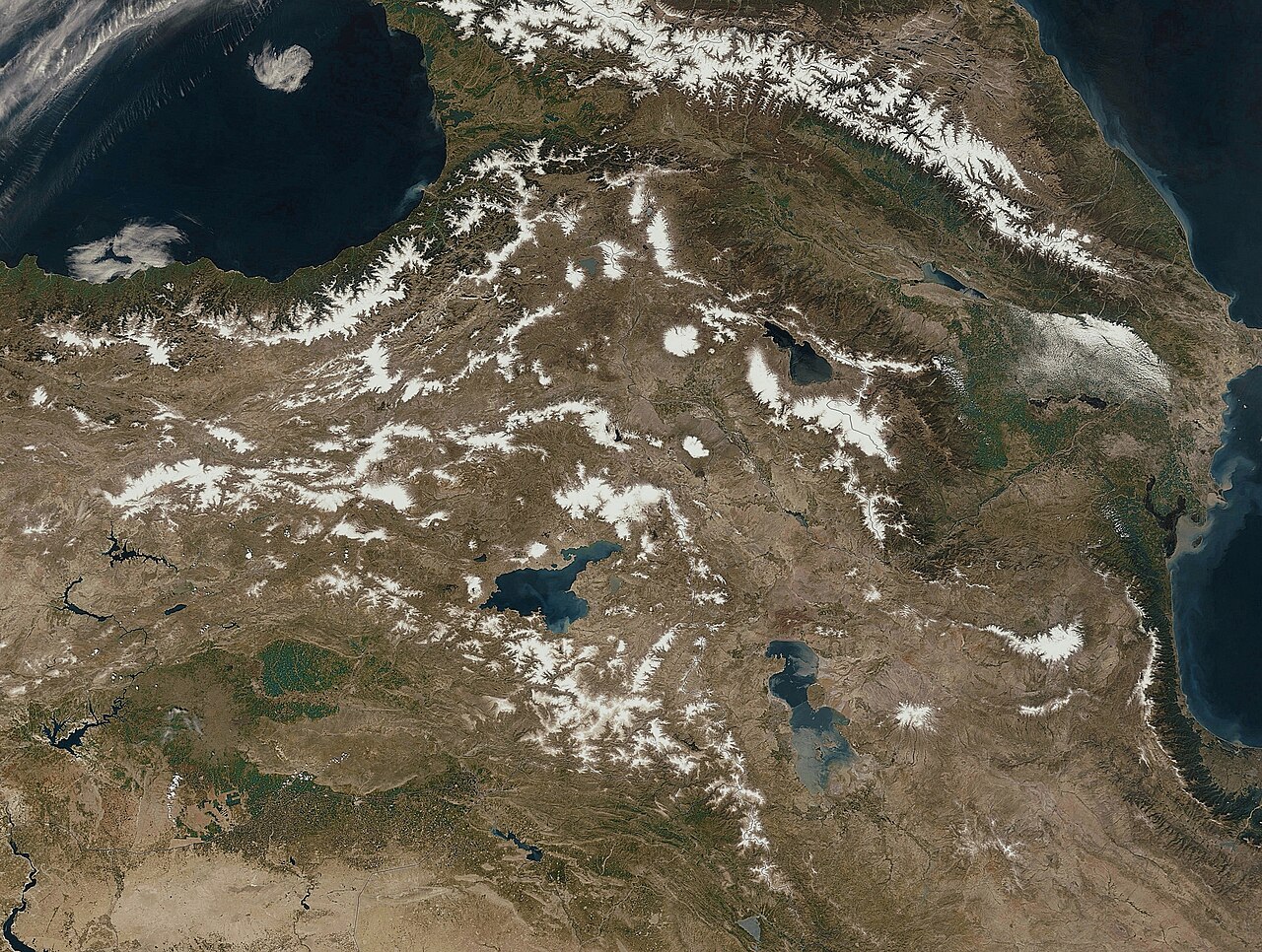
The Armenian Highlands, also called the Armenian Upland or Armenian Plateau, is a high, volcanic-dominated plateau at the crossroads of the South Caucasus, Anatolia and northwestern Iran. It forms a prominent continuation of the Transcaucasian highlands and is often identified with the historical region referred to as eastern Armenia. The highland rises from surrounding plains to elevations commonly between 1,200 and 3,500 metres and includes both rugged mountain ranges and intermontane basins. See regional context via Transcaucasian/Armenian highlands.
Image gallery
10 Images




Geography and geology
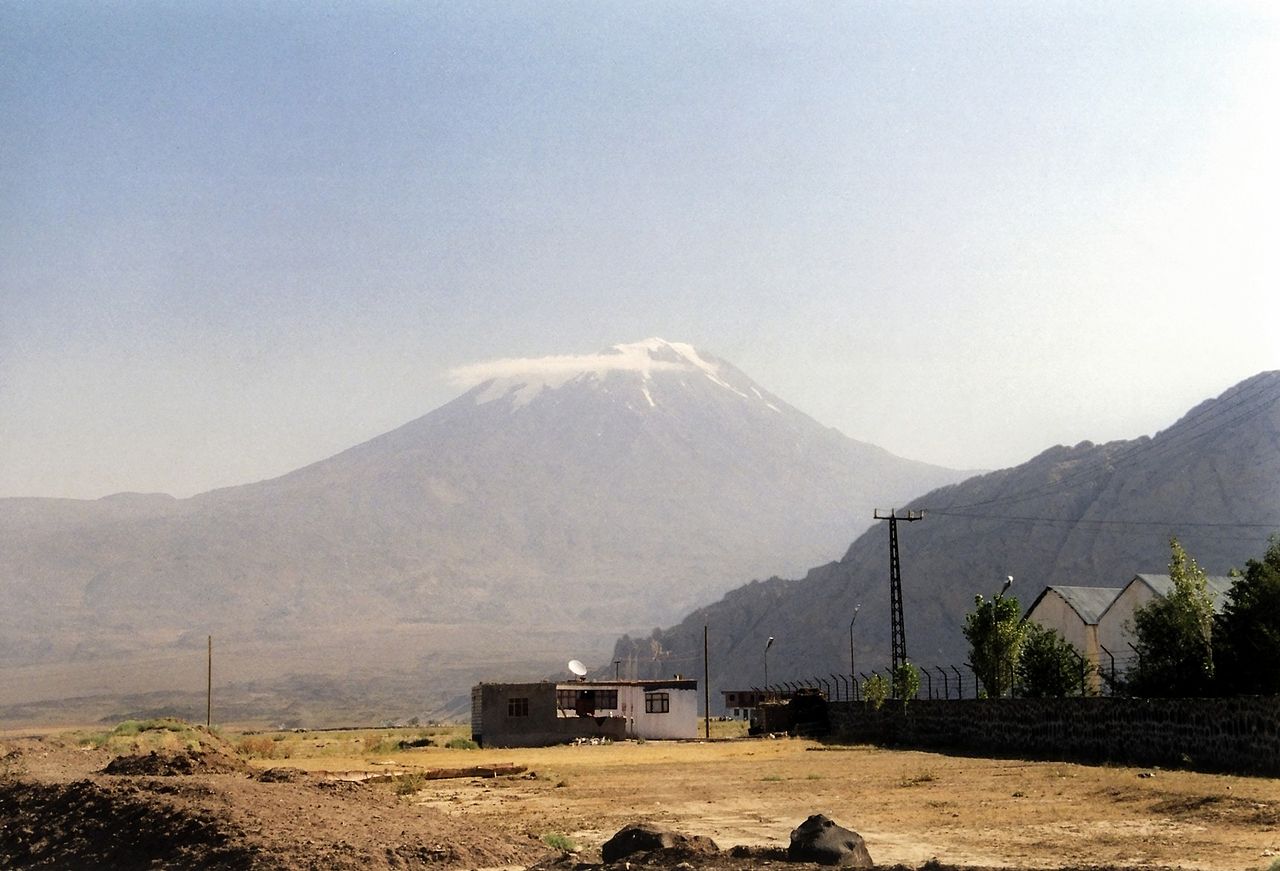
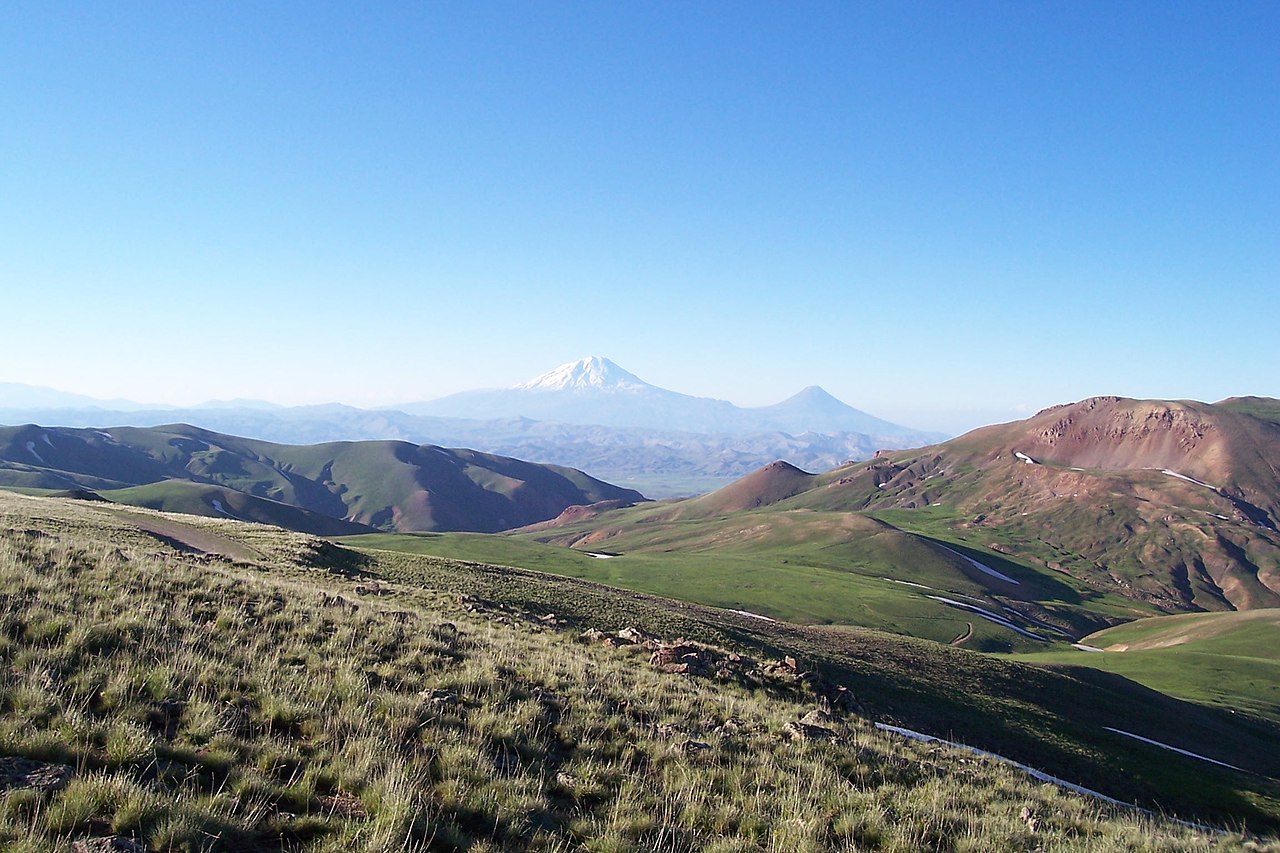
The region is geologically active: volcanic plateaus, stratovolcanoes and fault-bounded ranges are common. Prominent peaks and volcanic cones dominate the skyline; many river headwaters originate here, including tributaries that feed the Aras and the upper reaches of the Euphrates and Tigris. Soils and climate vary from alpine meadows to continental steppe, creating varied habitats. The plateau’s volcanic soils have long supported agriculture despite a generally continental climate with cold winters and warm summers.
History and peoples
The Armenian Highlands has been populated since prehistoric times and was a crossroads for Bronze and Iron Age cultures such as Kura-Araxes and later kingdoms including Urartu and successive Armenian polities. Some ancient inscriptions from Mesopotamia have been interpreted by scholars as referring to peoples of the highlands; for example, certain Akkadian texts are read by some researchers as early mentions of local groups and deities, a link that remains debated in scholarship (Akkadian sources). The area was also a transit zone for crops, peoples and ideas between Anatolia, the Caucasus and the Iranian plateau.
Culture, agriculture and notable associations
The highlands have long been associated with particular crops and cultural symbols. A well-known example is the apricot: though domestication began in East Asia, the fruit became strongly associated with the Armenian area in antiquity and was widely known in the ancient world as the "Armenian" fruit. Its botanical name, Prunus armeniaca, reflects that historical association, and some etymological accounts link regional vernaculars preserved in Near Eastern languages to the fruit’s name (apricot and its history).
Language, origins and scholarly debates
The Armenian Highlands is central to several proposals about the origins of Indo-European languages. Some linguists and archaeologists place an Indo-European homeland in or near the highlands and the adjacent Anatolian plateau; others favor alternatives such as a steppe origin in Eastern Europe or areas of southern Russia. These competing hypotheses remain active areas of research and are presented in comparative overviews of prehistoric linguistics and archaeology (Indo-European homeland debates, Eastern Europe theory, southern Russia model).
Importance and distinguishing features
- Strategic crossroads: links Anatolia, the Caucasus and the Iranian plateau.
- Hydrological source: origin for several major rivers of the Near East.
- Cultural landscape: long history of sedentary agriculture, early states and rich archaeological record.
- Biodiversity and crops: varied habitats and a role in the dissemination of fruit trees such as the apricot.
Today the Armenian Highlands fall within several modern states and remain important for understanding regional history, prehistoric migrations and the environmental settings that shaped ancient societies.
Questions and answers
Q: What is the Armenian Highland?
A: The Armenian Highland is a part of the Transcaucasian Highland and constitutes the continuation of the Caucasus mountains, also referred to as eastern Armenia.
Q: What is the origin of the apricot, and how did it spread?
A: The apricot is native to China and spread to Europe through the Armenia Highlands. It came to be known throughout the ancient world as the Armenian fruit.
Q: What is the botanical name for apricot, and what is its origin?
A: The botanical name for apricot is Prunus armeniaca, which derives from the Latin vernacular for apricot, armeniacum, and is linked to its Akkadian name armanu.
Q: Where do some scholars believe the Indo-European homeland is located?
A: Some scholars believe that the Indo-European homeland is located in the Armenian Highlands and the plateau of Asia Minor to the southwest.
Q: Where do other scholars believe the Indo-European homeland is located?
A: Some scholars believe that the Indo-European homeland is located in Eastern Europe or southern Russia.
Q: What is the earliest mention of the Armenians, and where can it be found?
A: Some scholars believe that the earliest mention of the Armenians is in the Akkadian inscriptions dating to the 28th-27th centuries BC, in which the Armenians are referred to as the sons of Haya, after the regional god of the Armenian Highlands.
Q: What is another name for the Armenian Highland?
A: The Armenian Highland is also known as the Armenian Upland or Armenian Plateau.
Related articles
Author
AlegsaOnline.com Armenian Highlands: geography, geology, history and cultural significance Leandro Alegsa
URL: https://en.alegsaonline.com/art/5708