
Lefkada — town and capital of the island of Lefkada
Lefkada is the principal town and administrative centre of the Greek island of Lefkada. Situated where the island meets the mainland, it is a historic port, transport hub and gateway for visitors.
Overview
Lefkada is the main town and administrative centre on the island of Lefkada in the Ionian Sea. It functions as the island's commercial and cultural hub and is the first settlement most visitors encounter when arriving by road from the mainland. According to official figures cited in earlier sources, the town had roughly eleven thousand residents at the start of the 21st century; more recent counts vary with seasonal population changes and tourism.
Image gallery
7 Images

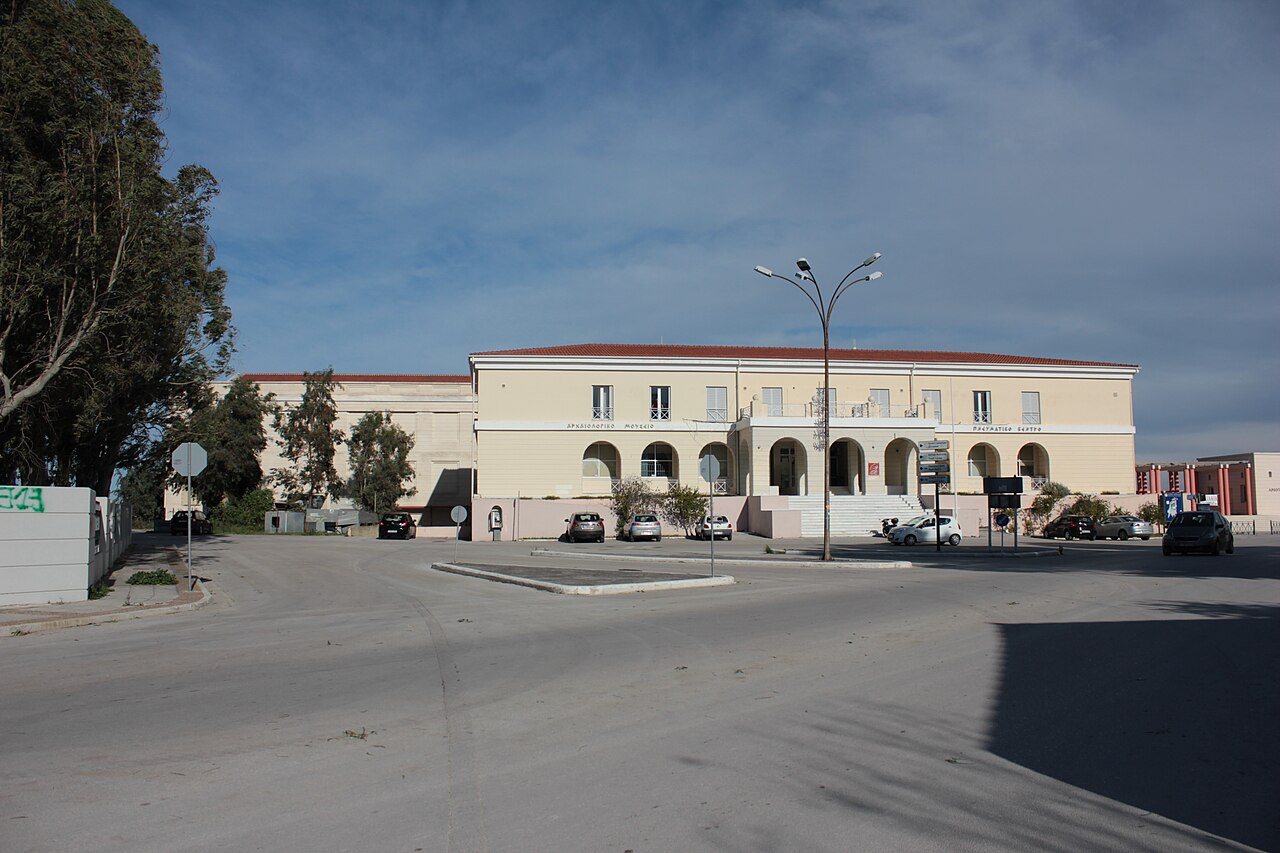


Location and geography
The town lies at the northern end of the island close to a narrow land connection to the mainland. A short causeway and movable bridge link the island to continental Greece, so Lefkada is more readily reached by road than most other Greek islands. The town faces a small harbour and marina and is surrounded by low hills and coastal plains that open onto the sea and nearby beaches.
History and built environment
Lefkada town reflects a layered history typical of the Ionian islands, with medieval and early modern influences visible in its fortifications, narrow streets and waterfront buildings. Historic defensive works and later rebuilding have shaped the town centre. Because the region is seismically active, local construction practices after major earthquakes have often emphasized flexible or reinforced techniques to improve safety and resilience.
Economy and tourism
The economy of Lefkada town is centred on administration, commerce, services and tourism. The harbour and marina support fishing, small-scale shipping and recreational boating, while restaurants, shops and accommodation cater to visitors exploring the island's beaches, cultural sites and countryside. Lefkada is commonly used as the gateway to the island's resorts and natural attractions.
Transport and access
- Road: a short isthmus and bridge connect the island to the mainland and make Lefkada easily reachable by car and bus; see the town's connection at the isthmus and the nearby approach to continental Greece.
- Sea: Lefkada's harbour accommodates local ferries, private yachts and fishing boats and serves as a local maritime hub.
Notable facts and further reading
Lefkada is often the first port of call for visitors arriving from the mainland and has long been shaped by its position on the coast and its geological setting. The town's demographic history is recorded in past censuses (for example the 2001 census), and its location in an earthquake-prone area is discussed in geological and civil-engineering sources (see general notes on seismic activity). For general information about the island as a whole, consult overviews linked from the island page at Lefkada island.
Questions and answers
Q: What is Lefkada City?
A: Lefkada City is a Greek town which is the capital of the Greek island Lefkada.
Q: How many people lived in Lefkada City as of the 2001 census?
A: According to the 2001 census, the population of Lefkada City was 10,875 people.
Q: Where is Lefkada City located on the island of Lefkada?
A: Lefkada City is located in the north of the island Lefkada.
Q: What is located in the narrow isthmus that separates Lefkada from continental Greece?
A: Lefkada City is located in the narrow isthmus which separates Lefkada from continental Greece.
Q: What is the significance of Lefkada City when visiting the island of Lefkada from continental Greece?
A: Lefkada City is the first place visitors see when going to the island of Lefkada from continental Greece.
Q: Why are the houses in Lefkada City built by wood and metal?
A: Lefkada has many earthquakes, so its houses are built by wood and metal.
Q: What is the population of Lefkada City in current times?
A: The current population of Lefkada City is not provided in the text.
Related articles
Author
AlegsaOnline.com Lefkada — town and capital of the island of Lefkada Leandro Alegsa
URL: https://en.alegsaonline.com/art/56946
Sources
- earthquakes24.com : "Earthquakes in Lefkada in Real Time"