
Led Zeppelin II — 1969 album by Led Zeppelin
Second studio album by the English rock band Led Zeppelin, released October 1969. Known for 'Whole Lotta Love', blues roots, studio experimentation and influence on hard rock and heavy metal.
Overview
Led Zeppelin II is the band's second studio album, released in October 1969. Recorded while the group was touring, the record captured a raw, urgent sound that built on the blues-rock approach of their debut and pushed toward heavier, denser arrangements. The album includes the landmark single "Whole Lotta Love", a concise hard-rock anthem whose guitar riff and sonic textures helped define late-1960s rock.
Image gallery
3 Images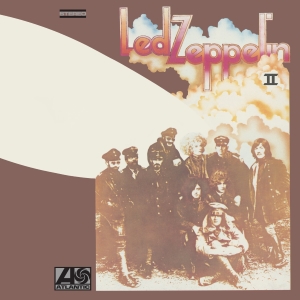


Recording and production
The album was finished in a patchwork of sessions at several studios during 1969, reflecting the band's constant touring schedule and quick creative pace. Jimmy Page acted as producer and used the studio as an instrument, experimenting with overdubs, close-miking, and tape techniques. Engineer Eddie Kramer collaborated on parts of the record to shape its punchy sound and unusual effects; on tracks such as "Whole Lotta Love" the production included reverse echo and other tape-based tricks to create novel textures. For listeners, these choices gave the record a more immediate and aggressive feel than many contemporaneous releases.
Music, themes and standout tracks
Musically the album mixes hard rock, electric blues, folk-tinged passages and a few quieter, melodic moments. Alongside the heavy opener, the record contains extended blues interpretations, acoustic-leaning songs and instrumental showcases. Notable songs include the riff-driven "Whole Lotta Love", the guitar-driven instrumental solo "Moby Dick", and the more melodic, romantic "Thank You". Several tracks draw explicitly on traditional blues forms and riffs, which contributed both to the album's feel and, in some cases, later credit disputes over sources.
Track highlights
- Whole Lotta Love — a concise, riff-centered single that became emblematic of the band's power.
- The Lemon Song — a heavy blues adaptation with extended improvisation.
- Ramble On — blends acoustic passages with electric rock and narrative lyrics.
- Moby Dick — features an extended drum solo and percussive display.
Reception and legacy
Upon release the album quickly established Led Zeppelin as a major commercial and creative force. It charted highly in multiple countries and brought the band wide radio play and stadium audiences. In retrospect, Led Zeppelin II is often cited as a formative record for hard rock and early heavy metal: its emphasis on powerful riffs, dynamic contrasts and studio experimentation influenced countless bands that followed. The album's energetic combination of blues roots and amplified intensity remains a touchstone for musicians and critics.
Notable facts and context
Led Zeppelin II was completed in a unusually compressed timeframe and reflects the band's road-honed chemistry. Production innovations and the prominence of guitar riffs are frequently highlighted as defining elements. The record also illustrates the era's relationship between rock and the blues: several songs reinterpret older material, which in later years led to discussions and legal claims over songwriting credits. For further reading, see resources on the band's work and recording techniques: band overview, album background, release details, 1969 context, recording studios, blues influences, famous riff, studio effects.
Questions and answers
Q: When was Led Zeppelin II released?
A: Led Zeppelin II was released on October 22, 1969.
Q: Where was Led Zeppelin II recorded?
A: Led Zeppelin II was recorded in many different studios in 1969.
Q: How does Led Zeppelin II compare to the first album?
A: Led Zeppelin II sounds a lot like the first album with a few hard rock songs and blues covers, but they also did some new things with the love song "Thank You" and the drum solo "Moby Dick".
Q: What is the most famous song from Led Zeppelin II?
A: The most famous song from Led Zeppelin II is "Whole Lotta Love".
Q: What was the contribution of Jimmy Page to Led Zeppelin II?
A: Guitarist and producer Jimmy Page worked with engineer Eddie Kramer to create many unusual sounds.
Q: What is the technique used in "Whole Lotta Love" to create unusual sounds?
A: They used a technique known as backward echoing to create unusual sounds in "Whole Lotta Love".
Q: What are some of the highlights of Led Zeppelin II?
A: Some of the highlights of Led Zeppelin II include the hard rock songs and blues covers, the love song "Thank You", the drum solo "Moby Dick", and the iconic riff of "Whole Lotta Love".
Related articles
Author
AlegsaOnline.com Led Zeppelin II — 1969 album by Led Zeppelin Leandro Alegsa
URL: https://en.alegsaonline.com/art/56865
Sources
- led-zeppelin.org : Jimmy Page's recording techniques