
Acacia baileyana (Cootamundra wattle): description, origin, uses and impacts
Acacia baileyana, the Cootamundra wattle, is a fast-growing Australian shrub or small tree valued for bright yellow flowers and shelter, but it can naturalize and become invasive outside its native range.
Acacia baileyana, commonly called the Cootamundra wattle, is a small, fast-growing Australian shrub or tree prized for its dense sprays of golden flowerheads and silvery foliage. It belongs to the legume family Fabaceae and is one of the many wattles that form a distinctive component of Australian vegetation. The species name honors the botanist Frederick Manson Bailey, who worked extensively on Australian plants.
Image gallery
10 Images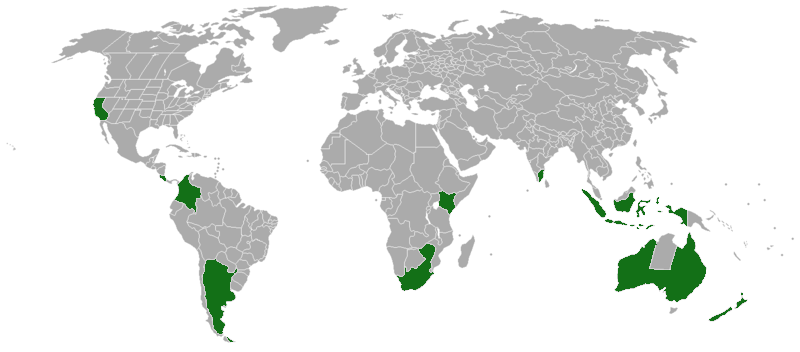




Identification and characteristics
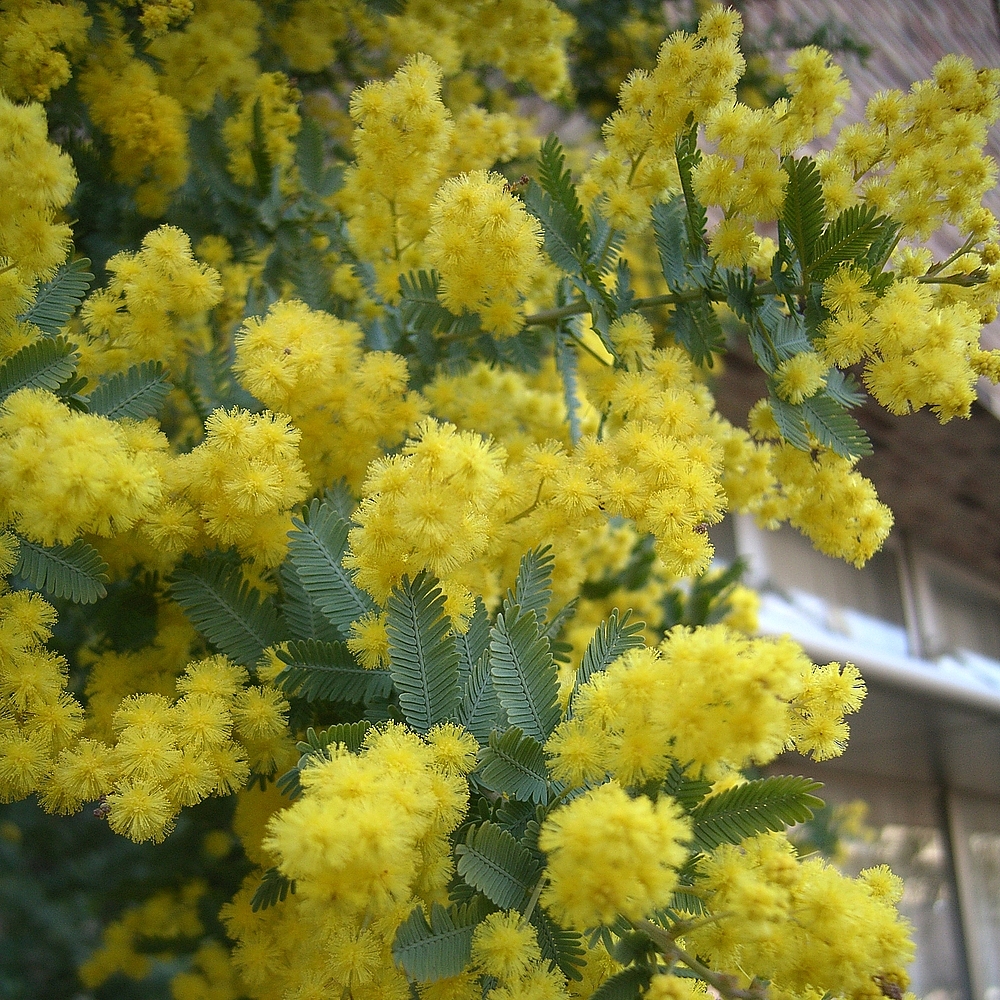
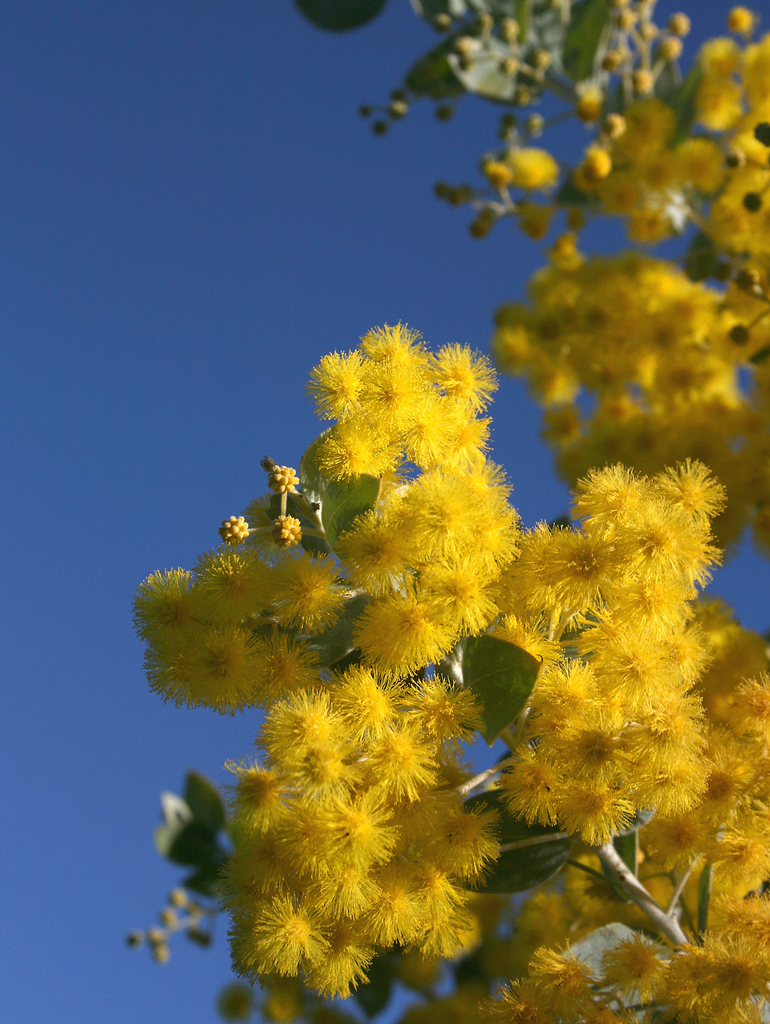
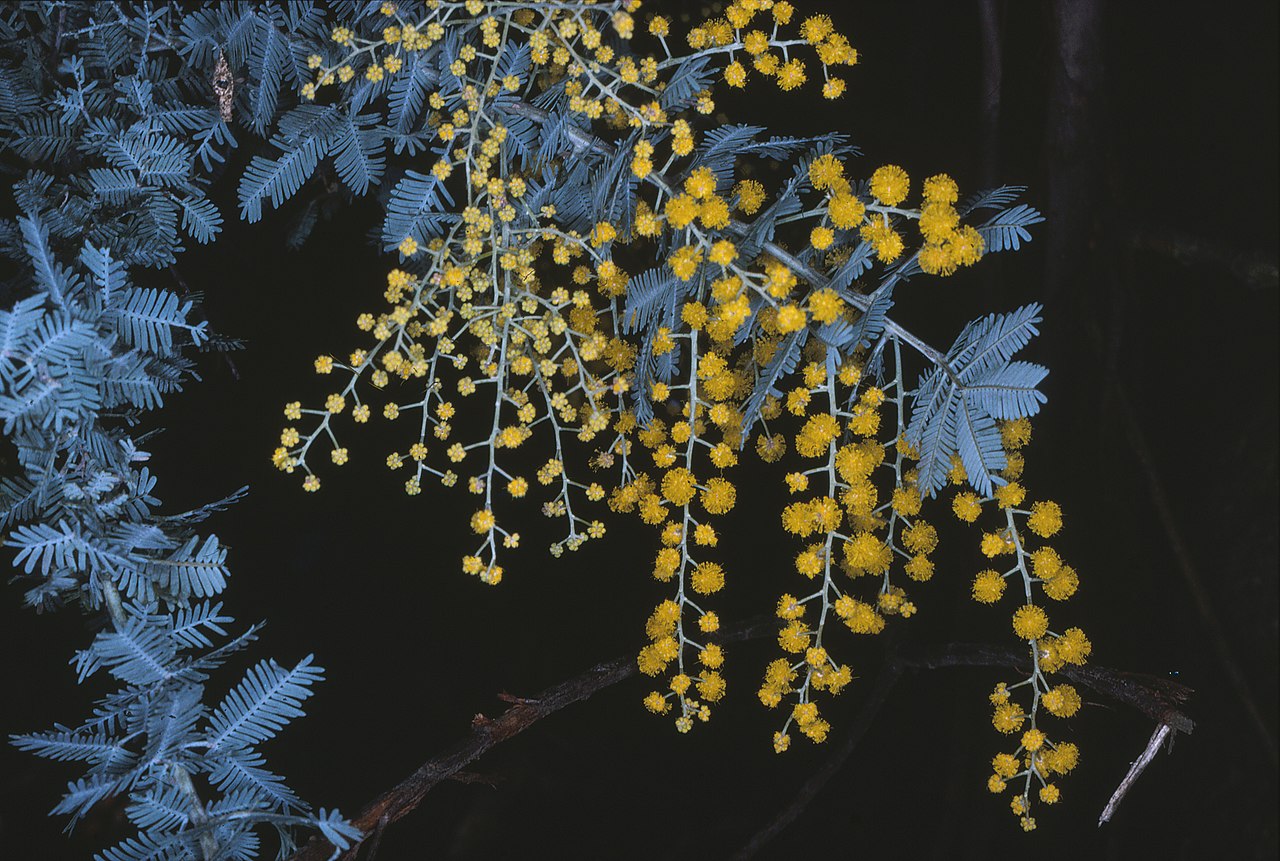
Acacia baileyana typically appears as a multi-stemmed shrub or small tree with soft, finely divided, grey-green foliage that gives a feathery, silvery effect. In late winter to early spring it produces profuse small, bright yellow flowers arranged in spherical heads. Like many acacias, these flowers are notable because only the prominent stamens are conspicuous, forming the fluffy appearance that is familiar in wattle blooms. Flowerheads occur singly or in clusters along the stems; they are round to shortly cylindrical and attract pollinators such as bees.
Native range and spread
The species originated in a restricted area of southern New South Wales, around the town of Cootamundra, but has been widely planted across Australia and abroad for ornament and screening. Acacia baileyana is one of nearly a thousand Acacia species in Australia. Because it establishes quickly from seed and tolerates a range of soils and climates, it has naturalized outside its original range; in parts of Victoria and other regions it is regarded as a weed where it competes with local native plants.
Uses and cultivation
Gardeners value Cootamundra wattle for rapid growth, decorative foliage and abundant early-season flowers. It is used as a specimen tree, informal screen, windbreak and for soil stabilization. Cut stems with flowerheads are popular in floristry. Like other legumes, it can improve soil nitrogen through root-associated bacteria, making it useful in revegetation projects. A number of cultivated forms exist, including compact and purple-leaf varieties favored in ornamental horticulture.
Ecology, management and notable issues
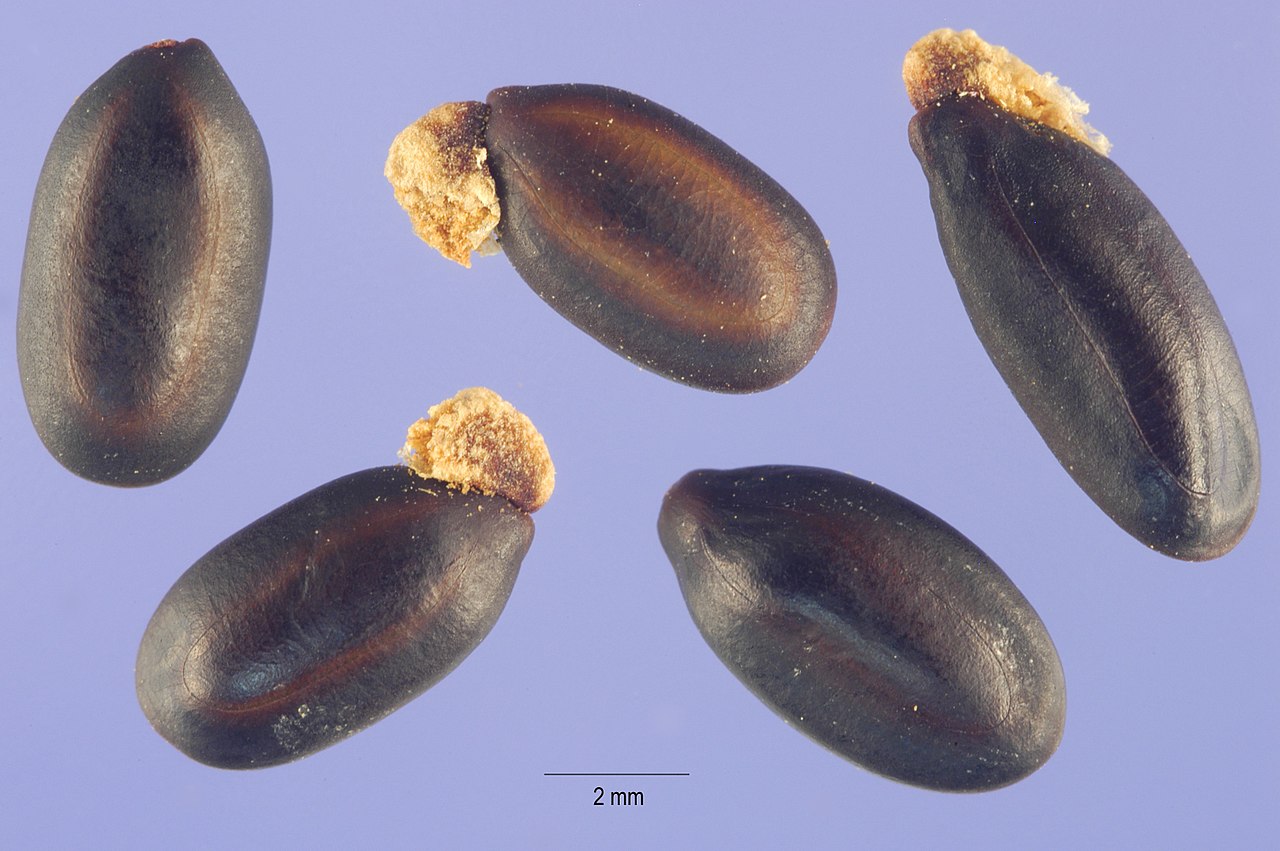
Acacia baileyana regenerates readily from seed. Its seeds have hard coats that persist in soil seedbanks and germination is often encouraged by disturbance, including fire. While beneficial for quick revegetation, this biology contributes to its ability to naturalize and hybridize with other wattles in some areas, altering local plant communities. Management where it is unwanted relies on preventing seeding, hand-pulling seedlings, and herbicide or mechanical control for larger plants. Its flowers are important for early-season nectar and pollen for insects and beekeeping.
Relations and wider context
Wattles share common floral features: cream to golden coloured flowers assembled in spherical or cylindrical flower clusters, and many species are cultivated beyond Australia, including in New Zealand. As an introduced ornamental in various regions, Acacia baileyana illustrates the trade-off between horticultural value and invasive potential. For further horticultural guidance and regional management advice consult local plant or weed authorities and resources linked below.
- See horticultural descriptions and care: shrub info, tree form.
- Taxonomic and botanical background: Fabaceae family notes; Bailey biography.
- Distribution and conservation status in Australia and introductions overseas: Acacia species overview, original range, regional reports.
- Weed and management resources: weed guidance, seed and germination biology (flower structure, stamen details).
- Records of introduction and cultivation in other countries: New Zealand planting.
Questions and answers
Q: What is the Cootamundra Wattle?
A: The Cootamundra Wattle is an Australian shrub or tree in the Family Fabaceae.
Q: Who is Frederick Manson Bailey?
A: Frederick Manson Bailey is the botanist that the Cootamundra Wattle's Latin name, Acacia baileyana, is named after.
Q: How many species of Acacia are found in Australia?
A: There are nearly 1000 species of Acacia found in Australia.
Q: Where did the Cootamundra Wattle originally come from?
A: The Cootamundra Wattle originally came from a small area in southern New South Wales near Cootamundra.
Q: Has the Cootamundra Wattle been widely planted in Australia?
A: Yes, the Cootamundra Wattle has been widely planted all over Australia.
Q: Is the Cootamundra Wattle becoming a weed in some areas?
A: Yes, in many areas of Victoria, the Cootamundra Wattle has become a weed, taking over from acacias that were only found in Victoria.
Q: Have many wattles been planted in New Zealand?
A: Yes, many wattles have been planted in New Zealand.
Related articles
Author
AlegsaOnline.com Acacia baileyana (Cootamundra wattle): description, origin, uses and impacts Leandro Alegsa
URL: https://en.alegsaonline.com/art/566
Sources
- anbg.gov.au : "Acacia baileyana"
- ildis.org : "Acacia baileyana"
- worldwidewattle.com : World Wide Wattle