
Law of the United States: sources, structure, and practical scope
A concise, organized overview of U.S. law: its main sources, federal–state relationship, historical roots, everyday areas of practice, and distinctive features of the American legal system.
Overview
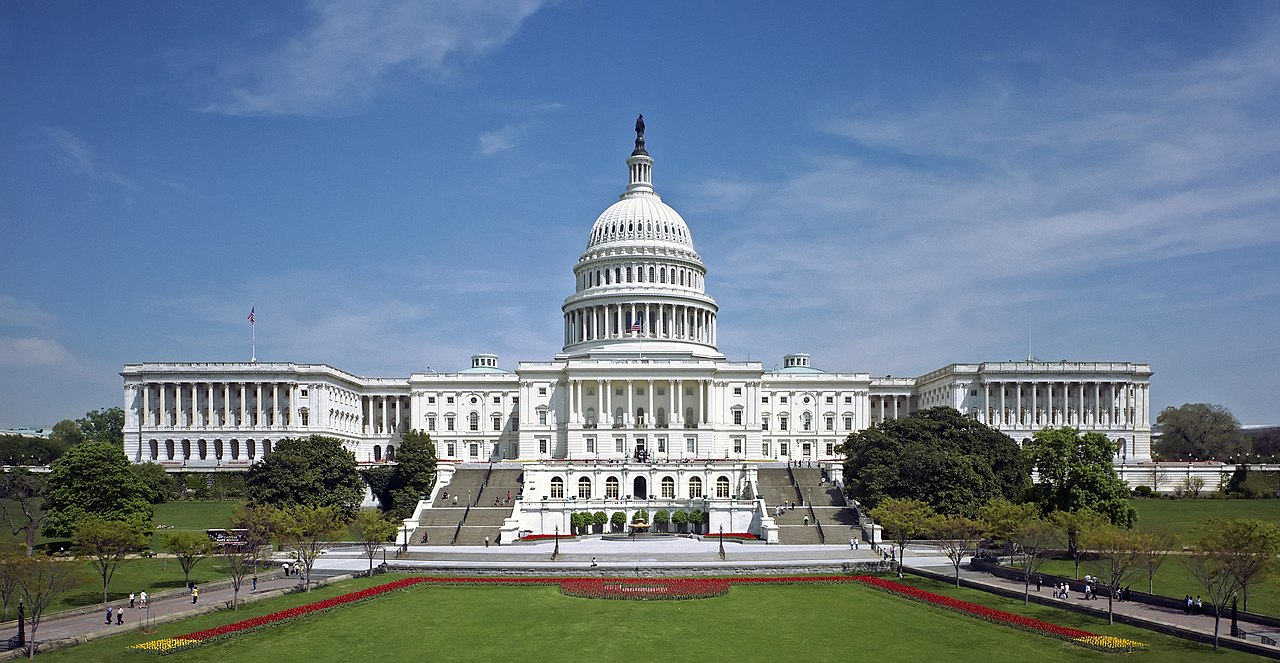
The law of the United States is a layered system that combines written and unwritten rules to govern public institutions and private behavior. At the highest level is the national constitution, which establishes the framework for the federal government and delimits the powers it may exercise. Federal law operates alongside the laws of each of the states, creating a dual structure in which citizens encounter both national and local legal rules.
Image gallery
10 Images





Primary sources and structure
U.S. law draws on several recognized sources. These include:
- Constitutional law: the written United States Constitution and state constitutions, which set fundamental limits and rights.
- Statutes: laws enacted by legislatures. At the federal level these appear in the United States Code and are created through acts of Congress (statutes).
- Treaties and international agreements: with consent of the Senate, treaties become part of federal law (treaties).
- Regulations: rules issued by executive branch agencies to implement statutes and policy.
- Case law: judicial decisions that interpret statutes, constitutions, and regulations; often called case law or precedent.
- Custom and unwritten practice: older, uncodified norms or usages that may continue to influence outcomes.
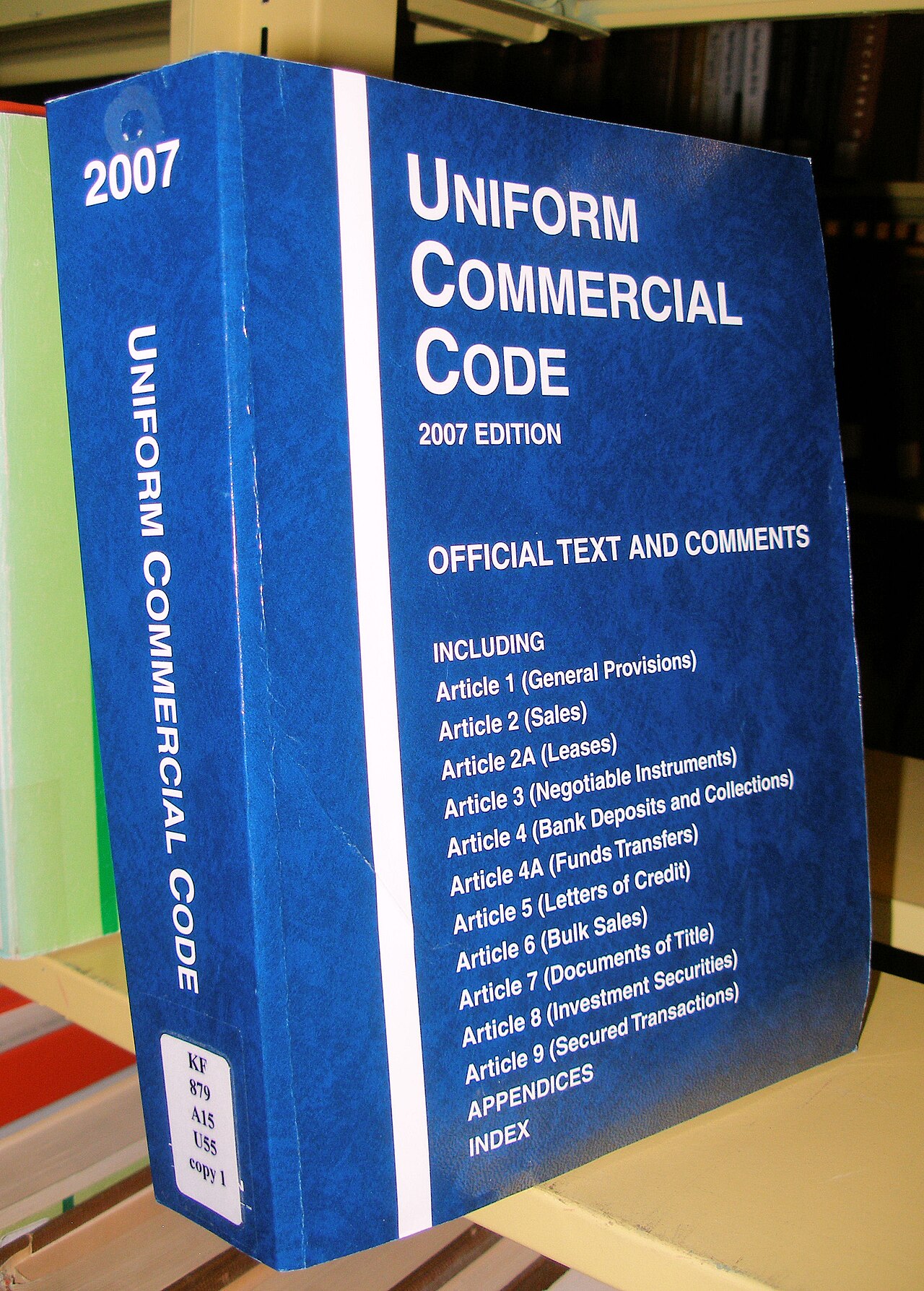
Many of these sources are recorded in codified form (codification), though not all legal rules are fully codified or uniform across jurisdictions.
Federalism: division of authority
The American system relies on a balance between national and state power. The federal government has only the authority granted by the Constitution; states retain broad, plenary powers unless preempted by valid federal law. This federalism means that routine legal matters—family relations, property, most criminal prosecutions, and many contracts—are governed primarily by state law, which can vary significantly from one jurisdiction to another.
Historical roots and legal traditions
Contemporary U.S. law grew out of the English common law tradition that was in place at the time of the Revolutionary War. Over time, American courts and legislatures adapted those roots, developing distinctive doctrines and procedures. While common-law reasoning remains influential (English common law heritage), the U.S. system also incorporates civil-law concepts in some areas and relies heavily on statutory and regulatory law.
Everyday areas of law and examples
Most people interact with the legal system through state-regulated fields. Examples include contract law, which governs agreements between parties; tort law, which addresses civil injuries; property law, which regulates ownership and use of land and goods; and criminal law, which defines offenses and penalties. Family law, probate, landlord-tenant matters, and local administrative rules also shape daily legal experience.
Distinctive features and practical importance
Notable characteristics of U.S. law include the supremacy of the Constitution, judicial review of governmental acts, and the interplay between federal statutes and state ordinances. Courts interpret both written texts and precedents, producing a body of case law that complements legislation. The resulting system aims to balance uniform national standards with local autonomy, producing variation across states but a shared institutional framework that governs public life and private relations.
For more detailed discussions and primary materials consult official codes, treatises, and judicial opinions as well as governmental resources and legal libraries (United States references and repositories).
Questions and answers
Q: What is the most important form of law in the United States?
A: The most important form of law in the United States is the United States Constitution.
Q: What does the U.S. Constitution set out?
A: The U.S. Constitution sets out the boundaries of federal law, which consists of acts of Congress, treaties ratified by the Senate, regulations promoted by the executive branch, and case law originating from the federal judiciary.
Q: How does federal law preempt conflicting state and territorial laws?
A: Federal law and treaties preempt conflicting state and territorial laws in the 50 U.S. states and in territories as long as they are in accordance with the Constitution.
Q: What type of system is American federalism?
A: American federalism is a dual-sovereign system where states are plenary sovereigns and possess only limited supreme authority given by the Constitution.
Q: What type of legal system does U.S Law largely base itself on?
A: U.S Law largely bases itself on a common law system derived from English Law that was in force at time of Revolutionary War but has changed both substantively and procedurally since then, incorporating ideas from civil law as well .
Q: How do states grant citizens broader rights than those granted by federal constitution?
A:States may grant their citizens broader rights than those granted by federal constitution so long as they do not infringe upon any federally constitutional rights .
Tags
Related articles
Author
AlegsaOnline.com Law of the United States: sources, structure, and practical scope Leandro Alegsa
URL: https://en.alegsaonline.com/art/56407