
Lateralization of Brain Function
Lateralization describes how the left and right cerebral hemispheres specialize in different cognitive and sensorimotor tasks while cooperating through interconnections.
Overview
Lateralization of brain function refers to the tendency for some neural processes and cognitive functions to be more strongly represented or more efficiently processed in one cerebral hemisphere than the other. Humans have two hemispheres—left and right—that are similar in gross structure but show reliable differences in their roles. Most everyday behaviors recruit networks distributed across both hemispheres, yet particular abilities often depend more on one side.
Image gallery
7 Images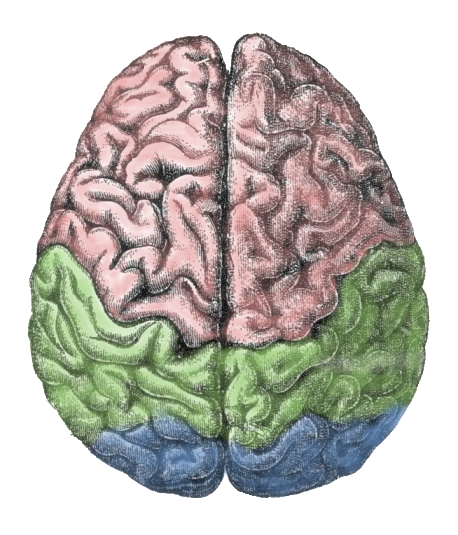

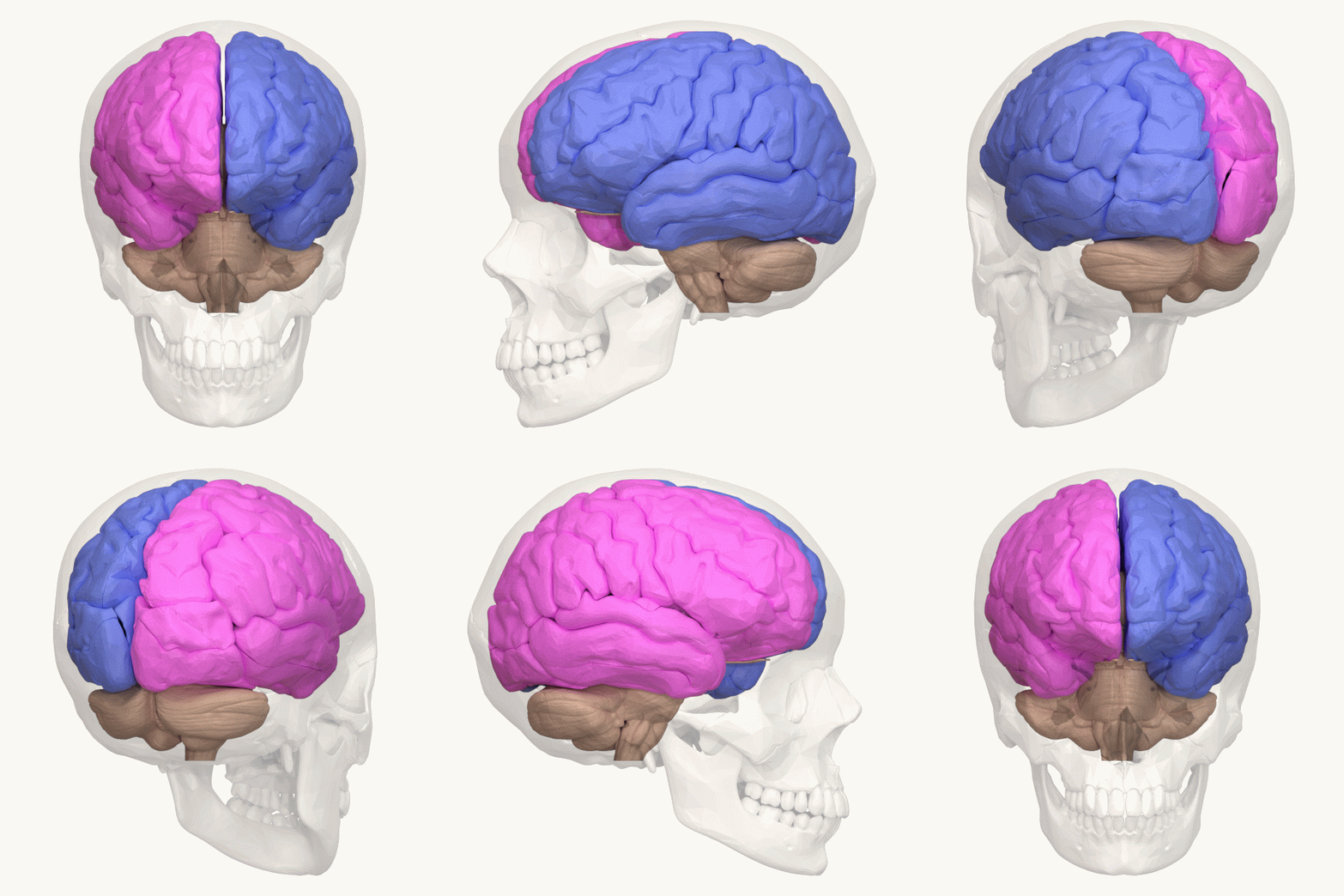


Typical specializations
In many individuals the left hemisphere plays a dominant role in language production and comprehension, including speech planning and sequential processing, with classic regions such as Broca's and Wernicke's areas identified for aspects of expression and comprehension. The right hemisphere is often more involved in visuospatial processing, attention across the visual field, face recognition, and some aspects of musical and emotional perception. Motor control is lateralized in the sense that each hemisphere primarily controls the opposite side of the body. These are tendencies rather than absolutes and show individual variation.
Development and variability
Lateralization emerges during development and is influenced by genetic, hormonal, and environmental factors. Handedness is one visible correlate of hemispheric dominance, but the relationship is imperfect: many right-handed people have left-hemisphere language dominance, while left-handers show greater variability. Sex differences in lateralization have been proposed in some studies but remain modest and context-dependent. Early brain injury can shift functions to the opposite hemisphere more readily than injuries sustained in adulthood, illustrating developmental plasticity.
Mechanisms
Multiple mechanisms underlie lateralization: subtle anatomical asymmetries in cortical structure, differences in white-matter connectivity between regions, asymmetric patterns of gene expression and neurotransmitter systems, and the timing of developmental events. Interhemispheric communication through the corpus callosum helps integrate specialized processes so perception, action and thought feel unified.
How lateralization is studied
Researchers investigate lateralization with lesion studies, observations after stroke or surgical procedures (including split-brain cases where the communicating fibers were severed), behavioral tests, and noninvasive neuroimaging. Functional MRI, EEG/MEG, diffusion imaging and transcranial stimulation are commonly used to map and perturb hemispheric contributions to specific tasks.
Clinical relevance and misconceptions
- Clinical: Knowledge of lateralization guides diagnosis and treatment in neurology and neurosurgery, for example when planning brain surgery or interpreting deficits after stroke.
- Plasticity: The brain can reorganize after injury; reassignment of function is more likely earlier in life.
- Myth-busting: Popular ideas that people are strictly ‘‘left-brained’’ or ‘‘right-brained’’ personalities oversimplify a complex, graded phenomenon. Most cognitive tasks require coordinated activity across both hemispheres.
Comparative perspective
Asymmetries in brain and behavior are not unique to humans: lateralized functions have been documented in other mammals, birds and even fish. Such conservation suggests evolutionary advantages to dividing neural labor while retaining interhemispheric integration.
Questions and answers
Q: What are the two halves of the human brain called?
A: The two halves of the human brain are called the left and right hemispheres.
Q: Are the left and right hemispheres of the brain exactly alike?
A: No, the left and right hemispheres of the brain are not exactly alike.
Q: Do both sides of the brain work together for most tasks?
A: Yes, for most tasks, both sides of the brain work together.
Q: What does the term brain lateralization mean?
A: The term brain lateralization means that the different halves of the brain do things differently.
Q: Does each side of the brain specialize in some things?
A: Yes, each side of the brain specializes in some things and works harder on those things than the other side.
Q: What is another term for lateralization of brain function?
A: Another term for lateralization of brain function is brain lateralization.
Q: What does lateralization of brain function refer to?
A: Lateralization of brain function refers to the fact that the different halves of the brain have specialized functions and do things differently.
Related articles
Author
AlegsaOnline.com Lateralization of Brain Function Leandro Alegsa
URL: https://en.alegsaonline.com/art/56194
Sources
- webspace.ship.edu : "Speech and the brain"
- plosone.org : An evaluation of the left-brain vs. right-brain hypothesis with resting state functional connectivity magnetic resonance imaging.
- doi.org : 10.1038/nrn1907
- pubmed.ncbi.nlm.nih.gov : 16607400
- doi.org : 10.1038/nrn1009
- pubmed.ncbi.nlm.nih.gov : 12511860
- bbc.co.uk : bbc.co.uk/news/health-11181457
- doi.org : 10.1016/j.bandl.2007.04.007
- pubmed.ncbi.nlm.nih.gov : 17537499
- doi.org : 10.1001/archneur.1996.00550070103017
- pubmed.ncbi.nlm.nih.gov : 8929174
- unicog.org : "Sources of mathematical thinking: behavioral and brain-imaging evidence"
- doi.org : 10.1126/science.284.5416.970
- pubmed.ncbi.nlm.nih.gov : 10320379
- unicog.org : "Three parietal circuits for number processing"