
Lateen sail: design, history, and maritime use
A lateen is a triangular fore-and-aft sail set on an angled yard. This article explains its design, parts, historical development, regional use, advantages, and differences from other rigs.
Overview
A lateen is a distinctive triangular sail suspended from a long, sloping yard that is mounted obliquely on the mast. The sail operates in a fore-and-aft orientation, running along the length of the vessel rather than across it. Its geometry and mounting give the craft greater ability to sail nearer to the wind than many square-rigged arrangements.
Image gallery
7 Images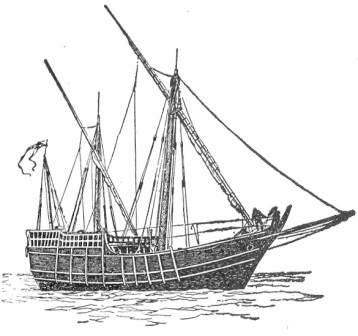


Design and key parts
Typical components include the yard, the header or luff where the sail meets the mast, the clew at the lower outer corner, and various halyards and sheets used to trim and rotate the yard. The angled yard can be raised, lowered, and swung so the sail presents an efficient shape to the wind. This arrangement concentrates sail area on one side of the mast, requiring careful balance and handling by the crew.
History and development
Evidence suggests forms of the lateen were in use in the Mediterranean and by Roman mariners during early historic times; it remained a prominent feature of Mediterranean navigation. Over many centuries the lateen became widespread and influential, and during the period known as the Age of Discovery it helped sailing vessels to tack and make progress upwind, contributing to the expansion of long-distance sea travel.
Geography, types and modern use
The rig has been especially common in the Mediterranean basin, along the upper Nile and in parts of the northwestern Indian Ocean. It remains the classic rig for traditional craft such as feluccas and dhows, and a simplified lateen is popular on small recreational boats and sport dinghies. Modern recreational designs often use a short, easily managed version of the yard and sail on boats like the Sunfish and other recreational craft.
Advantages, limitations and distinctions
- Advantages: improved windward performance compared with square sails; versatility when tacking; relatively simple spars.
- Limitations: requires handling to trim the yard; can foul rigging when changing tack; less efficient dead downwind than some specialized downwind rigs.
- Distinctions: the lateen is a fore-and-aft triangular sail and differs from square sails and modern Bermuda rigs in its yard-mounted support and sail shape.
Although newer rigs and sail technologies have supplanted the lateen on many commercial vessels, its influence on ship design and its continued use on traditional and leisure craft keep it an important and recognizable element of maritime heritage.
Questions and answers
Q: What is a lateen sail?
A: A lateen sail is a triangular sail set on a long yard mounted at an angle on the mast.
Q: What is the origin of the term "lateen"?
A: The term "lateen" comes from the French word "latine", meaning "Latin".
Q: Where is the lateen sail commonly used?
A: The lateen sail is common in the Mediterranean, the upper Nile River, and the northwestern parts of the Indian Ocean.
Q: Why did the lateen sail become popular during the Age of Discovery?
A: The lateen sail became popular during the Age of Discovery because it allowed a boat to tack "against the wind".
Q: What types of boats use the lateen rigging?
A: The lateen rigging is the standard rig for feluccas and dhows.
Q: What is another form of the lateen sail used on small recreational boats?
A: Another form of the lateen sail is used on small recreational boats like the Sailfish and Sunfish.
Q: How far back does the use of the lateen sail date?
A: The use of the lateen sail dates back to Roman navigation.
Author
AlegsaOnline.com Lateen sail: design, history, and maritime use Leandro Alegsa
URL: https://en.alegsaonline.com/art/56187
Sources
- dictionary.com : "lateen"
- nabataea.net : "Ancient Sailing and Navigation"
- nautarch.tamu.edu : "History of the Caravel"