
Las Cruces, New Mexico — overview, history and key facts
Las Cruces is the second-largest city in New Mexico, a regional hub in the Mesilla Valley with about 90,000 residents, home to New Mexico State University and noted for its desert landscape and agricultural heritage.
Overview
Las Cruces is the second-largest city in the U.S. state of New Mexico, with a population of roughly 90,000 people. It serves as the county seat of Doña Ana County and functions as a commercial and cultural center for southern New Mexico. The city's name, Spanish for "the crosses," reflects its Hispanic and frontier heritage.
Image gallery
10 Images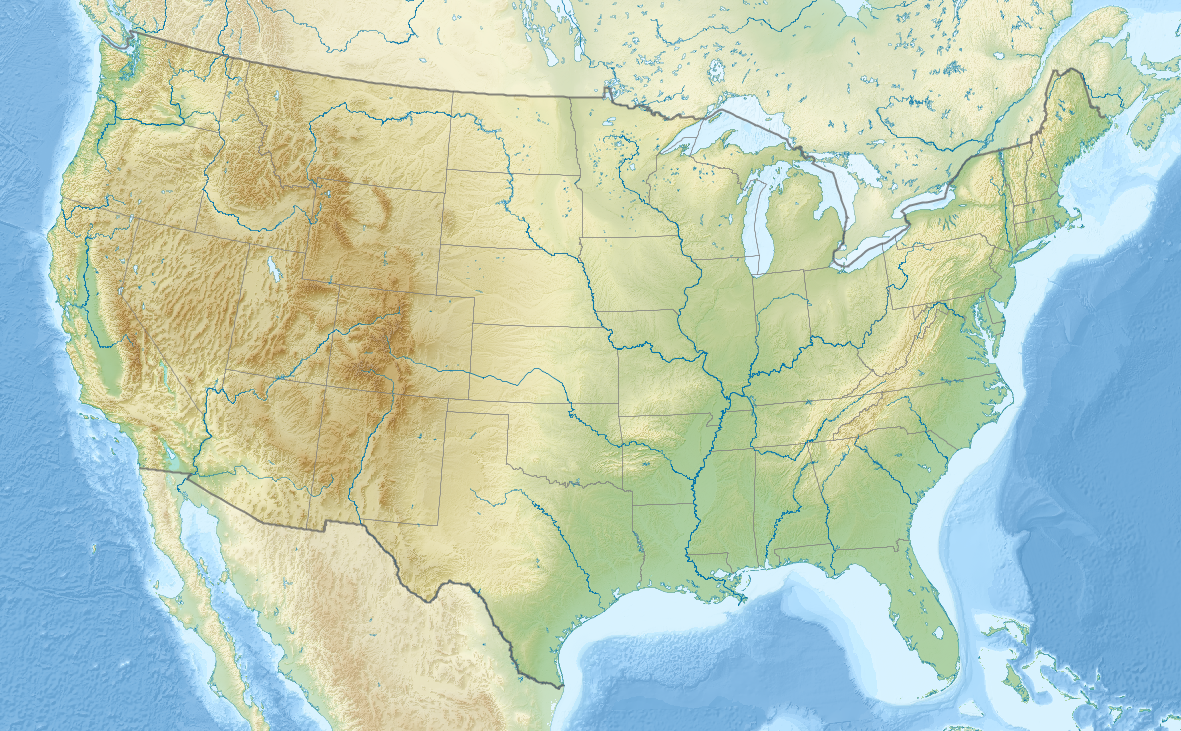






Geography and climate
Located in the broad Mesilla Valley along the Rio Grande, Las Cruces sits at the western edge of the Chihuahuan Desert beneath the Organ Mountains. The surrounding landscape combines irrigated agricultural land, arid foothills and rocky peaks. The climate is arid to semi-arid: hot summers, mild winters and limited annual precipitation, which shapes local agriculture and outdoor recreation.
History and development
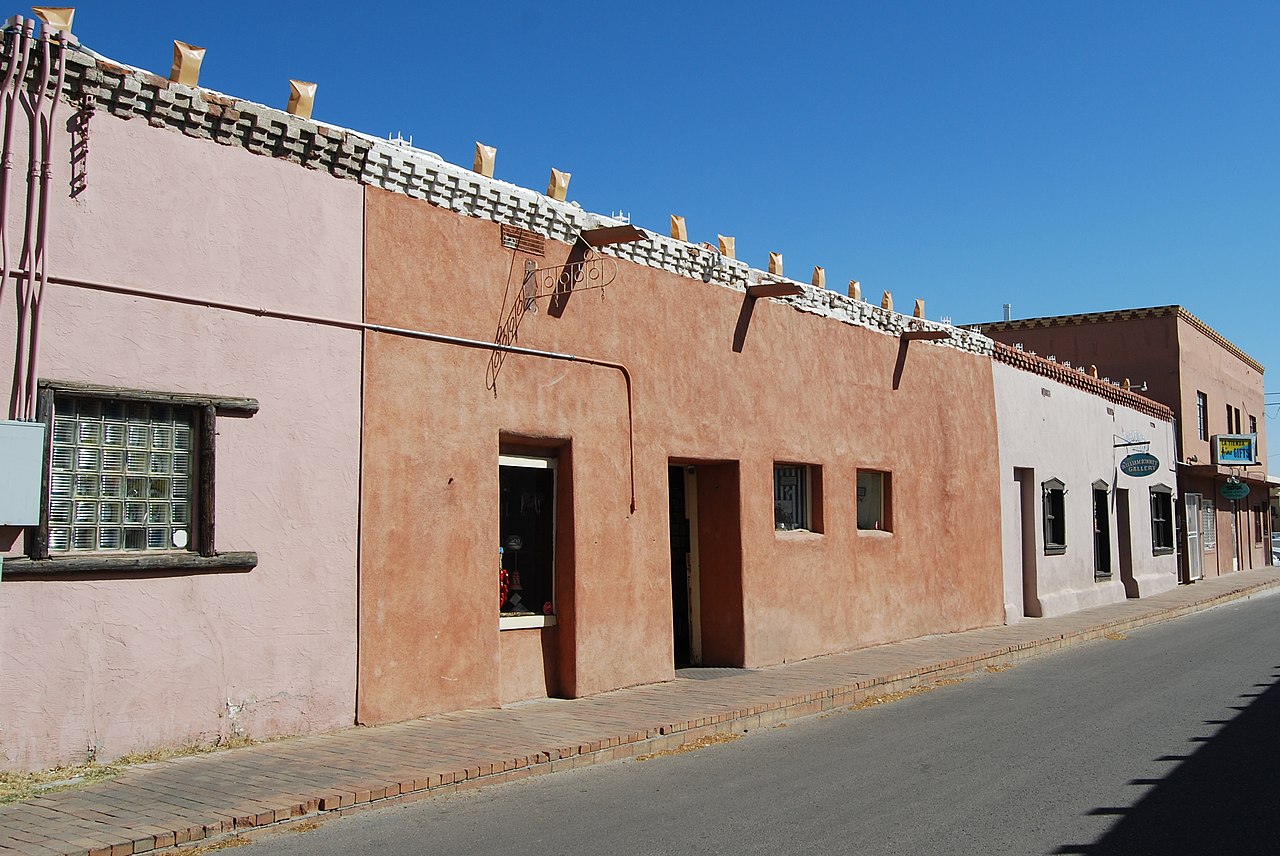
Las Cruces grew from 19th-century settlements and trade routes in the U.S.–Mexico borderlands. The nearby community of Old Mesilla and ranching, farming and railroad connections helped establish the area as a regional center. Mid-20th-century planning decisions, including a major Urban Renewal program, removed large portions of the historic Main Street; more recent decades have seen efforts to revitalize and reinterpret downtown while balancing growth with historic preservation.
Economy, education and institutions
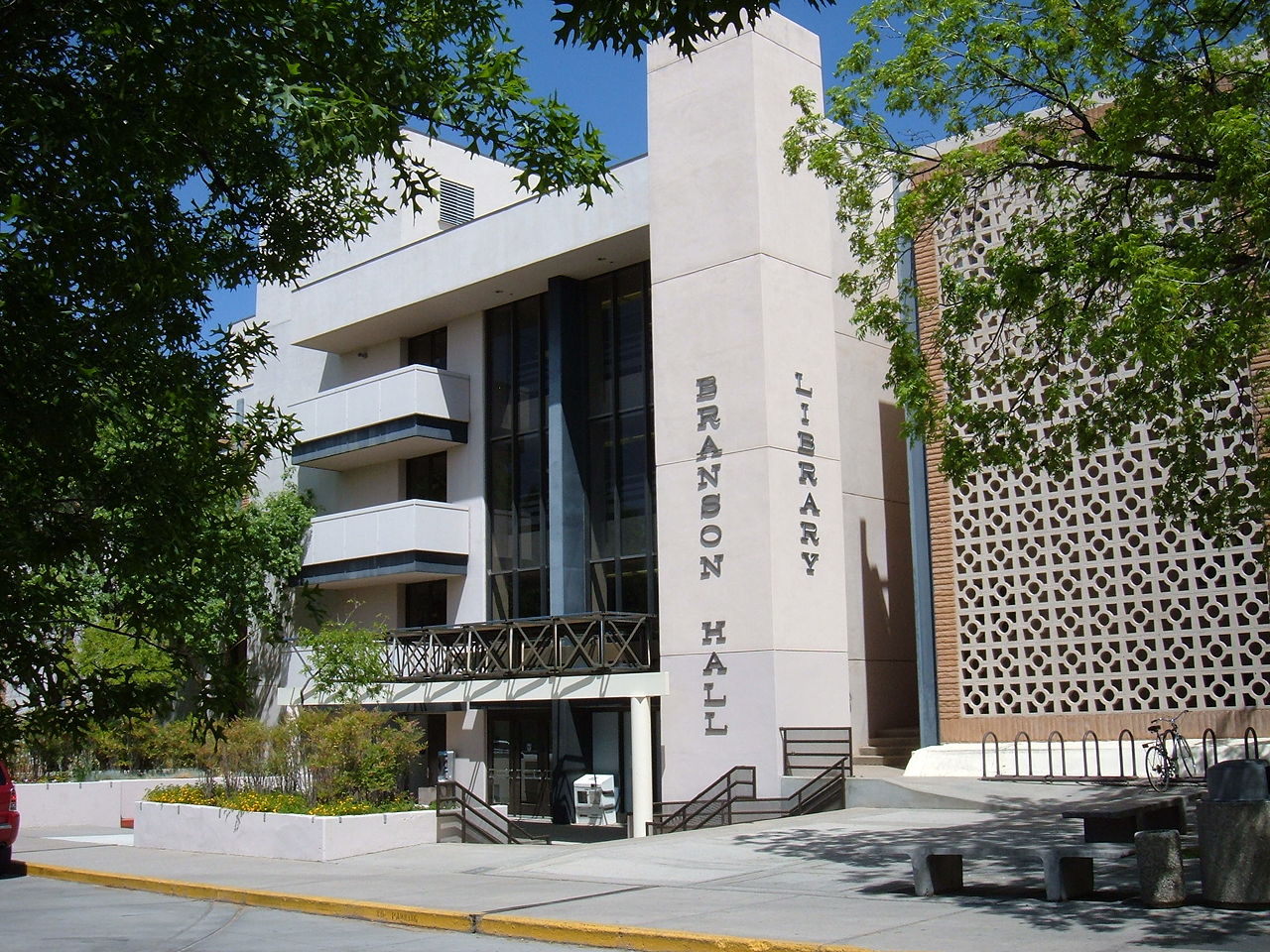
The economy mixes higher education, government services, agriculture and research. The main campus of New Mexico State University is in Las Cruces and is a principal employer, driving instruction, research and cultural programming. The surrounding valley produces chiles, pecans and other irrigated crops. The city also benefits from proximity to federal research and military installations, health-care centers and transportation links to nearby El Paso.
Culture, attractions and notable facts
Las Cruces combines Southwest cultural traditions, Hispanic heritage and outdoor recreation. The Organ Mountains provide hiking and scenic vistas, and the Rio Grande corridor supports wildlife and agriculture. Downtown and neighborhood festivals, arts organizations and farmers markets reflect local foodways and crafts. Key points of interest and distinctions include:
- Regional role as southern New Mexico's population and economic center.
- Location in the Mesilla Valley, with nearby Organ Mountains and desert landscapes.
- Home to a major public research university and a varied agricultural base.
- A history shaped by frontier settlement, railroads and mid-century urban renewal.
Questions and answers
Q: What is Las Cruces?
A: Las Cruces is the second largest city in the American state of New Mexico.
Q: How many people live in Las Cruces?
A: The current population of Las Cruces is about 90,000.
Q: What is the Urban Renewal Project of Las Cruces?
A: The Urban Renewal Project of Las Cruces is a large project that tore down much of its historic Main Street area.
Q: What is the main campus of New Mexico State University?
A: The main campus of New Mexico State University is located in Las Cruces.
Q: What is Las Cruces famous for?
A: Las Cruces is known for its large Urban Renewal Project and for being the home of the main campus of New Mexico State University.
Q: What is the size of Las Cruces in comparison to other cities in New Mexico?
A: Las Cruces is the second largest city in the American state of New Mexico.
Q: What is the significance of the historic Main Street area in Las Cruces?
A: The historic Main Street area of Las Cruces was torn down during the Urban Renewal Project which was a significant event in the city's history.
Related articles
Author
AlegsaOnline.com Las Cruces, New Mexico — overview, history and key facts Leandro Alegsa
URL: https://en.alegsaonline.com/art/56103