
Lankaran Economic Region (Lankaran–Astara)
Southern Azerbaijan economic region on the Caspian coast, noted for humid climate, tea and citrus agriculture, Talysh Mountains, and six administrative districts including Lankaran and Astara.
Overview
The Lankaran Economic Region, often referred to as Lankaran–Astara, is one of Azerbaijan's ten designated economic regions. It occupies the country's southeastern fringe along the Caspian Sea and at the foot of the Talysh mountain range. The area is distinguished by a humid, subtropical climate relative to most of Azerbaijan, which supports distinctive ecosystems and intensive horticulture.
Image gallery
4 Images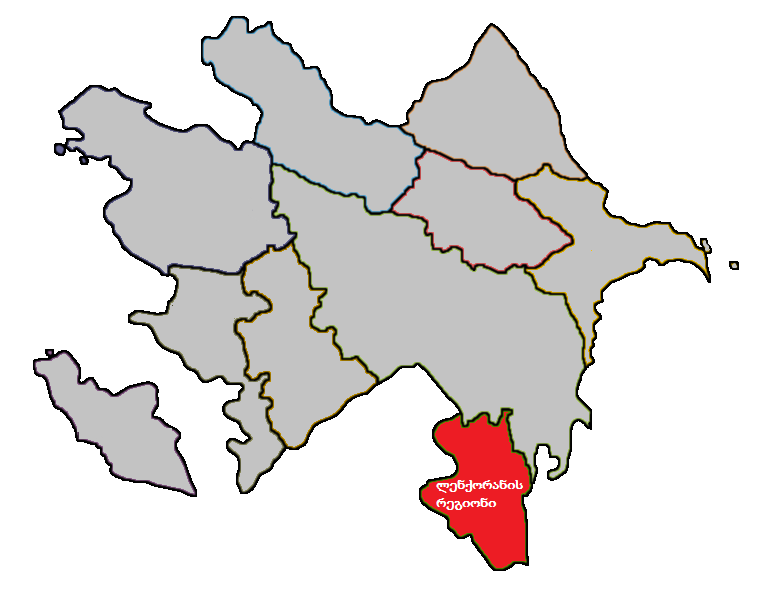


Administrative structure
The economic region comprises six administrative districts and several urban centres. Its principal districts are:
The region contains eight cities, six districts, thirteen settlements and some six hundred forty-two villages, with Lankaran city serving as the largest urban centre and administrative focal point. The region is sometimes referenced in planning and statistical materials as the Lankaran economic region.Geography and environment
Topography ranges from low coastal plains on the Caspian Sea to the forested slopes of the Talysh Mountains. This environmental variety produces rich biodiversity and includes protected areas such as parts of the Hirkan forest zone. The combination of relatively high rainfall, mild winters and warm summers creates conditions uncommon elsewhere in Azerbaijan.
Economy and land use
Agriculture is the dominant economic activity. The region is known for tea gardens, citrus orchards, rice paddies, vegetable production and beekeeping. Small-scale fishing along the Caspian shore and cross-border trade, especially at the Astara frontier, also contribute to local livelihoods. Forestry and ecotourism around mountain and forested areas are growing in importance.
History and cultural notes
The Lankaran area has a long cultural history influenced by the Talysh people and successive regional powers. During the 19th and 20th centuries it experienced administrative changes under imperial and Soviet governance that shaped its agricultural infrastructure. Today the region retains a mix of Azerbaijani and local Talysh cultural elements, reflected in language, crafts and cuisine.
Notable features and distinctions
Key distinguishing features include its subtropical microclimate within Azerbaijan, the presence of montane-humid forests with high biodiversity, and a specialized agricultural profile centered on tea and citrus. The combination of coastal access, mountain landscapes and cross-border connections gives the Lankaran Economic Region strategic and ecological significance in the south of the country.
For further administrative or statistical details consult regional authorities and national planning documents available through official channels.
Questions and answers
Q: What is Lankaran economic region?
A: Lankaran economic region is one of the ten economic regions in Azerbaijan.
Q: Which administrative districts are included in the Lankaran-Astara economic region?
A: The Lankaran-Astara economic region includes 6 administrative districts - Astara, Jalilabad, Lerik, Lankaran, Masally and Yardimli.
Q: How many settlements and villages are there in the Lankaran economic region?
A: The Lankaran economic region has 13 settlements and 642 villages.
Q: How many districts are there in the Lankaran economic region?
A: The Lankaran economic region has 6 districts.
Q: Are there any cities in the Lankaran economic region?
A: Yes, the Lankaran economic region has 8 cities.
Q: Can you name the administrative districts included in the Lankaran-Astara economic region?
A: The administrative districts included in the Lankaran-Astara economic region are Astara, Jalilabad, Lerik, Lankaran, Masally and Yardimli.
Q: Is Lankaran economic region located in Azerbaijan?
A: Yes, Lankaran economic region is located in Azerbaijan.
Related articles
Author
AlegsaOnline.com Lankaran Economic Region (Lankaran–Astara) Leandro Alegsa
URL: https://en.alegsaonline.com/art/55934