
Lamia (Greece): city, geography, history and significance
Lamia is a central Greek city and the capital of Phthiotis, known for its hilltop castle, fertile plain, and nearby mountains. It blends agricultural traditions with administrative and commercial roles.
Overview
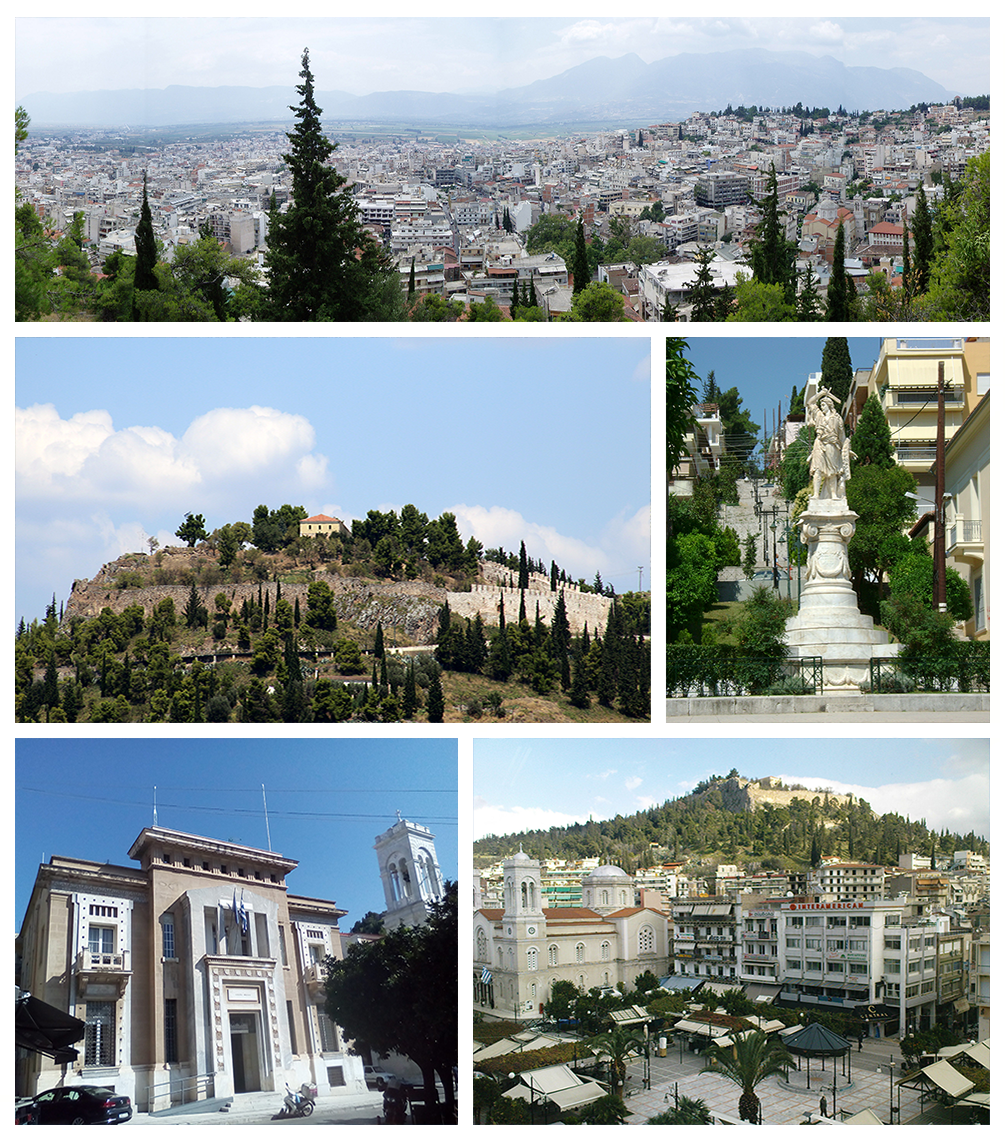
Lamia is a city in central Greece that serves as the administrative center of the Phthiotis regional unit. It occupies a strategic position where a broad plain meets surrounding mountain ranges and has long been a regional crossroads. The settlement rises from the plain toward a prominent hill crowned by a castle, a conspicuous landmark visible from much of the area. The 2001 census recorded 50,551 inhabitants in the municipality, giving a sense of its size in the early 21st century.
Image gallery
10 Images



Geography and environment
The city lies close to the fertile Spercheios plain, an area traditionally devoted to cereals, vegetables and pastoral farming. To the sides of the plain are mountain massifs, including Timfristos (also written Tymfristos), Oiti and Othris, whose slopes provide timber, grazing and scenic landscapes. Lamia's position makes it a transition zone between lowland agricultural plains and the upland environments of central Greece, with a typically Mediterranean climate of hot, dry summers and mild, wetter winters.
History and identity
Historically the place is known by its ancient name, Lamia, but during the medieval period it was often called Zitouni. The fortified hill that dominates the town reflects a long sequence of occupations; fortifications were adapted and rebuilt through Byzantine, Frankish and Ottoman times, underscoring Lamia's defensive and administrative importance. Its location on routes linking northern and southern Greece strengthened its role as a military and commercial node.
Economy, culture and uses
Modern Lamia combines agriculture from the surrounding plain with services, public administration and retail trade found in regional capitals. Markets, small industry and transport services contribute to the local economy. Cultural life includes museums, festivals and local traditions that draw on the area's rural heritage and historical legacy. The castle hill is a focal point for visitors and locals alike, offering views and a reminder of the town's long history.
Key facts and notable features
- Administrative capital of the Phthiotis regional unit.
- Built at the foot of a hill topped by a historically important castle.
- Located on a wide agricultural plain beside the Spercheios valley.
- Surrounded by the Timfristos, Oiti and Othris mountain ranges.
- Known in medieval times as Zitouni; now commonly referred to by its ancient name.
For general orientation and further reading about the city and its setting see Lamia overview and for medieval history consult sources on the region's development during the Middle Ages.
Questions and answers
Q: Where is Lamia located?
A: Lamia is a Greek city located in the center of Greece.
Q: How many people lived in Lamia according to the 2001 census?
A: According to the 2001 census, 50,551 people lived in Lamia.
Q: What is Lamia built at the foot of?
A: Lamia is built at the foot of a hill on the top of which there is a castle.
Q: What was Lamia named during the Middle Ages?
A: During the Middle Ages, Lamia was named Zitouni.
Q: What is Lamia's main industry?
A: Lamia is an agricultural city and its main industry is agriculture.
Q: What are the names of the tall mountains around Lamia?
A: The tall mountains around Lamia are named Timphristos, Oiti, and Othris.
Q: What is Lamia's ancient name?
A: Lamia's ancient name is Lamia, which is still used today.
Related articles
Author
AlegsaOnline.com Lamia (Greece): city, geography, history and significance Leandro Alegsa
URL: https://en.alegsaonline.com/art/55703