
Laksa: Southeast Asian spicy noodle soup and its regional varieties
Laksa is a family of spicy Southeast Asian noodle soups from Peranakan cuisine, notable for coconut or tamarind broths and many regional variants such as curry laksa and assam laksa.
Laksa is a group of richly flavored noodle soups that originated in the Malay–Peranakan communities of the Malay Archipelago and is now a signature dish in Malaysia, Singapore, Indonesia and Brunei. The defining features are noodles served in a boldly seasoned broth — generally either coconut-based (rich and spicy) or tamarind-based (sour and fishy) — and an array of proteins and garnishes such as prawns, fish, tofu puffs, bean sprouts, hard-boiled egg and aromatic herbs.
Image gallery
10 Images

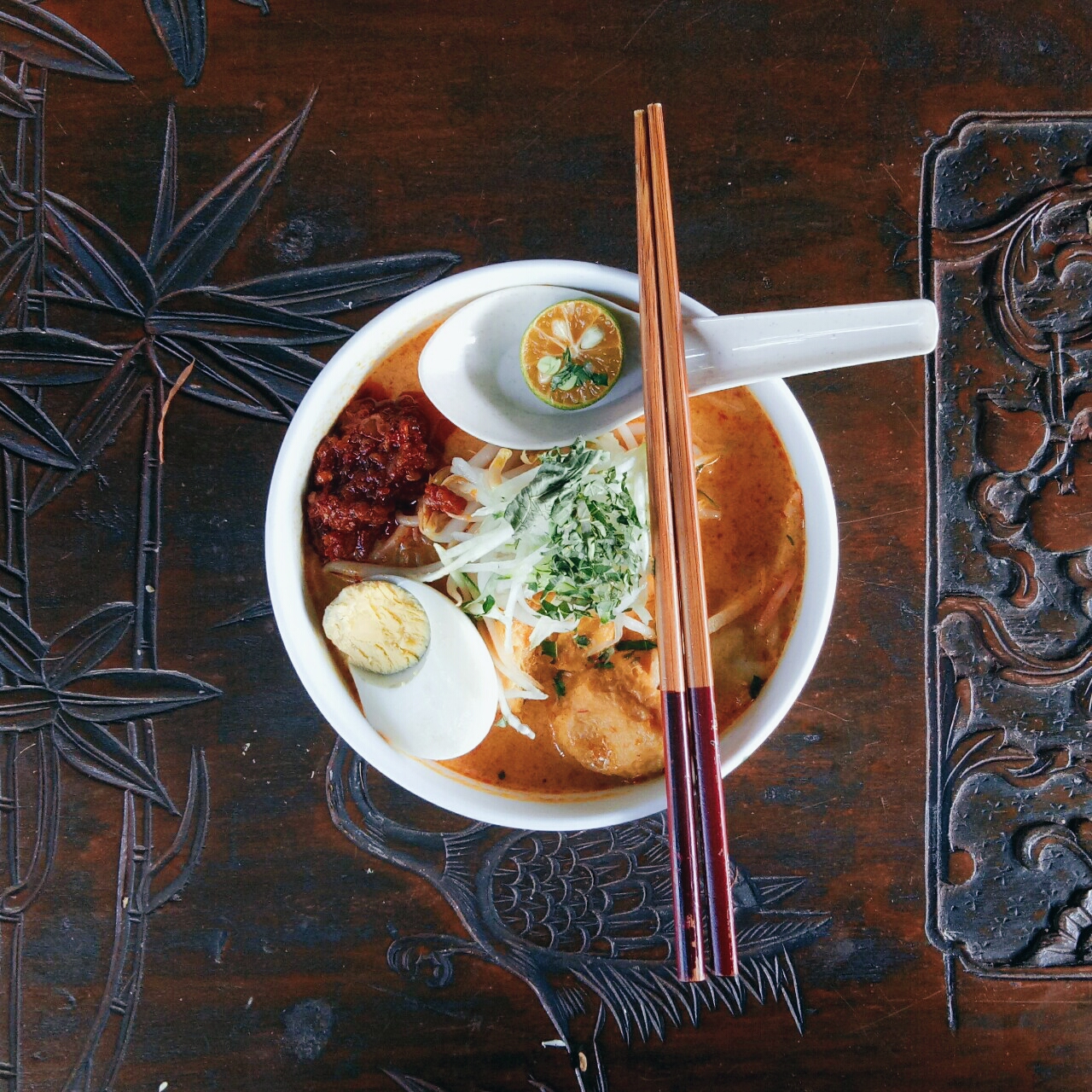
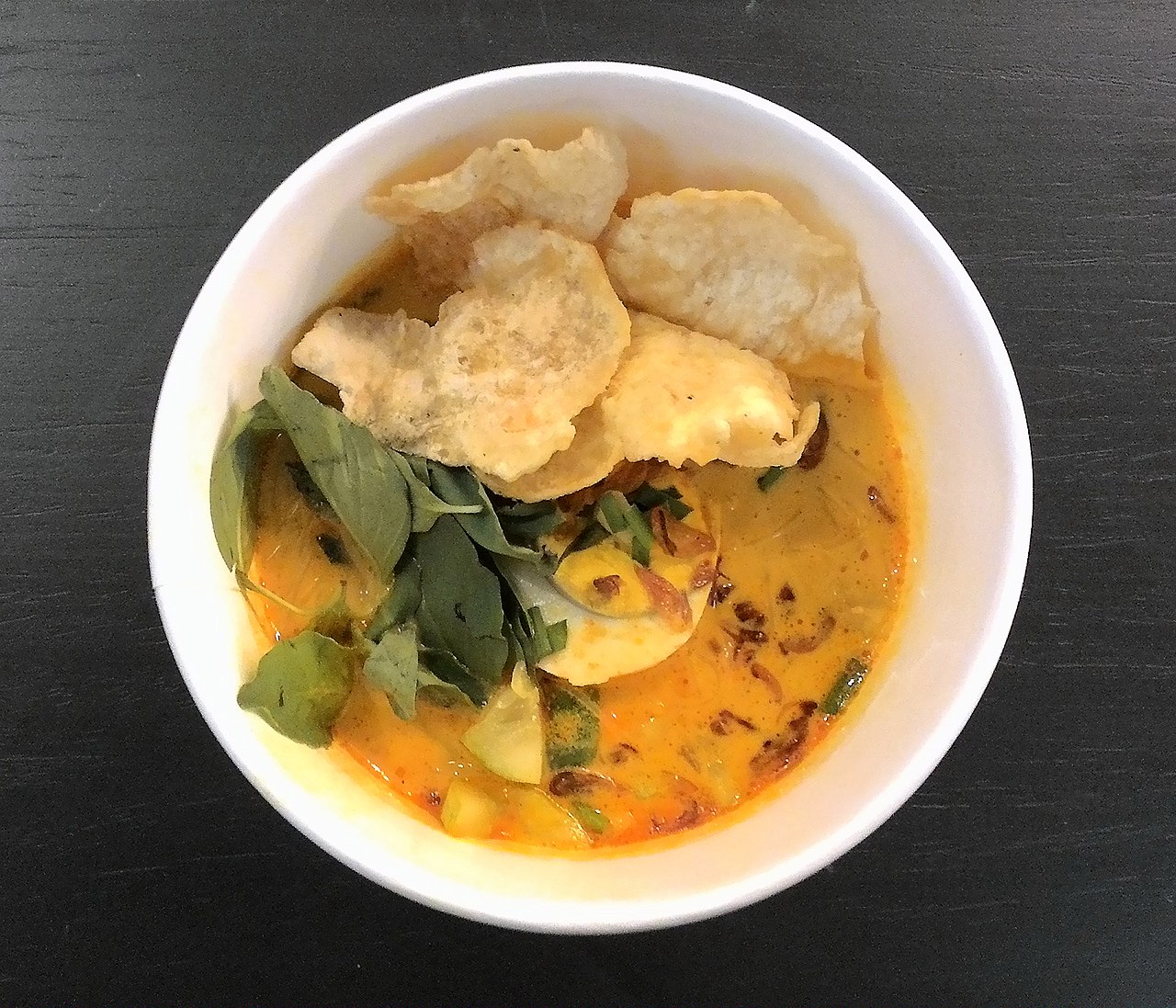
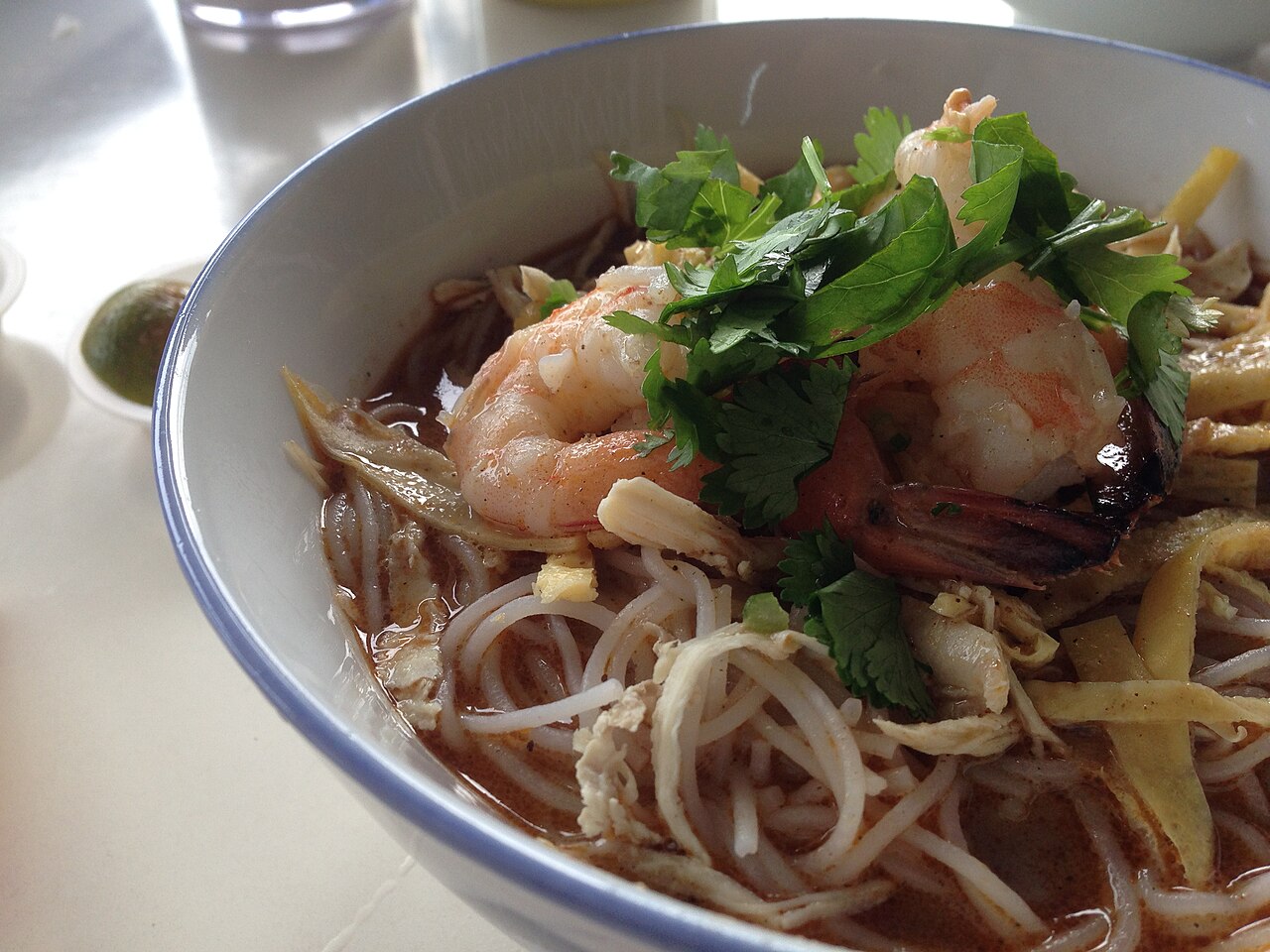

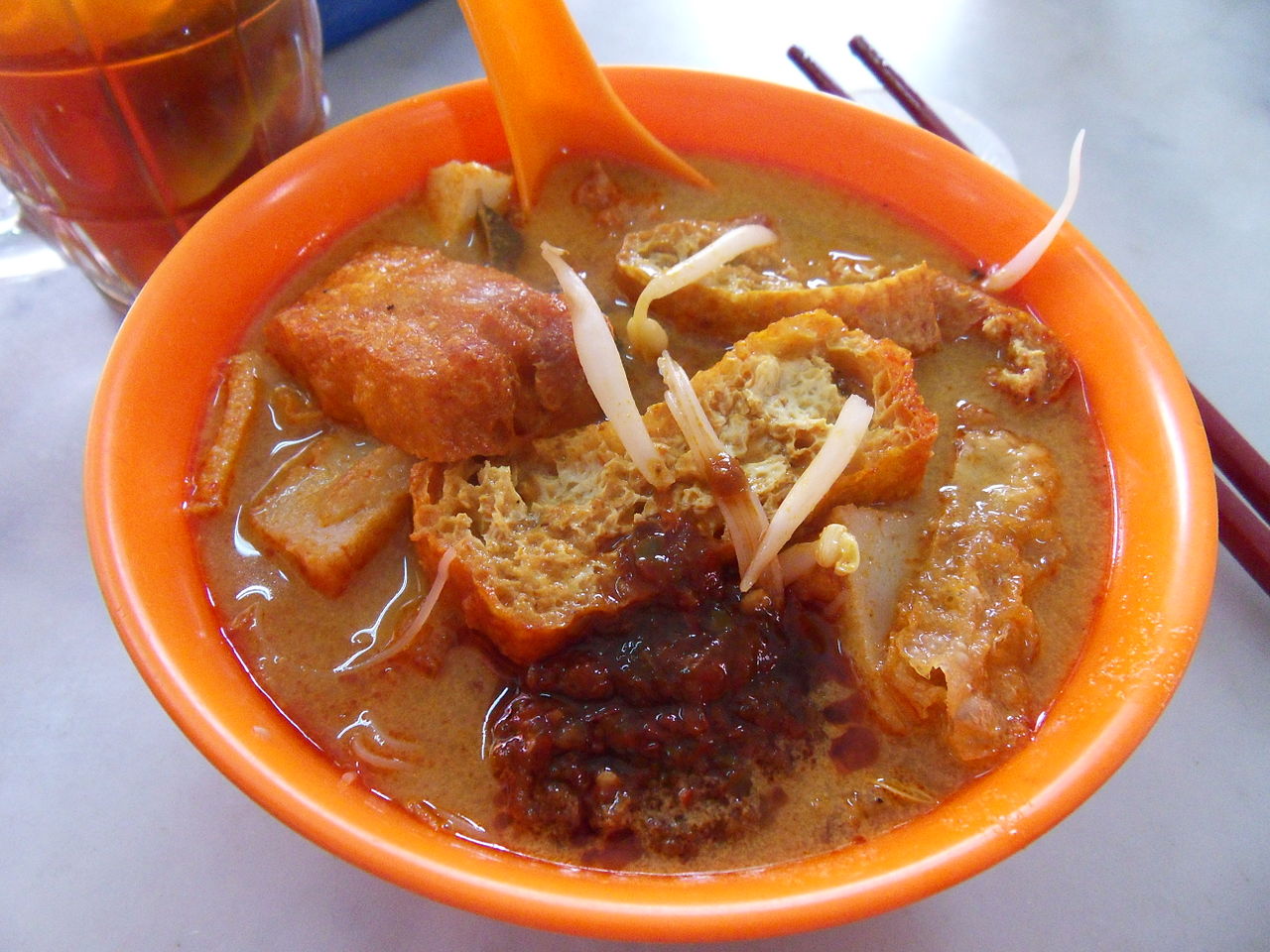


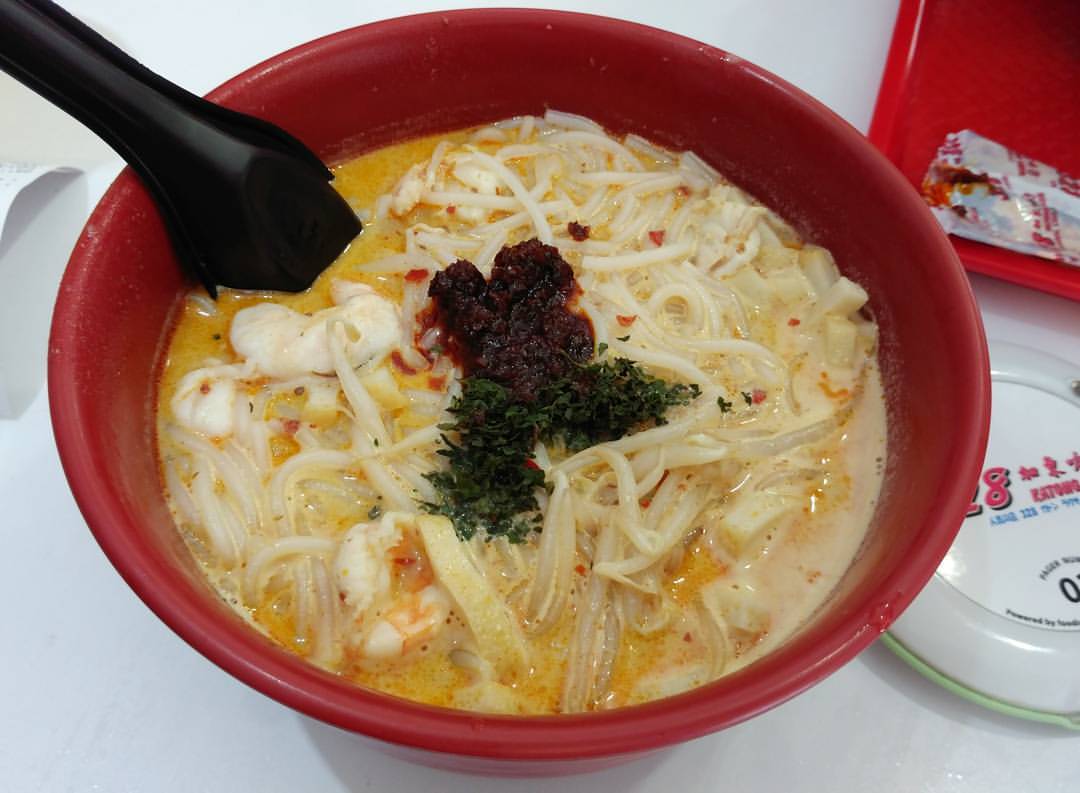
Characteristics and common ingredients
Two broad categories are most commonly recognised: curry laksa (also called laksa lemak), which has a coconut milk–based curry broth, and asam laksa, a sour fish soup flavored with tamarind. Other components that differentiate laksa styles include the type of noodle (rice vermicelli, thick rice noodles, or egg noodles), the spice paste (made from chilies, turmeric, lemongrass, galangal, shrimp paste and other aromatics), and garnishes such as daun kesum (laksa leaf), laksa paste, lime, fresh coriander and sambal.
History and etymology
Laksa is widely associated with Peranakan (Straits Chinese) culture, which blended Chinese culinary techniques with Malay ingredients and spices in port cities such as Malacca and Singapore. The precise origin of the word "laksa" is debated: suggestions include Malay, Sanskrit, Persian or other regional roots, but no single etymology is universally accepted. While similarly named noodles exist across Eurasia (for example lapsha, lokshen and lagman), those terms generally refer to distinct Central Asian or Slavic noodle dishes and should not be conflated with Southeast Asian laksa.
Major regional variants
- Curry laksa — coconut milk–based, often with chicken, prawns or tofu; spicy and creamy.
- Assam (Penang) laksa — tamarind and fish–based, sour and tangy, commonly topped with shredded mackerel, cucumber and pineapple.
- Sarawak laksa — a Bornean variant featuring a spice paste with sambal, lemongrass and coconut, typically served with shredded chicken and prawns.
- Katong laksa — a Singapore style noted for its cut-up noodles eaten with a spoon rather than chopsticks.
- Regional and home styles — many towns and families have local recipes that vary spice blends, protein and noodle type.
Uses, serving and cultural importance
Laksa is enjoyed as street food, hawker fare and home cooking. It functions as breakfast, lunch or dinner depending on local custom. In places such as Penang and Singapore, specific styles of laksa are part of local identity and culinary tourism. Diners often customize heat and acidity with condiments like sambal, lime, or belacan (shrimp paste).
Related names and similar noodles
Across Eurasia there are many noodle names that sound similar to "laksa" but refer to different dishes; these terms reflect the wide diffusion of wheat- and rice-noodle traditions. Examples include:
- Afghanistan (Lakhchak)
- Armenia (Lapsha / Լապշա)
- Belarus (локшына)
- Kazakhstan (лағман)
- Lithuania (Lakštiniai)
- Palestine (Lokshen / לאָקשן)
- Israel (Lokshen / לאָקשן)
- Mongolia (лапша)
- Myanmar (ခေါက်ဆွဲ)
- Russia (лапша)
- Western China (лағмен / لەڭمەن)
- Ukraine (локшина)
- Uzbekistan (Lagʻmon)
These names illustrate how noodle dishes and their words travel and transform across cultures. When exploring recipes or menus, it is useful to distinguish between Southeast Asian laksa (a spicy soup) and other similarly named but distinct noodle traditions from Central Asia, Eastern Europe or the Middle East.
For recipes, regional guides and photographic references, see local culinary resources and regional hawker food guides.
Questions and answers
Q: What is Laksa?
A: Laksa is a noodle dish that originated in Persia, which typically includes gravy and side dishes.
Q: How did Laksa become popular around the world?
A: Laksa was brought to different parts of the world by Persians engaged in trading activities, which led to the development of various regional variations of the dish.
Q: What are some of the regional variations of Laksa?
A: Laksa is known as Lakhchak in Afghanistan, Lapsha in Armenia, Lokšyna in Belarus, Lağman in Kazakhstan, Lagman in Kyrgyzstan, Lakštiniai in Lithuania, and Lapsha in Mongolia, among other names.
Q: Do all regional variations of Laksa have the same essential ingredients?
A: Yes, despite having different names, all regional variations of Laksa have the same essential ingredients.
Q: What is Laksa called in Myanmar?
A: In Myanmar, Laksa is called ခေါက်ဆွဲ (Lakhaoswè/Khaoswè).
Q: Where is Laksa called Lagʻmon?
A: Laksa is called Lagʻmon in Uzbekistan.
Q: Is Laksa only popular in Asia?
A: While Laksa has its origins in Persia and is popular in various Asian countries, it is enjoyed in other parts of the world as well.
Related articles
Author
AlegsaOnline.com Laksa: Southeast Asian spicy noodle soup and its regional varieties Leandro Alegsa
URL: https://en.alegsaonline.com/art/55622