
Lake Macquarie (New South Wales)
Lake Macquarie, also called Awaba, is Australia’s largest coastal saltwater lake. It lies on the New South Wales coast north of Sydney, covers about 110 km², and supports recreation, wildlife and coastal communities.
Lake Macquarie (Aboriginal name: Awaba) is a large coastal saltwater lake on the eastern coast of Australia. It occupies roughly 110 square kilometres and is considered the largest coastal saline lake in the country. The lake sits on the coast of New South Wales, to the north of Sydney, with the urban area of the City of Lake Macquarie established along much of its shoreline. A short channel links the lake to the Tasman Sea, allowing tidal exchange and marine influence.
Image gallery
10 Images
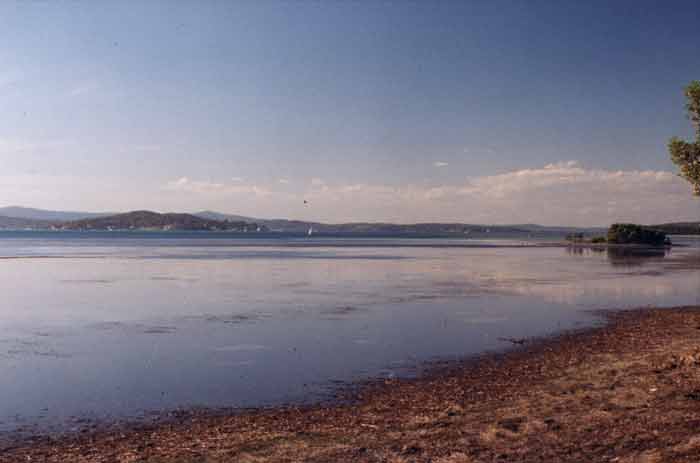


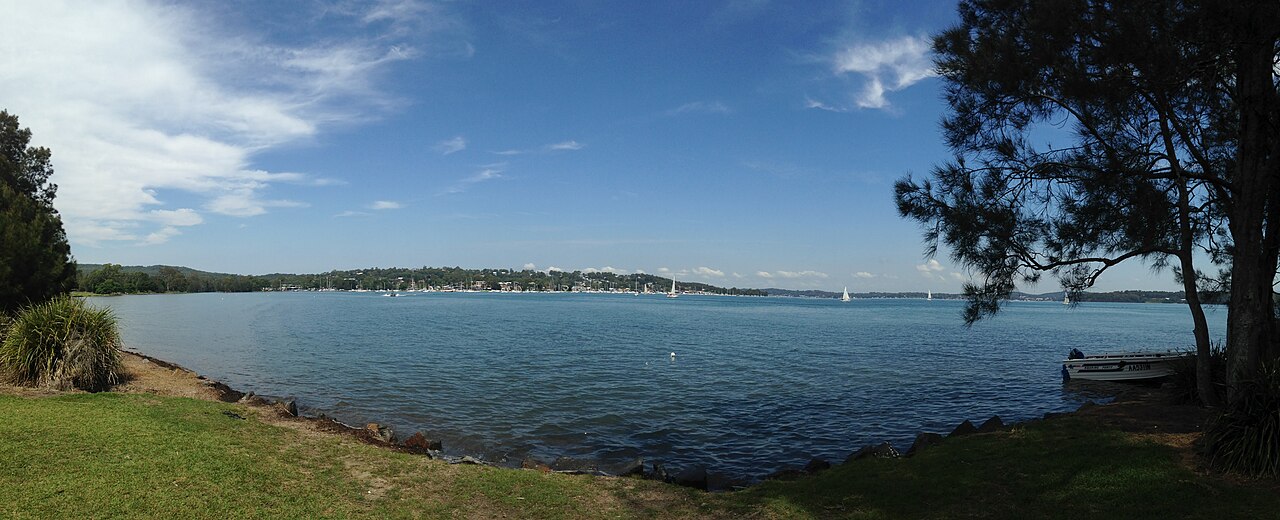


Geography and physical characteristics
The lake is a shallow, coastal lagoon system with a highly indented shoreline, bays and peninsulas. It receives freshwater from a number of small rivers and creeks while being influenced by seawater through the entrance channel. That combination produces estuarine conditions: parts of the lake are brackish to saline, and water levels and circulation change with tides, rainfall and wind-driven flows.
Ecology and natural values
Lake Macquarie supports a mosaic of coastal habitats including seagrass beds, wetlands, mangroves and rocky foreshore. These areas provide important nursery and feeding grounds for fish, support waterbirds and coastal wildlife, and help maintain water quality. The mix of marine and freshwater influences creates ecological diversity that is valued by scientists, recreational anglers and conservation groups.
History and cultural significance
The lake has long been important to the local Aboriginal peoples, who know it by names such as Awaba and whose cultural connections to the land and water predate European settlement. European use expanded in the 19th and 20th centuries with fishing, boating and growing coastal towns; today the lake remains central to the identity and economy of surrounding communities.
Uses, recreation and economy
The lake is a major local resource for recreation, tourism and lifestyle. Popular activities include:
- Boating, sailing and marinas
- Fishing and angling for estuarine species
- Swimming, kayaking and water-based leisure
- Shoreline walking, birdwatching and picnicking
Adjacent suburbs, small commercial centres and holiday areas depend on the lake for both amenity and local business.
Management, issues and notable facts
As an urbanised coastal system, Lake Macquarie faces challenges common to estuaries: water quality pressures from runoff and development, habitat loss, invasive plants and animals, and the need to balance competing uses. Ongoing management involves local government, state agencies, traditional owners and community groups working on conservation, pollution reduction and sustainable recreation. Its status as Australia’s largest coastal saltwater lake and its Aboriginal name Awaba remain among its most notable features.
Questions and answers
Q: What is Lake Macquarie?
A: Lake Macquarie is the largest coastal salt water lake in Australia.
Q: How big is Lake Macquarie?
A: It covers an area of 110 square kilometres.
Q: Where is Lake Macquarie located in Australia?
A: Lake Macquarie is located on the coast of New South Wales, north of Sydney.
Q: What city is on the shores of Lake Macquarie?
A: The city of Lake Macquarie is on the shores of the lake.
Q: How is Lake Macquarie connected to the sea?
A: Lake Macquarie is connected to the sea by a short channel.
Q: What is the alternative name for Lake Macquarie?
A: Another name for Lake Macquarie is Awaba.
Q: What kind of water is in Lake Macquarie?
A: Lake Macquarie is a salt water lake.
Related articles
Author
AlegsaOnline.com Lake Macquarie (New South Wales) Leandro Alegsa
URL: https://en.alegsaonline.com/art/55521
Sources
- gnb.nsw.gov.au : "Awaba Lake"
- gnb.nsw.gov.au : "Lake Macquarie"
- environment.nsw.gov.au : "Pulbah Island Nature Reserve"
- gnb.nsw.gov.au : "Pulbah Island"
- lakemac.infohunt.nsw.gov.au : "History of Pulbah Island"
- 141.243.32.146 : "Pulbah Island"
- birdata.com.au : "IBA: Lake Macquarie"
- birdlife.org : "Important Bird Areas factsheet: Lake Macquarie"
- livinglakemacquarie.org : "Lake Macquarie Estuary Process Study"
- livinglakemacquarie.org : "Lake Macquarie Integrated Estuary and Catchment Management Framework"
- livinglakemacquarie.org : "Living Lake Macquarie"