
Ariodante — Handel's three‑act opera based on Orlando Furioso
Ariodante is a three‑act opera by George Frideric Handel, first staged in 1735. Based on Ariosto's Orlando Furioso, it blends dramatic arias, recitative and ballet and has become a staple of Baroque revival.
Overview
Ariodante is a three‑act opera in three acts composed by George Frideric Handel. The libretto was adapted from episodes of Ludovico Ariosto's epic Orlando Furioso by an anonymous Italian librettist and was set to music by Handel with dramatic emphasis on emotional contrast and vocal display. The work blends the formal elements of opera seria with moments of tender lyricism and theatrical spectacle.
Image gallery
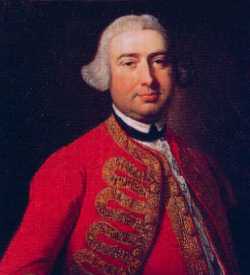
7 Images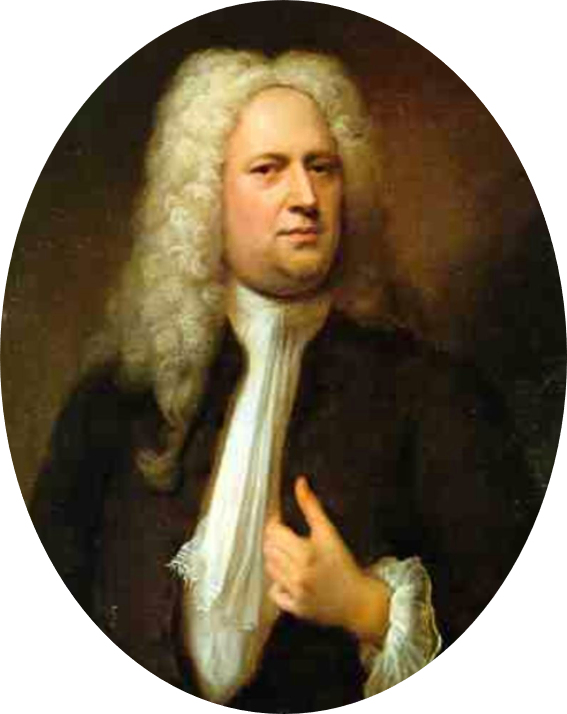


Music and structure
Handel wrote Ariodante in the stylistic language of the 1730s, combining secco and accompanied recitative, expressive arias and occasional ensembles. He included a sequence of dances and orchestral passages written to showcase the celebrated dancer Marie Sallé, reflected in surviving references to inserted ballet music. The score emphasizes contrasts of mood, from anguished laments to triumphal finales.
Principal characters and synopsis
- Ariodante — the hero
- Ginevra — his betrothed
- Polinesso — the antagonist
- Dalinda — a confidante whose deceit sparks the central crisis
- Lurcanio and the king — supporting figures
The basic plot follows court intrigue: Polinesso engineers a false reputation of infidelity for Ginevra, using Dalinda's complicity, which drives Ariodante into despair. Ginevra is publicly accused and condemned, but the plot is uncovered, Polinesso is undone and the lovers are reunited — a resolution typical of Handel's operatic morality plays.
Performance history and reception
Ariodante premiered on 8 January 1735 at the Covent Garden Theatre in London, opening Handel's first season at that house. Contemporary records show it was well received and counted eleven performances in its original season. Like many Baroque operas it fell into neglect before a 20th‑century rediscovery: the score was issued in the early 1960s and the piece entered the modern stage repertoire with revivals in the 1970s and thereafter (publication, revival).
Notable features and legacy
Critics and performers often single out the work for its psychological depth and finely wrought arias; the melancholy aria "Scherza infida" (sung by the hero in the original) is among the best known. Ariodante occupies a respected place among Handel's operas for its balance of dramatic intensity and lyrical beauty, and it remains a frequent choice for companies exploring Baroque opera.
Further information: see contemporary studies and modern editions linked from primary resources and specialist catalogues premiere records.
Questions and answers
Q: Who composed the opera Ariodante?
A: George Frideric Handel composed the opera Ariodante.
Q: What was the source material for the libretto of Ariodante?
A: The libretto of Ariodante was based on parts of Ludovico Ariosto's Orlando Furioso.
Q: Did Handel include ballet music in the opera Ariodante?
A: Yes, Handel included ballet music in the opera Ariodante for the famous dancer Marie Sallé.
Q: When and where was Ariodante first performed?
A: Ariodante was first performed in the Covent Garden Theatre, London, on 8 January 1735.
Q: How successful was Ariodante during its premiere season?
A: Ariodante was a great success during its premiere season and was performed 11 times.
Q: When was the score of Ariodante first published?
A: The score of Ariodante was published in the early 1960s.
Q: Was the opera Ariodante forgotten after its premiere season?
A: Yes, Ariodante was eventually forgotten, but it was revived in the 1970s and is now thought to be one of Handel's best operas.
Related articles
Author
AlegsaOnline.com Ariodante — Handel's three‑act opera based on Orlando Furioso Leandro Alegsa
URL: https://en.alegsaonline.com/art/5549
Sources
- oq.oxfordjournals.org : "Ariodante"
- doi.org : 10.1093/oq/3.3.191