
Lake Agassiz: Ice‑Age Proglacial Lake of Central North America
Former proglacial lake that covered much of central North America after the last ice age; shaped landscapes, soils and drainage and is studied for its climatic and geological impacts.
Overview
Lake Agassiz was an immense proglacial body of water that formed along the margin of the retreating Laurentide Ice Sheet. As a glacial lake, it occupied broad lowlands of central North America and at times covered an area larger than all of the modern Great Lakes combined. Its presence during the late Pleistocene left a distinctive imprint on the physical geography, soils and hydrology of the region.
Image gallery
9 Images





Formation and chronology
The lake developed when meltwater collected between glacial ice and higher land as the ice sheet waned toward the end of the last ice age. Over several thousand years the lake existed in multiple stages; ice margins, bedrock thresholds and newly opened outlets determined its elevation and extent. Stratigraphic studies and dated sediments show a complex history of transgression, stillstand and drainage.
Extent and physical characteristics
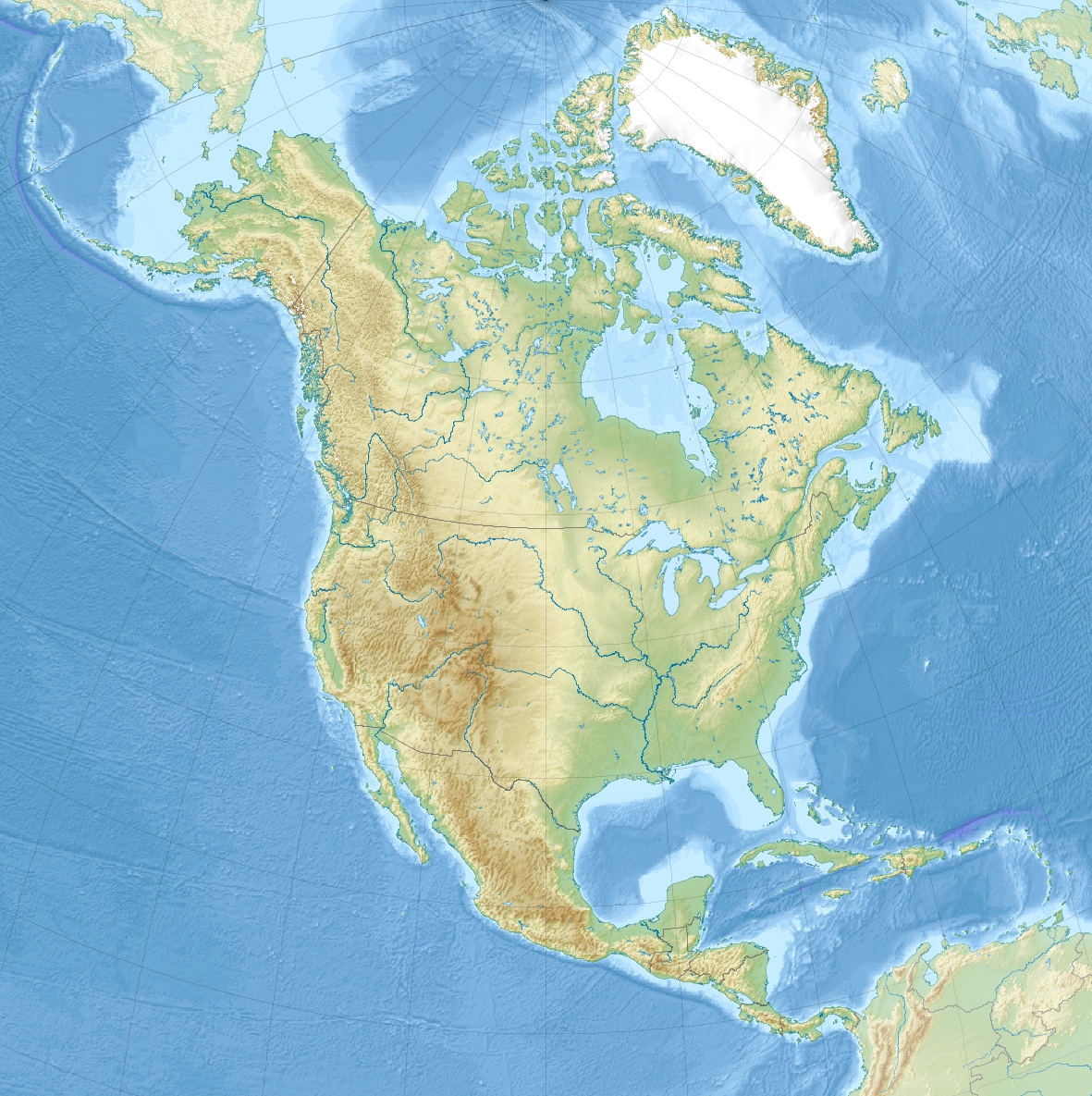
At maximum extents Lake Agassiz spanned a broad basin roughly between about 45°30′ and 55°N latitude and from roughly 92°30′W to 106°W. It covered parts of present-day Manitoba, Ontario and Saskatchewan in Canada and parts of North Dakota, Minnesota and Montana in the United States. The lakebed preserves fine-grained lacustrine silts and clays, extensive beach ridges and strandlines that record former shorelines.
Outlets, drainage events and environmental effects
Drainage routes changed as ice retreated and moraines or ice dams opened or failed. Major discharges routed northward toward Hudson Bay at some times and southward or eastward at others, including flow into the ancestral Saskatchewan River system and through the River Warren channel that carved what is now the Minnesota River valley. Rapid outburst floods from Agassiz have been associated with abrupt changes in freshwater input to the North Atlantic and are considered important in discussions of postglacial climate variability.
Legacy
The former lakebed is now characterized by very flat plains, productive agricultural soils (notably across the Red River Valley), wetlands and preserved shoreline ridges. These features influence modern drainage, flood behaviour and land use. The idea of a former vast lake in the region was first advanced in the early 19th century and the name commemorates the naturalist Louis Agassiz.
Research and resources
Ongoing research by geologists and paleoclimatologists uses mapped shorelines, sediment cores and dating techniques to refine the timing of Agassiz's stages and to quantify its impacts on ocean circulation and climate. Regional surveys and syntheses about glacial lakes, ice-sheet retreat and paleohydrology provide accessible summaries, while specialized papers examine specific drainage events and their wider consequences for Northern Hemisphere environments. For further regional context consult geological overviews of central North America and comprehensive discussions of Pleistocene lake systems.
Questions and answers
Q: What is Lake Agassiz and where was it located?
A: Lake Agassiz was a large glacial lake in central North America, and its area was larger than all of the modern Great Lakes combined. It was located in the geographic center of North America and covered an area from 45°30' to 55° of north latitude, and from 92°30', on the international boundary, to 106°, on the Saskatchewan River.
Q: How was Lake Agassiz formed?
A: Lake Agassiz was formed by glacial meltwater at the end of the last ice age.
Q: When was the existence of Lake Agassiz first proposed?
A: The existence of Lake Agassiz was first proposed in 1823.
Q: Who was Lake Agassiz named after?
A: Lake Agassiz was named after Louis Agassiz in 1879.
Q: How large was Lake Agassiz compared to the modern Great Lakes?
A: Lake Agassiz was larger than all of the modern Great Lakes combined.
Q: What was the extent of Lake Agassiz's coverage?
A: Lake Agassiz covered an area from 45° 30' to 55° of north latitude, and from 92° 30', on the international boundary, to 106°, on the Saskatchewan River.
Q: What was the significance of the area covered by Lake Agassiz?
A: The area covered by Lake Agassiz was the geographic center of North America.
Related articles
Author
AlegsaOnline.com Lake Agassiz: Ice‑Age Proglacial Lake of Central North America Leandro Alegsa
URL: https://en.alegsaonline.com/art/55454