
Arica — Chilean port city and regional capital
Arica is a northern Chilean port city and commune near the Peruvian border, capital of the Arica and Parinacota Region. It is noted for its arid climate, historic Morro hill, and role as a cross-border commercial hub.
Overview
Arica is a port city and commune in northern Chile. It serves as the administrative centre of the Arica Province and, since regional reform in 2007, as capital of the Arica and Parinacota Region. Located on the Pacific coast only a short distance south of the border with Peru, Arica functions as a maritime gateway for trade and travel in the far north of the country.
Image gallery
10 Images




Geography and climate
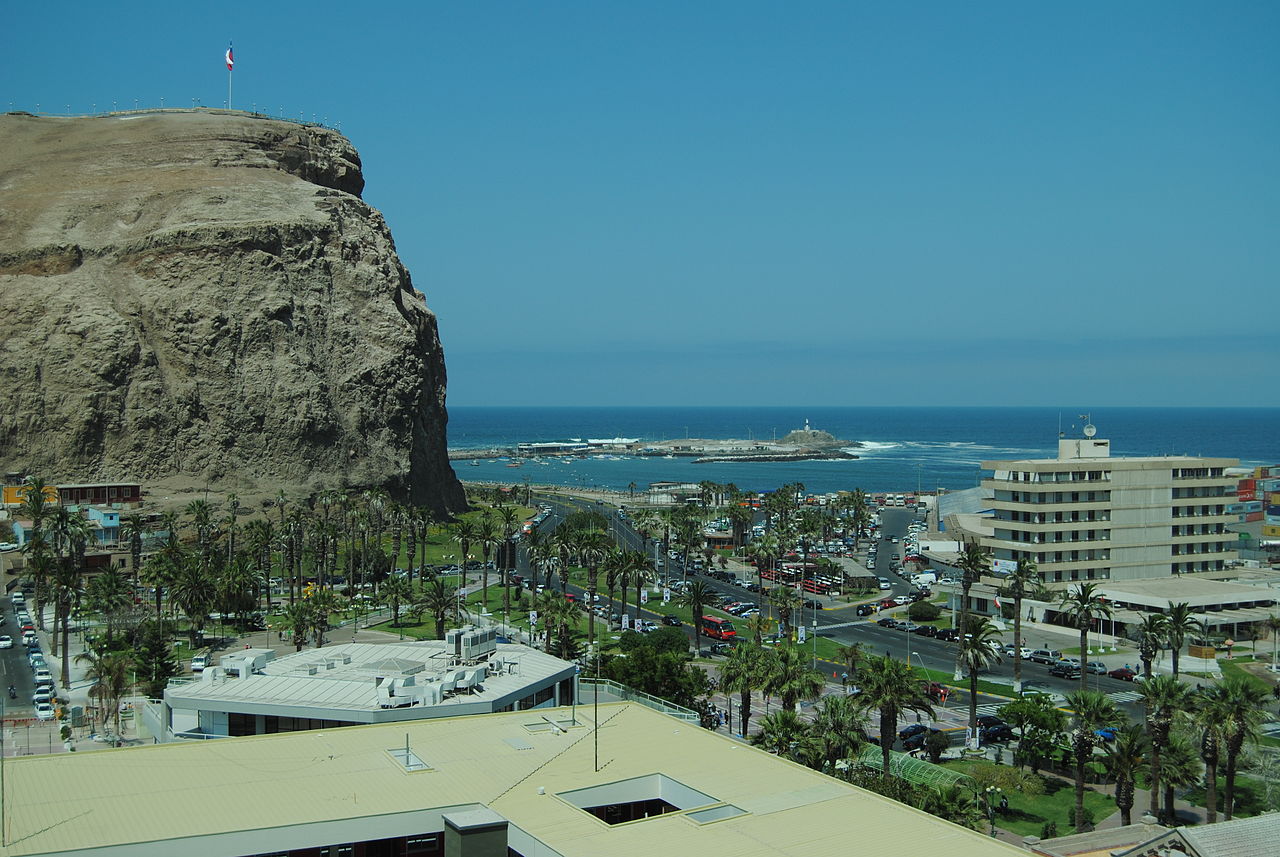
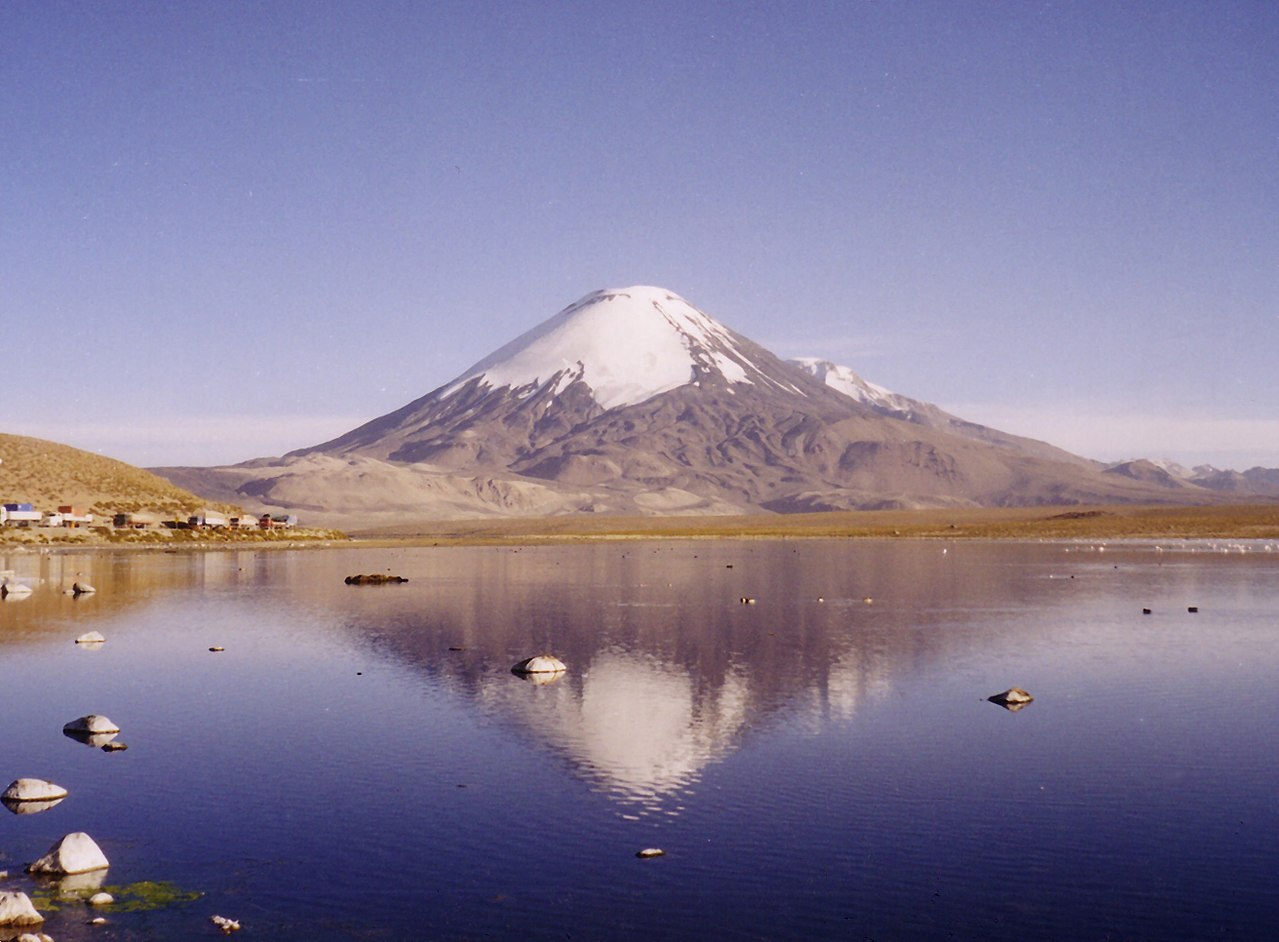
Arica stands on a narrow coastal strip backed by steep foothills and the high Andes farther inland. The city faces the Bay of Arica and is overlooked by the prominent basalt promontory known as the Morro of Arica. The local climate is extremely arid; rainfall is minimal and the surrounding landscape is part of the Atacama Desert corridor. These conditions have shaped urban layout, water use and local agriculture in irrigated valleys.
History and development
The settlement that became Arica traces its colonial foundation to the mid-16th century and was later a contested Pacific port. In the late 19th century the town figured prominently in the conflict known as the War of the Pacific; the assault on the Morro of Arica is a noted episode from that period. Over the 20th and early 21st centuries the city evolved into a regional administrative and commercial centre, formally designated as the regional capital after a national territorial reorganization.
Economy, transport and infrastructure
Arica's economy blends port activity with fishing, services, commerce and tourism. Its harbour facilitates coastal shipping and regional freight movements; the city is also a road and air link for cross-border traffic with neighbouring countries. Historically, rail lines connected the port with inland destinations, and transport connections continue to shape Arica's importance as a distribution point for northern Chile and adjacent areas of Bolivia and Peru.
Culture, attractions and notable features
The city offers a mix of coastal recreation and historical sites. Visitors and residents value sandy beaches, the panoramic viewpoints around the Morro, and museums and monuments that recall colonial and 19th-century events. Local festivals, markets and a cuisine influenced by coastal produce add to the cultural life.
Quick facts and context
- Administrative role: seat of province and regional government (Arica Province, Arica and Parinacota Region).
- Location: coastal city in northern Chile, near the border with Peru (about 18 km north of the city limits).
- Founding: colonial-era foundation in the 16th century; later historical significance in the 19th century.
- Functions: port, tourism centre, regional administrative capital (capital).
For administrative distinctions see the provincial and regional entries and for municipal details consult the commune page and port records: commune, port, region.
Questions and answers
Q: What is Arica?
A: Arica is a commune and port city with a population of 196,590 in the Arica Province of northern Chile's Arica y Parinacota Region.
Q: How far away from Peru is it?
A: It is only 18 km (11 mi) south of the border with Peru.
Q: When was it founded?
A: It was founded on 25 April 1541 by Lucas Martínez Vegaso as San Marcos de Arica.
Q: What province does it belong to?
A: It belongs to the Arica Province.
Q: What region does it belong to?
A: It belongs to the Arica and Parinacota Region.
Q: Is it the capital of its region and province?
A: Yes, since 2007 it has been the capital of both its region and province.
Related articles
Author
AlegsaOnline.com Arica — Chilean port city and regional capital Leandro Alegsa
URL: https://en.alegsaonline.com/art/5531
Sources
- muniarica.cl : "Alcaldía"
- inearicayparinacota.cl : "Región de Arica y Parinacota"
- ine.cl : Instituto Nacional de Estadísticas
- weatherbase.com : "Arica, Chile - Köppen Climate Classification"