
La Goulue (Louise Weber) — French can‑can dancer and Montmartre celebrity
Louise Weber, known as La Goulue, was a celebrated late‑19th century French can‑can dancer from Montmartre, famed for her audacious stage acts, association with artists and lasting influence on the Belle Époque image.
Overview
La Goulue was the stage name of Louise Weber (13 July 1866 – 30 January 1929), a French can‑can performer who became one of the best‑known entertainers of Montmartre during the Belle Époque. Her sobriquet—literally "the glutton" and colloquially "greedy guts"—referred to a theatrical gag and to a brash public persona that helped make her a crowd favourite. Her energetic, athletic dancing and her confrontational rapport with audiences made her a symbol of late‑19th‑century popular nightlife.
Image gallery
10 Images






Early life
Born in Clichy, on the northern outskirts of Paris, Louise Weber grew up in a working‑class family and assisted with domestic tasks and laundry work from an early age. She was of modest background and, according to contemporary accounts, began to pursue dancing as a way to escape economic hardship and to seek attention in the lively cafés and small dance halls that dotted Paris. As a teenager she started performing in local venues and developing the stage manner that would later define her public image.
Rise to fame in Montmartre
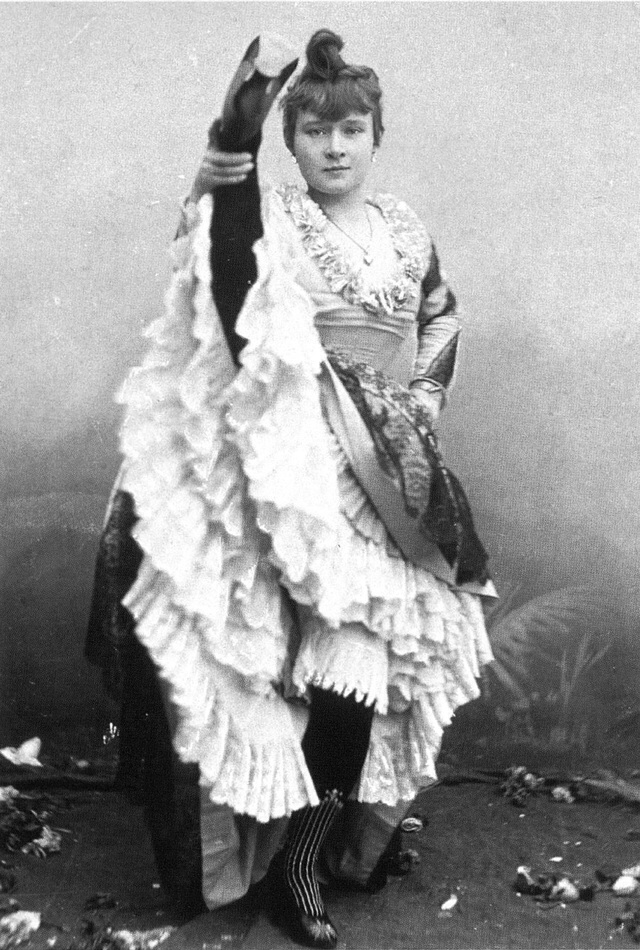
By the late 1880s La Goulue had established a strong reputation in the clubs of Montmartre, the neighbourhood famous for its mix of popular entertainment and bohemian art. She moved from modest cafés to larger music‑hall stages, performing the high‑energy can‑can, a dance known for vigorous kicks, splits and theatricality. Her performances were often described as both athletic and deliberately provocative, attracting male and female patrons and the attention of artists and illustrators who documented Montmartre life.
Stage persona and signature acts
La Goulue cultivated a set of striking stage tricks that became her trademark. She was notorious for teasing the audience: swirling her skirt in a way that revealed an embroidered heart on her undergarments, snatching or drinking from a customer's glass as she passed, and flicking off men's hats with a toe. These gestures combined physical skill with comic provocation and helped make the can‑can not only a dance spectacle but a display of rebellious urban entertainment.
Artistic connections and publicity
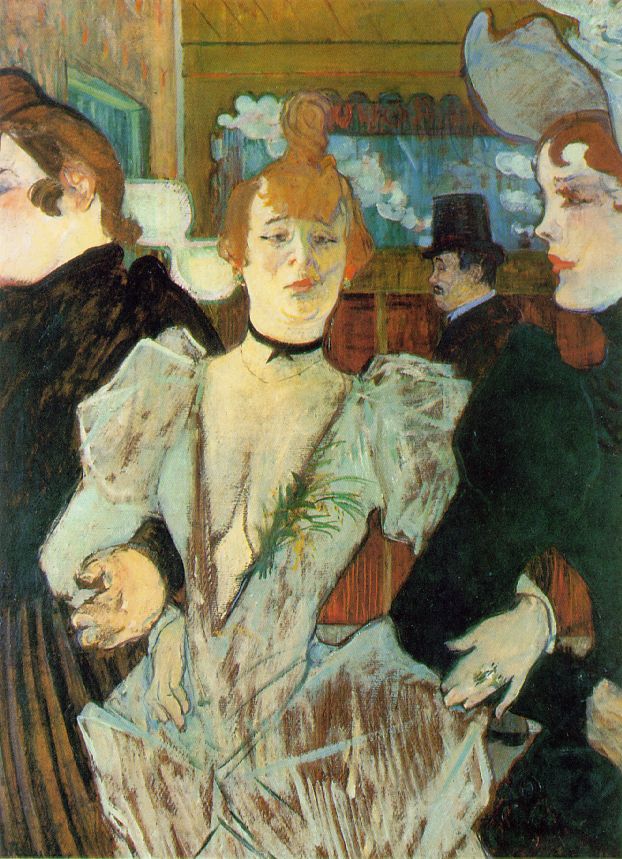
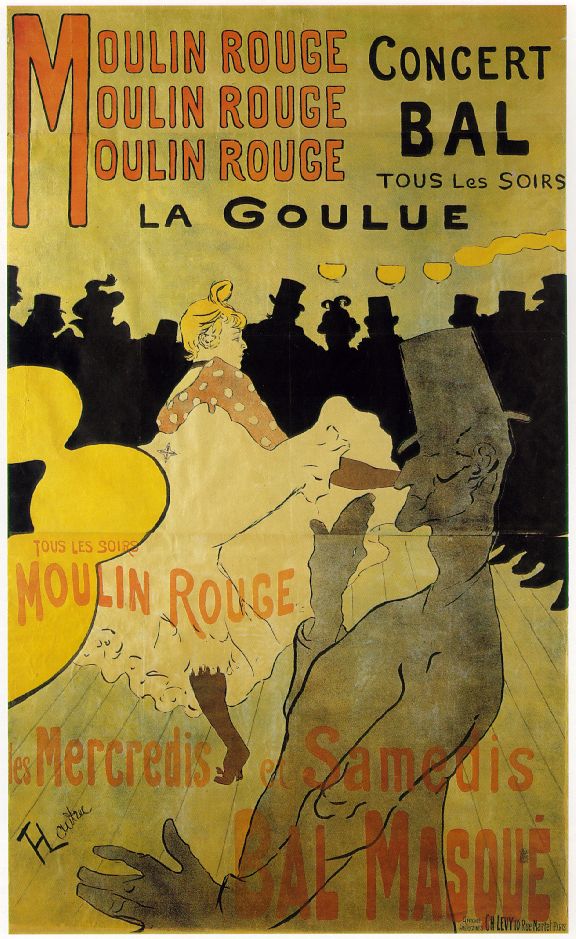
Montmartre attracted painters, printmakers and photographers who sought to capture contemporary city life, and La Goulue figured prominently among their subjects. Most famously, the poster art and prints produced by the circle around Henri de Toulouse‑Lautrec helped to publicize both the performers and the venues where they worked. She is also remembered in accounts that link her to other artists of the period; some sources note contacts with figures such as Pierre‑Auguste Renoir and with groups of models and sitters who worked for painters and early photographers.
Later life and legacy
Like many popular entertainers whose fame is tied to a particular moment, La Goulue experienced changes in fortune as tastes and venues evolved. Nonetheless, her image endured through posters, illustrations and printed anecdotes that shaped the later popular memory of the Belle Époque. Histories of Parisian popular culture and dance often cite her role in establishing certain stage conventions associated with the can‑can and with Montmartre nightlife.
Notable facts
- Birth name: Louise Weber; stage name: La Goulue, a nickname meaning "greedy" or "gluttonous" in everyday French usage. Meaning
- Origins and early work: came from humble beginnings and did domestic and laundry work before becoming a professional performer.
- Dance and profession: associated with the theatrical can‑can and known primarily as a dancer in Parisian music halls.
- Geography: closely linked to the entertainment scene of Montmartre and to the suburbs where she was born, such as Clichy.
- Art and publicity: depicted and promoted by artists and printmakers; connected to the world of artists, models and early photographers.
- Public image: famous for playful exposés and stage tricks such as revealing an embroidered heart on undergarments and interacting cheekily with spectators. Stage tricks
- Nationality and cultural context: remembered as a French popular performer whose career illustrates aspects of the Belle Époque and urban entertainment history. Nationality
- Popular references: often described in contemporaneous press and later studies as a symbol of exuberant Parisian nightlife; sometimes framed as an aspiring star who became an icon of popular culture.
For readers seeking further information, biographies and studies of Parisian music halls, the can‑can, and Montmartre visual culture provide broader context about performers like La Goulue. Contemporary collections of posters and prints are particularly useful for understanding how image, promotion and performance combined to create celebrity in the late nineteenth century. Modeling, artistic circles and printed imagery remain key sources for reconstructing the world she inhabited.
Questions and answers
Q: Who was La Goulue?
A: La Goulue was Louise Weber, a French can-can dancer known for her nickname.
Q: What does "La Goulue" mean in French slang?
A: "La Goulue" means "greedy guts" in French slang.
Q: How did La Goulue get her nickname?
A: La Goulue got her nickname from her habit of picking up a customer's glass and drinking it while dancing past the table.
Q: What was Weber's background before becoming famous?
A: Weber was a poor Jewish girl who loved to dance and worked with her mother in a laundry.
Q: How did Weber become popular in Paris?
A: Weber became popular in Paris for her dancing skills and behavior at small clubs.
Q: What were some of La Goulue's tricks during her dancing routine?
A: La Goulue teased the male audience by swirling her raised dress to reveal the heart embroidered on her panties, and she also kicked off a man's hat with her toe.
Q: Who introduced La Goulue to a group of models that posed for artists and photographers?
A: The Montmartre painter Pierre-Auguste Renoir introduced La Goulue to a group of models that posed for artists and photographers.
Related articles
Author
AlegsaOnline.com La Goulue (Louise Weber) — French can‑can dancer and Montmartre celebrity Leandro Alegsa
URL: https://en.alegsaonline.com/art/54982
Sources
- sdmart.org : Toulouse-Lautrec: Biographies — La Goulue
- moulinrouge.fr : moulinrouge.fr/