
La Fille mal gardée
An enduring comic, pastoral ballet first performed in 1789. La Fille mal gardée follows a rustic love story and is notable for its pantomime, folk dances, layered musical versions and long performance history.
Overview
La Fille mal gardée (literally "The Poorly Guarded Girl" or commonly "The Unchaperoned Daughter") is a short, comic pastoral ballet traditionally presented in three short scenes. The work emphasises character, mime and village humour over supernatural spectacle. Its plot and stage business are rooted in everyday rural life, and the piece is celebrated for warmth, simple human comedy and dances that combine technical steps with theatrical personality. This combination helps explain why the ballet has remained in the repertory of major companies for centuries.
Image gallery
10 Images
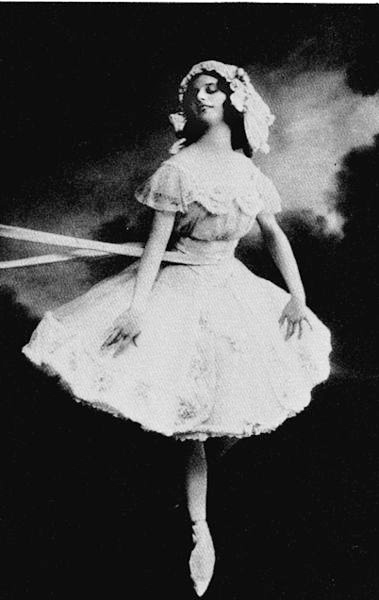


Plot and principal characters
The plot centers on the young heroine Lise, her lover Colas and Lise's well-meaning but domineering mother, the Widow Simone. A wealthier but clumsy suitor, Alain, is favored by Simone; the conflict arises as Lise and Colas work to outwit the intended match and obtain permission to marry. The scenario relies heavily on pantomime and comic business: misunderstandings, disguises, and small household episodes supply most of the dramatic interest rather than grand sequences of spectacle or fantasy. The ballet is therefore often described as a comic or bucolic pastoral piece.
Music and choreography
The originary choreography is traditionally attributed to Jean Dauberval; his name is often associated with the creation of the pastoral comedy-ballet form and he is usually cited as the first choreographer of the work. Later, a widely used 19th-century musical score by Ferdinand Hérold became associated with popular revivals, and many modern stagings use arrangements or re-orchestrations based on that material. For the choreographic tradition and later reconstructions, Dauberval remains a key historical figure and is frequently mentioned in program notes and histories. Dauberval and Ferdinand Hérold are names commonly linked with the ballet's origin and later musical identity.
Performance history
The earliest documented performances place the première in provincial France, with a noted early staging in Bordeaux, and a subsequent presentation at the Grand Théâtre in Paris on 1 July 1789. The work is often cited as the oldest ballet that still appears with some regularity in the repertoires of major companies. Over the 19th and 20th centuries, choreographers and musical arrangers produced beloved variants that helped secure its popularity and ensured that different versions of the score and steps would circulate internationally. The ballet's origins and many of its revivals are rooted in France, but it has long been adopted by companies outside France as well.
Notable productions and legacy
In the 20th century several notable revivals and reconstructions helped popularise a particular combination of choreography and orchestration that is frequently staged today; some of these productions have become models for companies seeking a comic, character-driven work. Typical highlights of many stagings include a clog or sabots dance, lively ensemble country dances, and a charming, characterful pas de deux that underlines the couple's romance rather than pure virtuosic display. Directors and choreographers balance historic mime and local colour with modern technique to keep the story accessible to contemporary audiences. A well-known theatre venue associated with early Paris performances is the Grand Théâtre in Paris.
Characters and staging notes
- Lise — the heroine, young and spirited.
- Colas — Lise's true love, clever and attractive.
- Widow Simone — Lise's mother, comic and officious.
- Alain — the awkward, richer suitor whom Simone favors.
Because the ballet depends on mime and everyday actions, production notes often emphasize acting skills as much as classical technique. For further reading, company program notes and ballet histories provide comparisons between the original concept and later adaptations; these resources also discuss the various musical versions that have accompanied the piece through its long performance history.
Questions and answers
Q: What is La Fille Mal Gardée?
A: La Fille Mal Gardée is a comedy ballet in three scenes.
Q: What does the title of La Fille Mal Gardée mean?
A: The title of La Fille Mal Gardée means "The Unchaperoned Daughter."
Q: Who composed the music for La Fille Mal Gardée?
A: Ferdinand Hérold composed the music for La Fille Mal Gardée.
Q: Who choreographed La Fille Mal Gardée?
A: Dauberval choreographed La Fille Mal Gardée.
Q: When was La Fille Mal Gardée first performed?
A: La Fille Mal Gardée was first performed in Bordeaux, France in 1789.
Q: When was La Fille Mal Gardée presented at the Grand Theatre in Paris?
A: La Fille Mal Gardée was presented at the Grand Theatre in Paris on July 1, 1789.
Q: What is special about La Fille Mal Gardée?
A: La Fille Mal Gardée is the oldest ballet still performed by major ballet companies.
Related articles
Author
AlegsaOnline.com La Fille mal gardée Leandro Alegsa
URL: https://en.alegsaonline.com/art/54961