
Kurt Georg Kiesinger: German statesman and chancellor (1904–1988)
Overview of Kurt Georg Kiesinger’s life: education, Nazi-era service and internment, postwar CDU career, tenure as Chancellor of West Germany (1966–1969), and legacy.
Overview
Kurt Georg Kiesinger (born 6 April 1904 in Ebingen — died 9 March 1988 in Tübingen-Bebenhausen) was a German politician who rose to national office after World War II. He served as Chancellor of the Federal Republic of Germany from 1966 to 1969 and led the Christian Democratic Union (CDU) as its chairman from 1967 to 1971. Kiesinger’s life spans the Weimar Republic, the Nazi period and the postwar reconstruction of West German democracy; his career has been the subject of both praise for political moderation and scrutiny for his actions during the 1930s.
Image gallery
8 Images


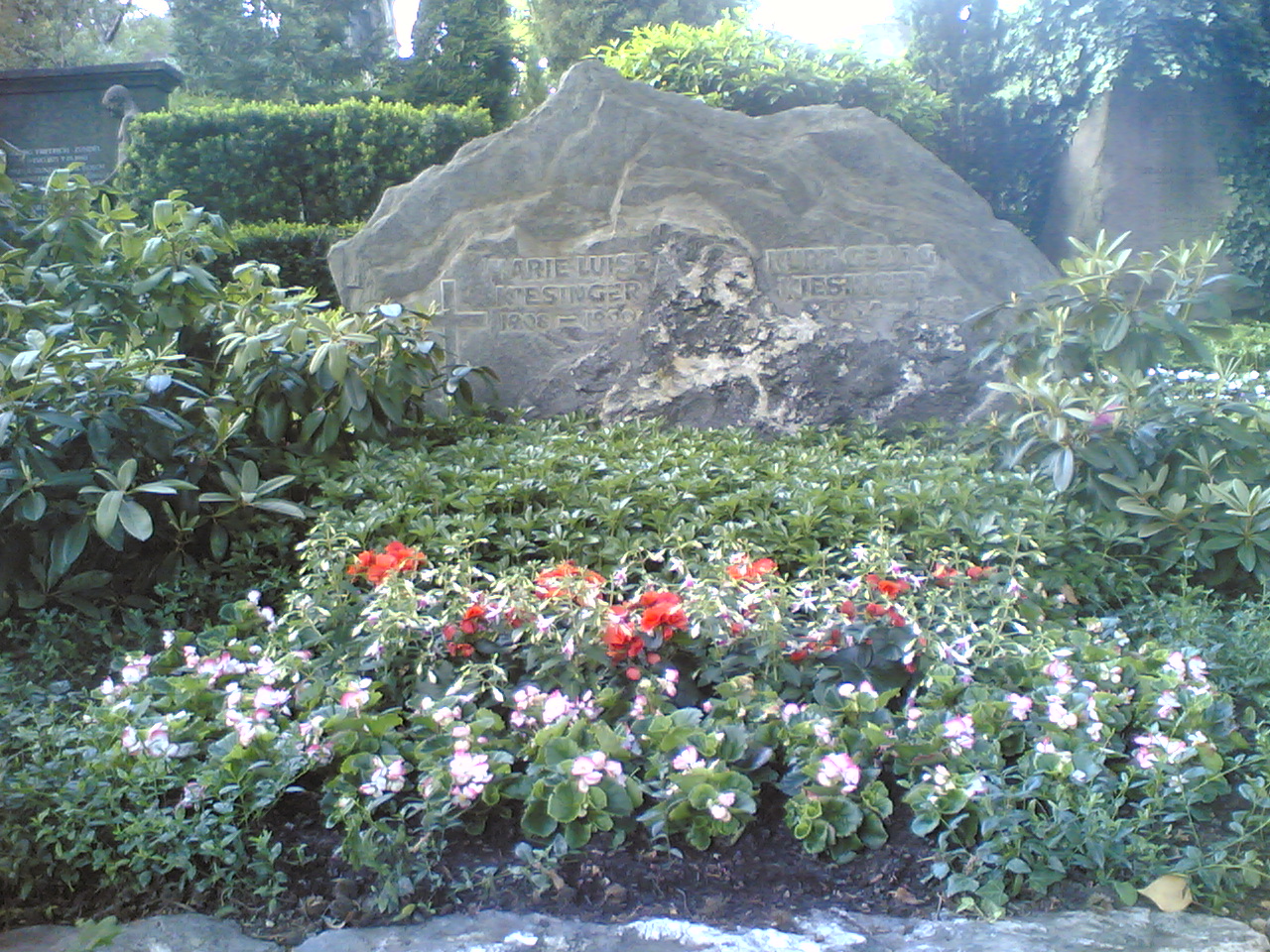


Early life and education
Kiesinger was raised in southern Germany and pursued higher studies in the humanities and law. He studied history and philosophy at the University of Tübingen and later completed legal studies in Berlin, where he qualified for the civil service. His academic background informed a measured, pragmatic approach to politics that marked his later public life. The combination of humanities and legal training shaped his administrative career in the years before 1945.
Nazi-era employment and postwar internment
In 1933 Kiesinger joined the National Socialist German Workers’ Party (NSDAP) and subsequently held positions within the state administration. After 1945 he was detained by Allied authorities; he spent time in an internment facility at Ludwigshafen while investigators reviewed his wartime record. Contemporary records and later de‑nazification proceedings noted that, unlike some colleagues, he was not formally implicated in orchestrating anti‑Jewish measures and that there were indications he had resisted certain discriminatory actions within his department. These findings led to his release and allowed him to enter postwar public life, a process that remained controversial and under public scrutiny.
Postwar political career
After the war Kiesinger joined the CDU and rebuilt a political career at the state and national levels. He became Minister-President of Baden‑Württemberg in 1958 and held that office until 1966. At the federal level he led a grand coalition government as Chancellor from 1966 to 1969, combining the CDU/CSU with the Social Democratic Party (SPD). During this period his cabinet pursued economic stabilization measures and managed social policy challenges amid shifting international tensions. In 1967 he was elected leader of the CDU, a post he kept until 1971.
Major offices and responsibilities
- Minister-President of Baden‑Württemberg (1958–1966)
- Chancellor of the Federal Republic of Germany (1966–1969)
- Chairman of the Christian Democratic Union (1967–1971)
Controversies and public reaction
Kiesinger’s earlier membership in the NSDAP became a focal point for critics, especially during the late 1960s student movement, which protested perceived continuities between the old elite and the new Federal Republic. While supporters emphasized his administrative competence and commitment to democratic institutions, opponents highlighted the moral and political difficulties of integrating former Nazi members into postwar governance. These debates exemplify wider German efforts to confront recent history while reconstructing democratic governance.
Legacy
Kiesinger is remembered as a transitional figure: a conservative administrator who helped guide West Germany through economic and political challenges of the 1960s but whose past required public reckoning. Historians assess him in varied terms—some as a stabilizing politician of compromise, others as a reminder of the complexities of denazification and the political reconstruction of Germany. For further reading on his life, career and the debates surrounding his record, consult contemporary biographies and studies of postwar German politics and political history. Additional context on his formative years and studies is available through resources on the universities in Berlin and Tübingen.
Questions and answers
Q: Who was Kurt Georg Kiesinger?
A: Kurt Georg Kiesinger was a German politician who served as Chancellor of West Germany from 1966 to 1969.
Q: When and where was Kiesinger born?
A: Kiesinger was born on April 6, 1904 in Ebingen, which is now part of the German state of Baden-Württemberg.
Q: What did Kiesinger study in university?
A: Kiesinger studied history and philosophy in Tübingen, and later studied law in Berlin.
Q: When did Kiesinger join the Nazi party?
A: Kiesinger joined the Nazi party in 1933.
Q: What did Kiesinger do for the government during his time in the Nazi party?
A: It is not specified what Kiesinger did for the government during his time in the Nazi party.
Q: When was Kiesinger released from a prison camp?
A: Kiesinger was released from a prison camp after the war, when notes on his personnel file showed that he had not helped anti-Jewish actions in his department and had tried to stop them.
Q: What political positions did Kiesinger hold before becoming Chancellor?
A: Before becoming Chancellor, Kiesinger was Minister President of Baden-Württemberg from 1958 to 1966, and Chair of the CDU from 1967 to 1971.
Related articles
Author
AlegsaOnline.com Kurt Georg Kiesinger: German statesman and chancellor (1904–1988) Leandro Alegsa
URL: https://en.alegsaonline.com/art/54674