
Kreuzlingen (Thurgau, Switzerland)
Kreuzlingen is a lakeside municipality in Thurgau, Switzerland, bordering Konstanz (Germany). It is the canton's second largest city, known for its cross-border ties, lakeshore promenade and municipal history.
Overview
Kreuzlingen is a municipality in the district of Kreuzlingen in the canton of Thurgau. Located on the Swiss shore of Lake Constance, it forms a continuous urban area with the German city of Konstanz and is an important local centre for commerce and services. Administratively it is the second largest city of the canton, after Frauenfeld, with a population of over 18,000. Information about the town as a local government unit can be found via the municipal portal at Kreuzlingen municipality.
Image gallery
10 Images



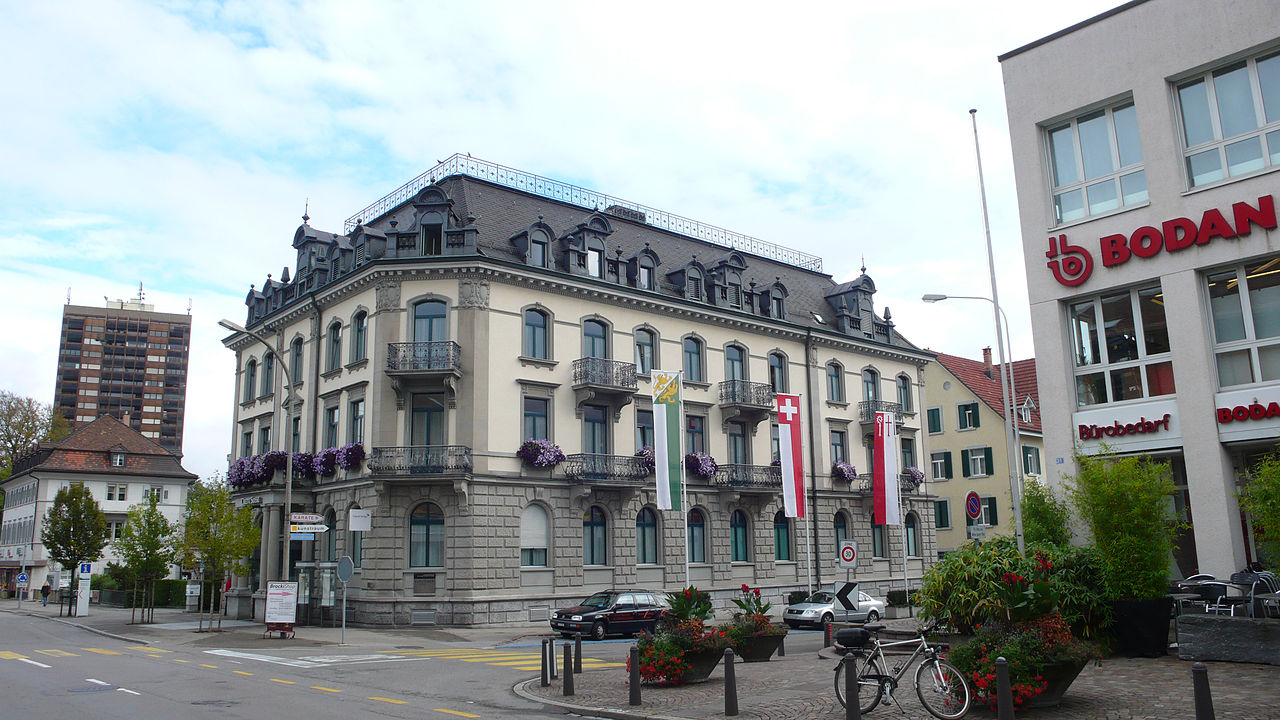

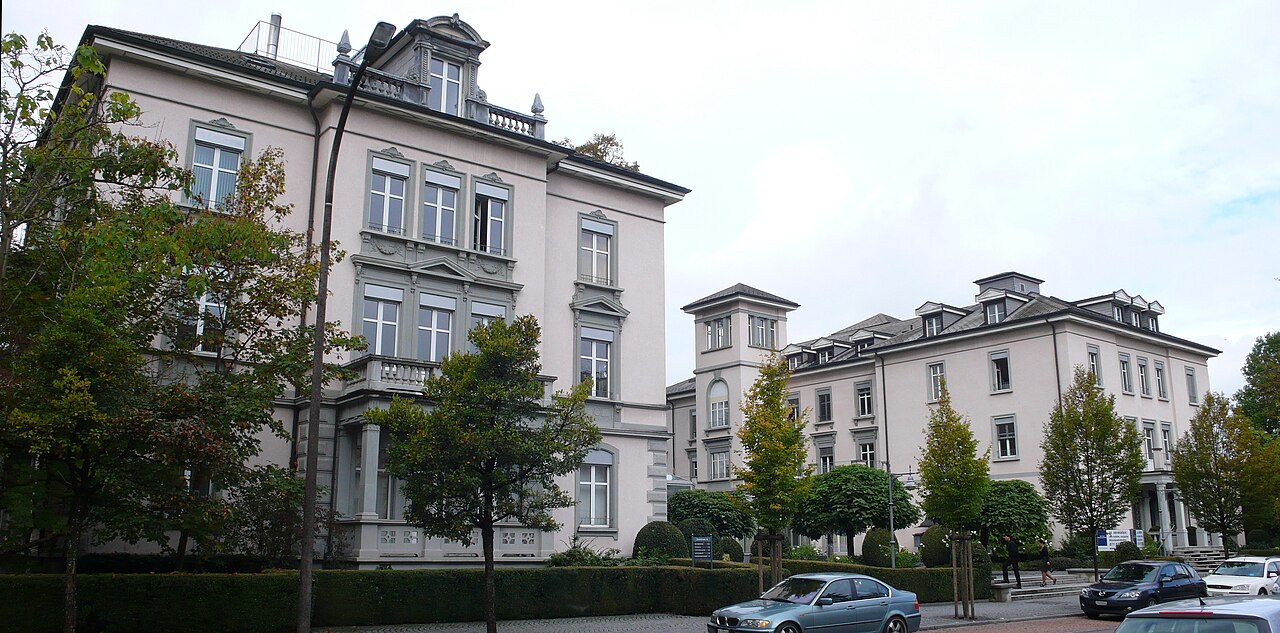
Location and characteristics
Kreuzlingen occupies a lakeside position that shapes much of its identity: a lakeshore promenade, public parks and waterside leisure activities are visible features. The town is part of the Swiss federal state of Switzerland and German is the primary language of daily life. Its urban fabric includes former villages and neighbourhoods that have become suburbs of the town; transport links by road and rail connect Kreuzlingen with regional hubs and with neighbouring Germany, encouraging cross-border commuting and trade.
Origins and development
The settlement developed historically around a religious foundation and a crossing point on the lake shore. In the 19th century the municipality known as Egelshofen adopted the name Kreuzlingen (renamed in 1874) as the modern town grew. Further expansion came with the incorporation of neighbouring communities: Kurzrickenbach was added in 1927 and Emmishofen in 1928, shaping the present municipal boundaries.
Economy, culture and daily life
Local economic life blends retail, services and tourism. Kreuzlingen benefits from visitors attracted to the lake, walking routes and green spaces, and from shoppers and workers who cross the border from Germany. Cultural life includes small museums, community events and seasonal festivals; public amenities and sports facilities serve both residents and visitors. The town also acts as a gateway for excursions on Lake Constance and for cross-border cultural exchange with Konstanz.
Notable aspects and civic role
Distinctive features of Kreuzlingen are its borderland situation and its role as a junction between Swiss and German urban areas. It functions as a municipal centre within the district of Kreuzlingen and the canton of Thurgau, with local administration, schools and community services that serve a broader hinterland. The town is often cited in regional planning and cross-border cooperation initiatives because of its contiguous urban fabric with Konstanz.
Quick facts
- Country: Switzerland
- Canton: Thurgau
- District: Kreuzlingen
- Urban neighbours: Konstanz (Germany) and surrounding Swiss communities
- Historic notes: renamed from Egelshofen in 1874; expanded in the 1920s
Questions and answers
Q: Where is Kreuzlingen located?
A: Kreuzlingen is a municipality in the district of Kreuzlingen in the canton of Thurgau in Switzerland.
Q: What is the population of Kreuzlingen?
A: The population of Kreuzlingen is over 18,000.
Q: When was Egelshofen renamed to Kreuzlingen?
A: Egelshofen was renamed to Kreuzlingen in 1874.
Q: What other municipalities were added to form present day Kreuzlingen?
A: Kurzrickenbach and Emmishofen were added to form present day Kreuzlingen in 1927 and 1928 respectively.
Q: Is Frauenfled larger than Kreuzlingan?
A: Yes, Frauenfled is the largest city of the canton with a population greater than that of Kreuzlinagen.
Q: How many municipalities are part of present day Krezulingan?
A: Three municipalities are part of present day Krezulingan - Egelshofem, Kurzricknebach, and Emmishofem.
Related articles
Author
AlegsaOnline.com Kreuzlingen (Thurgau, Switzerland) Leandro Alegsa
URL: https://en.alegsaonline.com/art/54444
Sources
- bfs.admin.ch : "Arealstatistik Standard - Gemeinden nach 4 Hauptbereichen"
- bfs.admin.ch : "Ständige Wohnbevölkerung nach Staatsangehörigkeitskategorie Geschlecht und Gemeinde; Provisorische Jahresergebnisse; 2018"