
Kratié province: Mekong landscapes, freshwater dolphins, and rural Cambodia
Kratié is a northeastern Cambodian province along the Mekong River, noted for its riverine landscapes, Irrawaddy dolphins, agriculture, and a mix of rural towns and protected areas.
Kratié (also spelled Kraches or Kracheh) is a province in northeastern Cambodia centered on the Mekong River. Its administrative capital shares the same name: Kratié town. The province combines riverine floodplains, lowland forests and small urban centers, and is known for both traditional agriculture and river-centred livelihoods.
Image gallery
9 Images


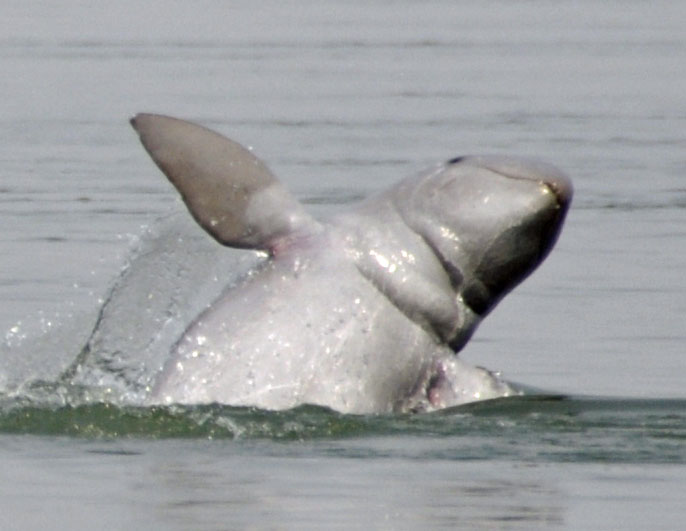

Geography and natural features
The Mekong River flows from north to south through the province, providing about 140 km of navigable waterway within Kratié's borders. The river and its seasonal floodplain support fishery resources, migratory birds and one of the few remaining populations of freshwater Irrawaddy dolphins in Cambodia. Riverside islands and sandbars are characteristic features of the landscape.
Administration and settlements
Kratié's local government is divided into a municipality and several districts. Administratively it comprises one municipality and five districts, which include urban, peri-urban and largely rural communes. For an official list and administrative details see the provincial overview here or consult regional maps and census summaries at provincial portals such as provincial resources.
Economy, livelihoods and culture
The provincial economy is dominated by rice cultivation, freshwater fishing and small-scale trade. Local communities depend on seasonal floods for planting and fishing cycles. Traditional crafts and market towns around the capital support the rural economy, while growing interest in ecotourism brings visitors to see river dolphins and birdlife.
Conservation, threats and tourism
Kratié is important for conservation because of its Irrawaddy dolphin population. These dolphins are vulnerable to threats such as river traffic, fishing gear, habitat fragmentation and upstream water development. Local and international conservation groups, together with Cambodian authorities, run monitoring and community education programs to reduce risks. Visitors often take boat trips from Kratié town to observe dolphins and to learn about river ecology; responsible operators emphasize low-impact viewing and local livelihood benefits. Additional information on the Mekong and riverine ecology can be found at regional resources like Mekong studies.
- Key features: Mekong river corridor, seasonal floodplains, freshwater dolphins
- Main activities: rice farming, fishing, local markets, emerging ecotourism
- Administration: one municipality + five districts (administrative source)
Historically, Kratié was part of the states and polities that shaped mainland Southeast Asia and later integrated into French Indochina before Cambodia's modern national development. Today it remains a largely rural province where river ecology and traditional livelihoods continue to shape daily life.
Questions and answers
Q: What is Kratié?
A: Kratié is a province in Cambodia.
Q: What is the capital city of Kratié province?
A: The capital city of Kratié province is named Kratié.
Q: What other names are used to refer to Kratié province?
A: Kraches or Kracheh are also used to refer to Kratié province.
Q: What river flows through Kratié province?
A: The Mekong River flows from the north to the south of Kratié province.
Q: How much of the Mekong River is in Kratié?
A: About 140 km of the Mekong River is in Kratié.
Q: What animals are found in the Mekong River in Kratié?
A: Irrawaddy dolphins, fish, and birds are found in the Mekong River in Kratié.
Q: How many districts and municipalities are in Kratié province?
A: There are 5 districts and 1 municipality in Kratié province.
Related articles
Author
AlegsaOnline.com Kratié province: Mekong landscapes, freshwater dolphins, and rural Cambodia Leandro Alegsa
URL: https://en.alegsaonline.com/art/54420