
Komodo National Park
Indonesian national park spanning islands in the Lesser Sunda chain, established to protect the Komodo dragon and associated marine and terrestrial ecosystems; a UNESCO World Heritage Site since 1991.
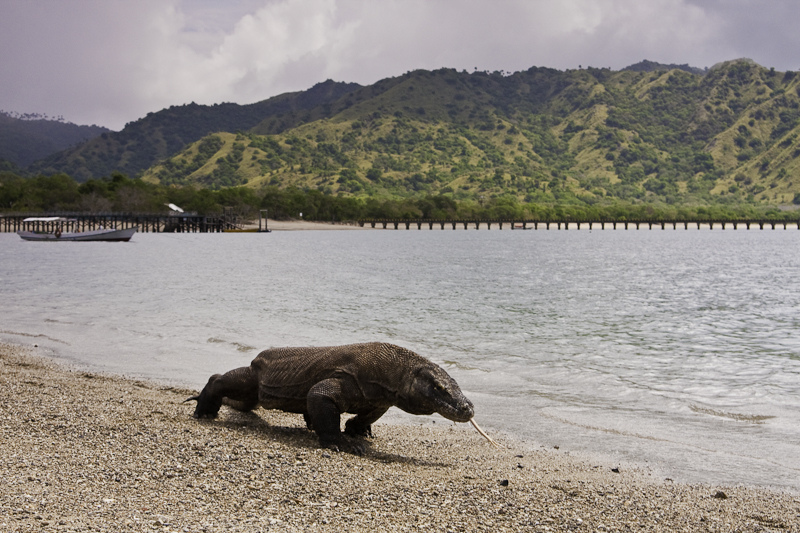
Komodo National Park is a protected area in eastern Indonesia that conserves a distinctive island-seascape in the Lesser Sunda Islands. The park encompasses several larger islands, including Komodo, Padar and Rinca, together with many smaller islets. Its total area is commonly given as about 1,733 km², of which roughly 603 km² is land; the remainder comprises surrounding marine waters and reefs. The park was created primarily to protect the Komodo dragon and now protects a wider range of terrestrial and marine biodiversity. For official information consult the park authority.
Image gallery
10 Images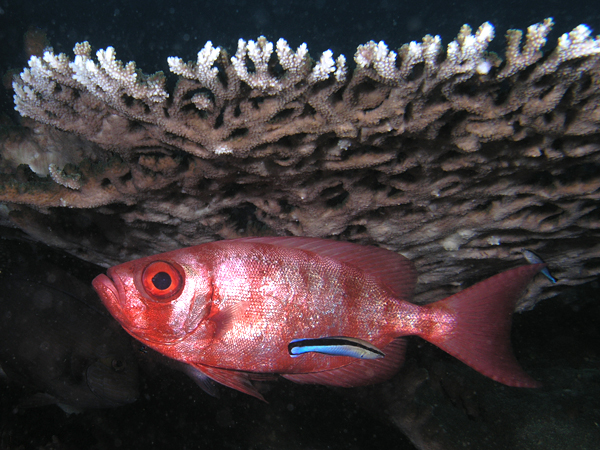





Location and geography
The park lies in the biogeographical transition between the provinces of East Nusa Tenggara and West Nusa Tenggara. Its islands show varied topography, including low hills, dry savannah, seasonal forest and steep shoreline. Offshore, deep channels and coral reefs create strong currents and high marine productivity, supporting diverse fish, invertebrate and marine mammal communities.
History and protected status
Established in 1980, the protected area focused on preventing the decline of the Komodo dragon and conserving its habitat. Management objectives broadened over time to include coral reef conservation, fisheries management and support for local livelihoods. In recognition of its global values the park was inscribed by UNESCO as a World Heritage Site in 1991, reflecting both terrestrial and marine significance.
Ecology and notable species
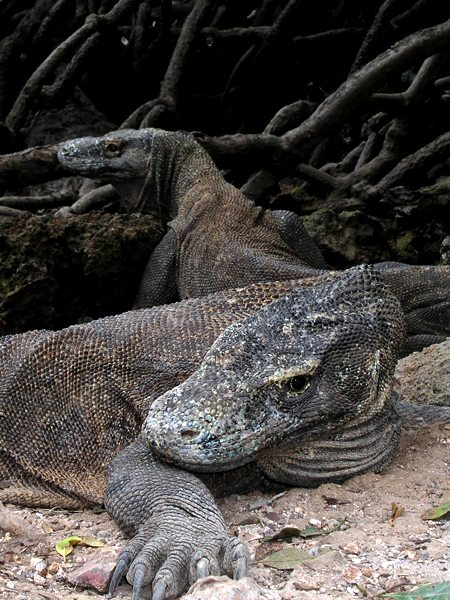
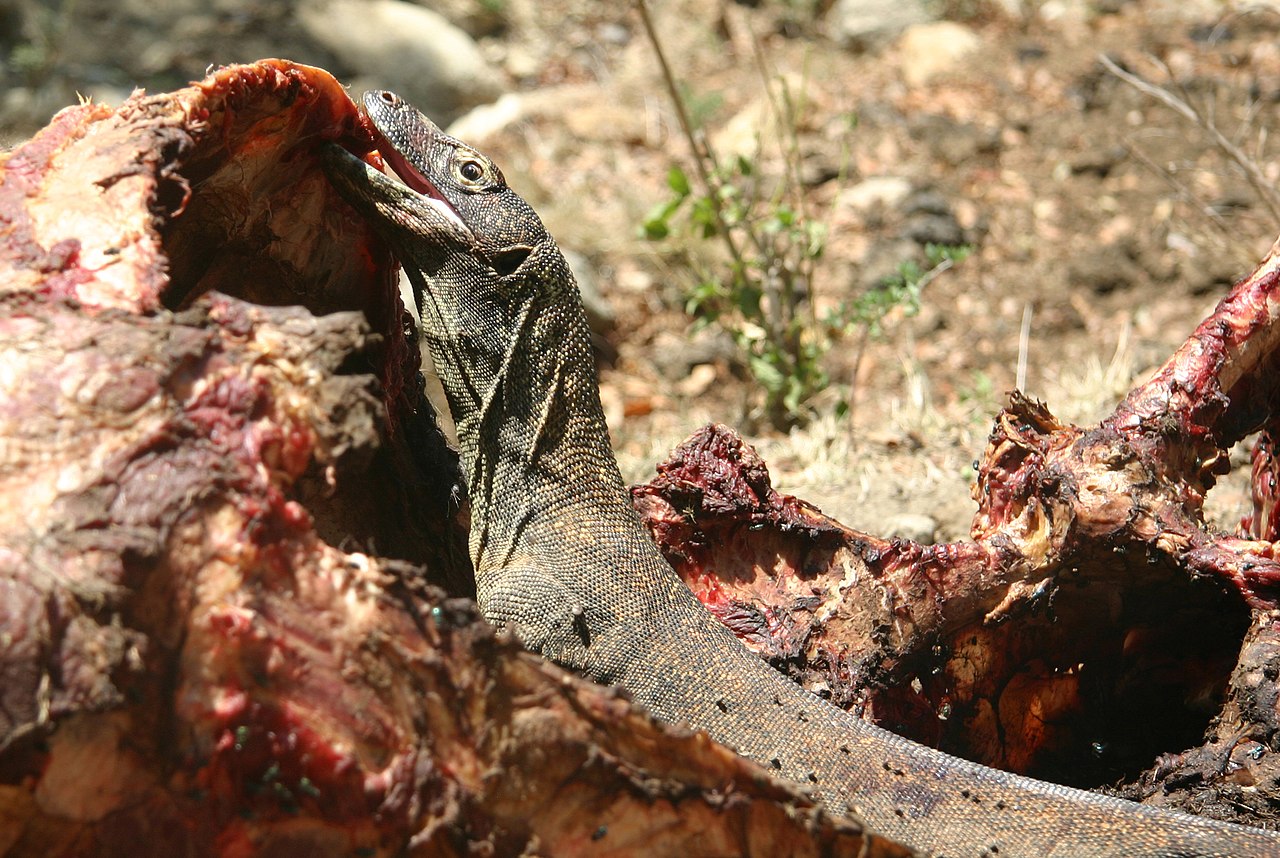
Terrestrial ecosystems support Komodo dragons, various deer and small mammals, and a range of birds adapted to dry conditions. Marine habitats include coral reefs, seagrass beds and mangroves that provide nursery and feeding areas for reef fish, manta rays, turtles and other pelagic species. The park is important for species conservation and for studies of island biogeography and marine ecology.
Threats, management and tourism
Main threats include habitat modification, illegal fishing, unsustainable tourism pressure and potential human-wildlife conflict. Park management emphasizes regulated access, guided visits, community-based conservation and monitoring. Tourism provides vital income for nearby communities but requires careful planning to minimise ecological impacts. Research, education and international collaboration continue to support the park's conservation goals.
Significance
- Globally recognised for protecting the Komodo dragon and its island habitat.
- Important example of integrated terrestrial and marine conservation in the Lesser Sunda Islands region.
- Ongoing efforts aim to balance biodiversity protection with sustainable development and cultural values of local communities.
Further reading and visitor guidance are available from the park administration and regional authorities; consult official and local sources for up-to-date regulations and access requirements (see official park, provincial pages for East Nusa Tenggara and West Nusa Tenggara).
Questions and answers
Q: What is the Komodo National Park?
A: The Komodo National Park is a national park in Indonesia that is located on several islands in the Lesser Sunda Islands.
Q: What are the names of the three larger islands within the park?
A: The three larger islands within the park are Komodo, Padar and Rincah.
Q: How many smaller islands are included in the park?
A: The park includes 26 smaller islands for a total area of 1,733 km², with 603 km² of it being land.
Q: When was the national park founded?
A: The national park was founded in 1980 to protect the Komodo dragon.
Q: What is the Komodo dragon?
A: The Komodo dragon is the world's largest lizard.
Q: What other species does the park protect?
A: Later, the park began to protect other species, including some in the ocean.
Q: Did the park receive any recognition for its conservation efforts?
A: Yes, in 1991, the national park was named a UNESCO World Heritage Site.
Related articles
Author
AlegsaOnline.com Komodo National Park Leandro Alegsa
URL: https://en.alegsaonline.com/art/54189
Sources
- dephut.go.id : Ministry of Forestry: Komodo NP
- whc.unesco.org : UNESCO: Advisory Body Evaluation
- new7wonders.com : New 7 Wonders of the world