
Kingsley Amis (1922–1995): English novelist, poet and critic
Overview of Sir Kingsley Amis: life, major works (including Lucky Jim and The Old Devils), themes, contributions to fiction, poetry and criticism, and his lasting influence on British letters.
Overview
Sir Kingsley William Amis (16 April 1922 – 22 October 1995) was a prominent English writer best known for his comic novels and wide-ranging work as a poet and critic. He rose to public attention in the 1950s with a novel that helped define a new strand of post‑war British fiction and went on to publish more than twenty novels, several collections of poetry, short stories and numerous works of literary and social criticism. His career also included scripts for radio and television and occasional teaching and academic work.
Image gallery
1 Image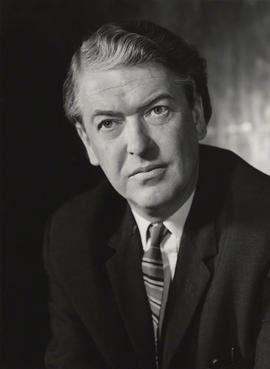
Life and career
Amis trained in English as a student and began publishing fiction and verse in the years after the Second World War. His breakthrough novel combined farce and social satire to lampoon academic pretension and the aspirations of a younger generation, bringing both popular success and critical attention. Over subsequent decades he continued to write in a recognisably sharp, often comic voice while experimenting with different forms and tones, from ghostly tales to more reflective late novels. For concise background and biographical details see biographical overview and a summary of his poetry.
Themes and style
Amis is widely associated with realist comedy that targets social manners, professional hypocrisy and masculine anxieties. His protagonists are frequently unsentimental anti‑heroes, and his prose is noted for its directness, verbal energy and ironic perspective. Critics have discussed his work in relation to mid‑century movements in British literature; for commentary on his critical reputation consult literary criticism and his own volumes of critical essays.
Major works and other writing
Among Amis's best known novels are the comic campus satire that brought him fame and a later, more mature novel that was awarded a major literary prize. He also produced collections of verse, short fiction and pieces for broadcast media. He wrote books on social themes and on the craft of fiction; further reading on his novels and their contexts can be found at novels, poetry collections and short stories.
- Notable titles: early comic breakthrough, a celebrated later novel that won critical honors, and a supernatural novel often cited for its atmosphere. See lists of works at works list and selected bibliography.
- Other forms: radio and television scripts and standalone essays; samples available via broadcasts and essays.
Reception and legacy
Amis's influence on post‑war British fiction has been substantial: his early comic novel helped set a tone for social satire, and his later achievements reinforced his standing as a major literary figure. He was a public intellectual whose views and personal life attracted attention; his relationship with his son, the novelist Martin Amis, also figured in discussions of literary family dynasties. For contemporary assessments and archival material see critical resources and further reading.
Questions and answers
Q: Who was Kingsley Amis?
A: Kingsley Amis was an acclaimed English novelist, poet, critic, and teacher.
Q: How many novels did Kingsley Amis write?
A: Kingsley Amis wrote more than twenty novels.
Q: Did Kingsley Amis write any poetry?
A: Yes, Kingsley Amis wrote three collections of poetry.
Q: Besides novels and poetry, what other kinds of writing did Kingsley Amis do?
A: In addition to novels and poetry, Kingsley Amis also wrote short stories, radio and television scripts, and books of social and literary criticism.
Q: Who was Kingsley Amis' son?
A: Kingsley Amis' son was the British novelist Martin Amis.
Q: When was Kingsley Amis born?
A: Kingsley Amis was born on April 16, 1922.
Q: When did Kingsley Amis pass away?
A: Kingsley Amis passed away on October 22, 1995.
Related articles
Author
AlegsaOnline.com Kingsley Amis (1922–1995): English novelist, poet and critic Leandro Alegsa
URL: https://en.alegsaonline.com/art/53654