
Kinderszenen (Scenes from Childhood), Op. 15 — Schumann's piano character pieces
Kinderszenen, Op. 15, is a cycle of 13 short piano pieces by Robert Schumann (published 1838). Evoking childhood moods, it includes the famous Träumerei and remains central to Romantic piano repertoire.
Overview
Kinderszenen (originally spelled Kinderscenen and translated as "Scenes from Childhood") is a set of thirteen brief piano pieces composed by Robert Schumann and published in 1838 as Op. 15. The collection captures a series of impressionistic, nostalgic vignettes that suggest aspects of childhood rather than narrate a continuous story. One movement, No. 7, Träumerei, has become one of the most widely recognized short works in the piano repertoire.
Image gallery
2 Images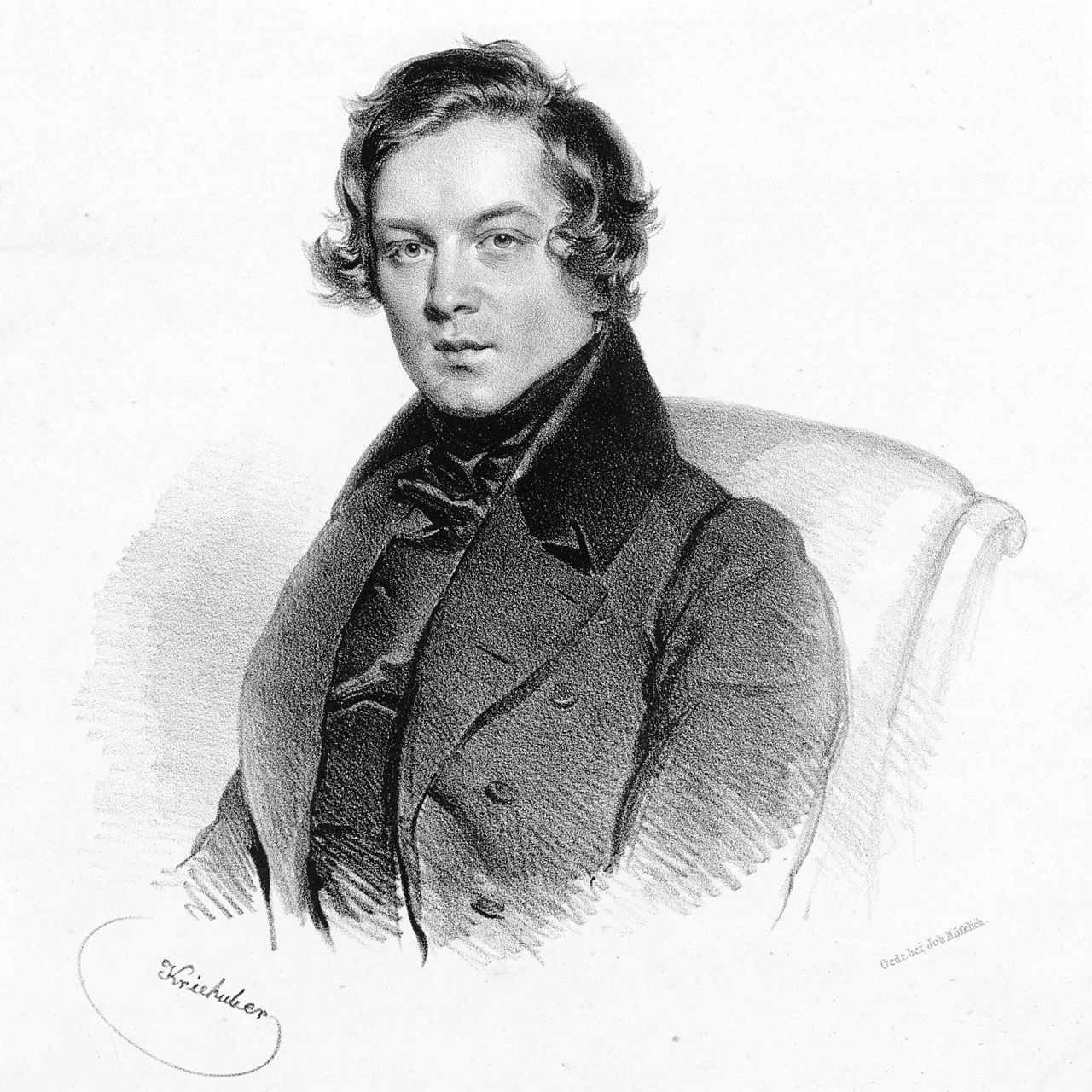

Structure and contents
The published set contains 13 movements, each given a short German title (many commonly translated into English). Schumann first wrote a much larger group of pieces—reportedly about thirty—and selected thirteen for Op. 15; several of the unused numbers later appeared in other collections such as Bunte Blätter and Albumblätter. The titles were added after the music was written and, in Schumann's own words, serve as "nothing more than delicate hints for execution and interpretation." The movements are:
- Von fremden Ländern und Menschen — Of Foreign Lands and People
- Curiose Geschichte — Curious Story
- Hasche-Mann — Playful Chase
- Bittendes Kind — Pleading Child
- Glückes genug — Happy Enough
- Wichtige Begebenheit — Important Event
- Träumerei — Dreaming
- Am Kamin — At the Fireside
- Ritter vom Steckenpferd — Knight of the Hobbyhorse
- Fast zu ernst — Almost Too Serious
- Fürchtenmachen — Making a Scene of Fright
- Kind im Einschlummern — Child Falling Asleep
- Der Dichter spricht — The Poet Speaks
Musical characteristics
Kinderszenen belongs to the Romantic genre of the "character piece": short, self-contained compositions that convey a mood or image. The textures are generally transparent and pianistically idiomatic, with lyrical melody lines, frequent use of simple harmonies and subtle shifts in rhythm and rubato. The overall technical demands vary: some movements are deliberately modest and pedagogical in character while others require refined control of tone, phrasing and voicing.
History and publication
Schumann initially titled the project Leichte Stücke ("Easy Pieces"), reflecting part of his intent to write music accessible to amateur pianists and students as well as concert performers. After selecting thirteen pieces for the published set, he appended expressive titles that guide interpretation without dictating literal images. Scholars such as Timothy Taylor have examined these titles in the broader context of nineteenth‑century musical culture and the changing marketplace for music. It has also been noted (for example by Eric Sams) that no single complete manuscript of the set is known to survive, complicating some questions about compositional chronology and revision.
Reception, influence and uses
From its first appearances Kinderszenen found a secure place in recitals and teaching studios. Its intimate scale and immediate expressive appeal make it popular with pianists at many levels. Träumerei in particular has been widely recorded, transcribed and used in film and media as a musical emblem of nostalgia or peaceful reverie. The set remains a staple of nineteenth‑century piano literature and an accessible entry point to Schumann's voice within the Romantic tradition.
Notable facts
- Schumann regarded the printed titles as interpretive cues rather than programmatic narratives.
- Several pieces omitted from the Op. 15 selection later appeared in collections such as Bunte Blätter and Albumblätter.
- For further reference on the work and its place in Schumann's output see general catalogues and scholarly treatments of Schumann's piano music or consult editions of Kinderszenen.
Questions and answers
Q: What is Kinderszenen?
A: Kinderszenen is a set of 13 pieces for solo piano composed by Robert Schumann and published in 1838.
Q: How many movements were originally written for Scenes from Childhood?
A: Schumann had originally written 30 movements for Scenes from Childhood.
Q: What was the original title of the work?
A: The original title of the work was Leichte Stücke (English: Easy Pieces).
Q: When were the titles for the individual pieces added?
A: The titles for the individual pieces were only added after the music was complete.
Q: What did Schumann describe as "nothing more than delicate hints for execution and interpretation"?
A: Schumann described the titles as "nothing more than delicate hints for execution and interpretation".
Q: In what context has Timothy Taylor discussed Schumann's choice of titles?
A: Timothy Taylor has discussed Schumann's choice of titles for this work in the context of the changing situation of music in 19th century culture and economics.
Q: Is there a known complete manuscript of Kinderszenen?
A: No, there is no known complete manuscript of Kinderszenen.
Related articles
Author
AlegsaOnline.com Kinderszenen (Scenes from Childhood), Op. 15 — Schumann's piano character pieces Leandro Alegsa
URL: https://en.alegsaonline.com/art/53512
Sources
- doi.org : 10.2307/893060
- jstor.org : 837021
- doi.org : 10.2307/837021
- doi.org : 10.2307/955016
- jstor.org : 955016
- imdb.com : Träumerei
- youtube.com : Träumerei played by Katharine Hepburn in the movie Song of Love