
Kim Gu (Baekbeom): Leader of Korea's independence movement
Biography of Kim Gu (1876–1949), known as Baekbeom: independence activist, three-time president of the Provisional Government, advocate of Korean unity, and a key figure in modern Korean history.
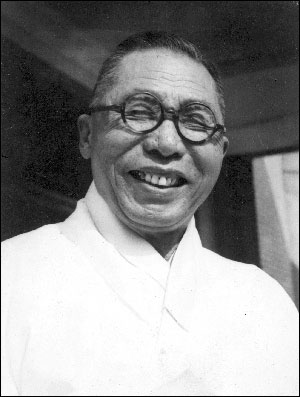
Kim Gu (Korean name often written 김구) was a central figure in Korea's struggle against Japanese colonial rule and a prominent nationalist politician. Born in 1876, he became widely known by his pen name Baekbeom. Over several decades of exile and political organizing he emerged as one of the most influential leaders of the Korean independence movement and later shaped debates about the nation's postwar future.
Image gallery
10 Images



Early activism and exile
Kim first gained experience in armed and political resistance during the late Joseon and early colonial periods. Opposition to Japanese imperialism pushed many Korean activists into exile; Kim spent long periods abroad where he helped to coordinate military units, fund-raising, and diplomatic efforts. During this time he combined direct action with a conviction that Koreans needed unified leadership and moral purpose.
Leadership in the Provisional Government
In exile Kim held top positions in the Provisional Government of the Republic of Korea, serving multiple terms as its president and occupying other senior posts such as prime minister and interior minister. He is remembered for attempts to consolidate different independence groups into a single organization and for advocating international recognition of Korea's claim to sovereignty. His political role is often summarized in lists of offices and responsibilities:
- President of the Provisional Government (served three times)
- Prime Minister and senior cabinet roles (1920s)
- Organizer and spokesperson for the broader independence effort
Ideas, writings, and legacy
Kim Gu combined nationalism with a moral vocabulary stressing sacrifice, self-reliance, and national unity. He left diaries and memoirs that remain important primary sources for scholars and the public; these texts convey his strategic thinking and personal convictions. His insistence on reunification and a single Korean state made him a symbolic opponent of partition during the immediate postwar years.
Return to Korea and assassination
After Korea's liberation in 1945 Kim returned and engaged in politics during a turbulent period when competing domestic and international interests shaped the peninsula's division. He campaigned for national unity and opposed arrangements that, in his view, institutionalized division between North and South. In 1949 he was assassinated, an event that cut short his efforts and remains a focal point for discussion about the early Republic of Korea's unsettled politics; questions about motive and responsibility have been debated by historians.
Significance and remembrance
Today Kim Gu is widely regarded in Korea as a patriotic leader and a symbol of the independence movement; public memory emphasizes both his organizational achievements and his moral stance. He is often referenced in discussions about national identity, reunification, and the costs of colonial rule. For further context on language and historical terms see entries on politician, Hangul, and broader studies of imperialism and reunification efforts (Japanese era studies). Additional resources: independence movement overviews and biographical collections (activist histories).
Questions and answers
Q: Who is Kim Gu?
A: Kim Gu was a Korean independence activist and politician who served as the President of the Provisional Government of the Republic of Korea three times.
Q: What was Kim Gu's role in the Korean independence movement?
A: Kim Gu was the leader of the Korean independence movement against Japanese Imperialism.
Q: What other positions did Kim Gu hold in his political career?
A: Kim Gu served as the Prime Minister from 1921 to 1927 and as the Interior Minister of Provisional Government of the Republic of Korea from 1923 to 1924.
Q: What was Kim Gu's pen name?
A: Kim Gu's pen name was Baekbeom.
Q: How many times did Kim Gu serve as President of the Provisional Government of the Republic of Korea?
A: Kim Gu served as the President of the Provisional Government of the Republic of Korea three times.
Q: When was Kim Gu born and when did he die?
A: Kim Gu was born on July 11, 1876 and died on June 26, 1949.
Q: What is Kim Gu's legacy?
A: Kim Gu is a well-respected person to many Korean people and is known for his role as an independence activist and reunification activist in the Korean independence movement against Japanese Imperialism.
Related articles
Author
AlegsaOnline.com Kim Gu (Baekbeom): Leader of Korea's independence movement Leandro Alegsa
URL: https://en.alegsaonline.com/art/53445
Sources
- 100.naver.com : Definition in Knowledge Encyclopedia (in Chinese)