
Kilkenny: history, architecture and cultural life of a small Irish city
Kilkenny is a small medieval city in southeast Ireland, known for its castle, medieval streets, cathedral, and vibrant cultural calendar. This article covers its history, landmarks, governance and cultural life.
Overview
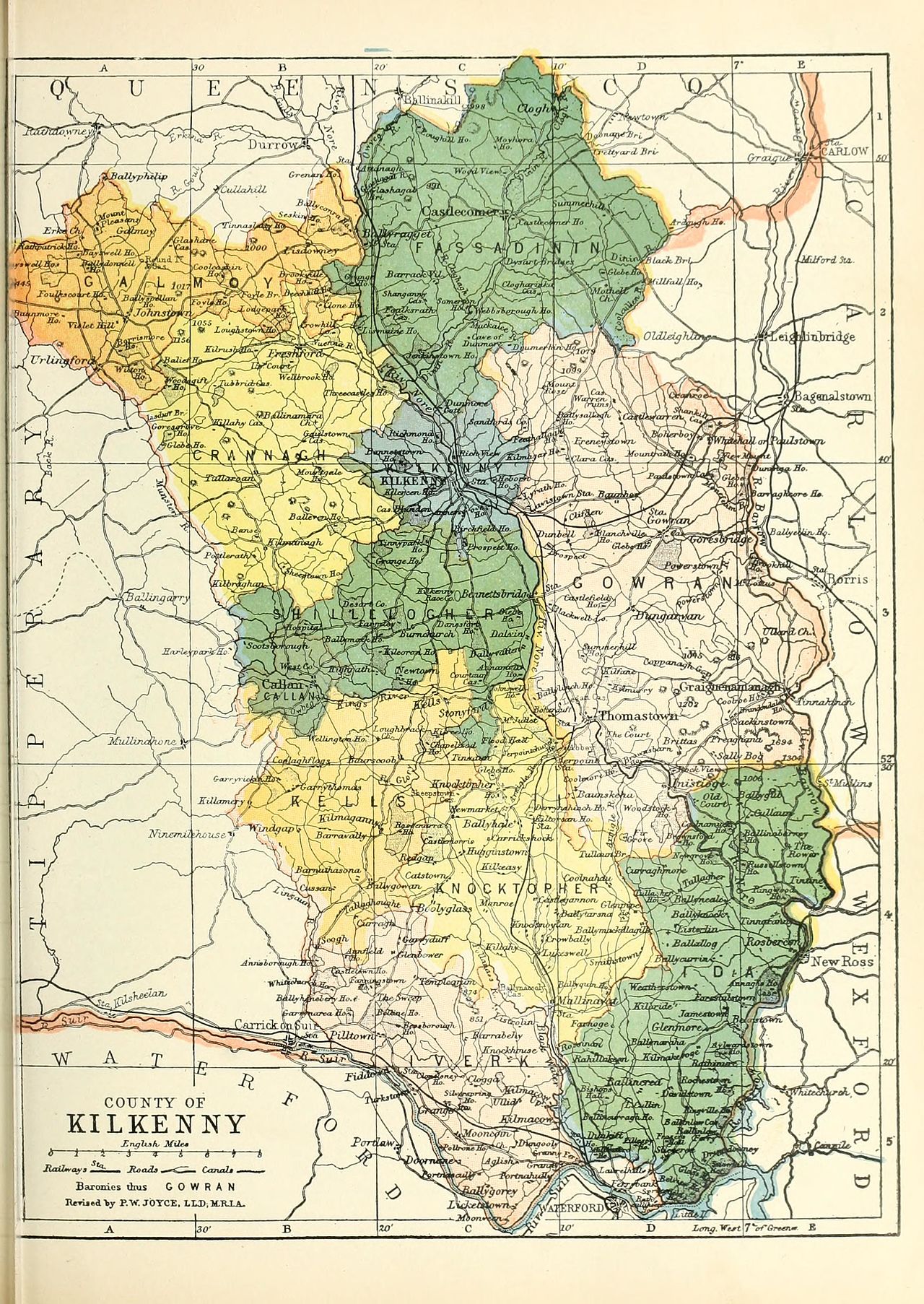
Kilkenny (Irish: Cill Chainnigh, meaning "Church of Cainneach") is the county town and administrative centre (seat) of County Kilkenny in Ireland. Located on both banks of the River Nore in the historic province (province) of Leinster, the city combines a long medieval core with later Georgian and Victorian additions. Kilkenny is small by international standards—often described as Ireland's smallest city—with a municipal population of roughly 25,000 when surrounding suburbs are included. It is famed for its well-preserved streetscape, civic buildings and a strong cultural identity.
Image gallery
10 Images


Origins and historical development
Kilkenny's origins lie in an early medieval monastic foundation attributed to Saint Cainneach (Canice) in the 6th century; the placename literally means the saint's church. It later became the chief settlement of the kingdom of Ossory and developed as an important market and administrative centre. In the later Middle Ages the town grew under Norman influence and fortified families built houses and a castle that controlled trade and local government. Kilkenny was granted city status by royal charter in the 17th century and was the seat of Confederate Ireland during the 1640s, when it functioned briefly as a national capital.
Government and population
The city is administered through a local council structure centred on a ceremonial Mayor and municipal governing body. The modern administrative area does not encompass the whole of the local urban footprint, so many residents live beyond the borough boundary. Kilkenny also has long-standing ecclesiastical importance: it is the seat of the Roman Catholic Bishop of Ossory and hosts a Church of Ireland presence, reflected in the cathedral and parochial structures (Church of Ireland).
Architecture, landmarks and townscape
Kilkenny's townscape is characterised by narrow medieval streets, substantial stone buildings and a number of prominent monuments. The city's best-known landmark is Kilkenny Castle, a large fortified residence overlooking the River Nore whose visible profile dominates the central area. Other notable sites include the medieval St. Canice's Cathedral and round tower, surviving guild and merchant houses, and a compact street pattern that preserves the sense of an historic trading town. Because some local stone resembles polished black marble, Kilkenny has long been nicknamed the "Marble City".
Culture, festivals and economy
Today Kilkenny supports a lively cultural scene with festivals, theatre, contemporary arts and craft traditions that draw tourists and locals alike. Regular events include arts and literary festivals, music programmes and craft markets that emphasise the city's heritage and creative industries. The local economy blends public services, education, tourism, small-scale manufacturing and hospitality; the historic core remains an important draw for visitors seeking medieval architecture, guided tours and local produce.
Visiting and notable facts
- Landmarks: Kilkenny Castle, St. Canice's Cathedral and the medieval mile of streets and lanes.
- Culture: an active calendar of festivals, music venues and craft centres attracts national and international visitors.
- Identity: residents are sometimes colloquially known as "Cats" and the city retains strong civic pride in its history and architecture.
For those planning a visit, Kilkenny offers a compact, walkable core with museums, historic houses and regular cultural programming, making it a leading example of an Irish city where medieval heritage and contemporary life coexist closely.
Further information about the city's history, governance and attractions can be found through local resources and visitor organisations; relevant civic, cultural and historical sites maintain up-to-date practical details and event listings.
External references and civic pages: Cill Chainnigh (Irish name), city seat, County Kilkenny, Ireland, historic province, Leinster, mayoral office, Church of Ireland, Kilkenny Castle.
Questions and answers
Q: What is Kilkenny?
A: Kilkenny is the county town (seat) of County Kilkenny in Ireland.
Q: What is the meaning of "Cill Chainnigh"?
A: "Cill Chainnigh" means "Church of Cainneach" in Irish.
Q: Where is Kilkenny located?
A: Kilkenny is located in the historic province of Leinster in the south-east of Ireland, on both banks of the River Nore.
Q: What type of government is in place in Kilkenny City?
A: Kilkenny City is administered by a borough council and has a Mayor form of government.
Q: How many people live in Kilkenny City?
A: Only 25,000 people live in Kilkenny City, making it the smallest city in the country.
Q: What is Kilkenny famous for?
A: Kilkenny is famous for its medieval buildings and castle, and it has been referred to as the "Marble City" for centuries.
Q: What are people from Kilkenny often referred to as?
A: People from Kilkenny are often referred to as "Cats".
Related articles
Author
AlegsaOnline.com Kilkenny: history, architecture and cultural life of a small Irish city Leandro Alegsa
URL: https://en.alegsaonline.com/art/53378
Sources
- cso.ie : 2011 - Population Classified by Area.pdf "Census 2011 – Volume 1 – Population Classified by Area"