
ARCO (Atlantic Richfield Company): history, operations, and brand
Overview of ARCO (Atlantic Richfield Company), a U.S. oil and retail fuel brand: origins, growth, operations, ownership changes, the ampm chain, and notable distinctions.
Overview
ARCO, originally Atlantic Richfield Company, is a petroleum exploration, refining and retail brand best known in the western United States. The name ARCO traces to a 1966 merger between two early 20th-century regional oil firms. Over the decades ARCO expanded into upstream oil and gas operations, refining and a chain of branded service stations and convenience stores.
Image gallery
4 Images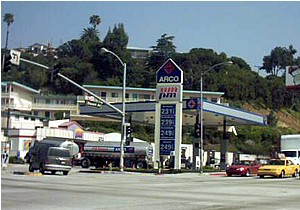


Origins and early history
Two predecessor companies laid the foundations for ARCO. Atlantic Petroleum opened its first retail outlet in 1915 in Pittsburgh, Pennsylvania, while Richfield Oil Company began retail sales in 1917 in Los Angeles, California. These separate regional businesses operated for decades before combining in 1966 to form Atlantic Richfield Company. After merging, ARCO continued to grow through acquisitions and investments in production and refining capacity; one notable acquisition in the late 1960s was the purchase of Sinclair Oil Corporation.
Operations and geographic reach
ARCO's activities have included exploration and production, refining and retailing gasoline and other petroleum products. The brand has been particularly visible in the western United States, where it operated a large network of service stations. International exploration and production work has taken ARCO interests into areas such as Indonesia, the North Sea and the South China Sea. At various times the company has owned hundreds to over a thousand retail sites in the U.S.; for example, it operated more than 1,300 stations in the western U.S. in the early 2010s.
Retail brand and ampm
ARCO combined gasoline sales with a convenience store concept that became known as ampm. The ampm chain was introduced by ARCO in the late 1970s as a convenience retail format adjacent to fuel outlets. These stores emphasized quick-service retail items, snacks and beverages, and became a common sight at ARCO-branded fueling stations. The combination of a value-focused fuel brand with convenient retail services helped establish a recognizable roadside presence.
Corporate changes and ownership
ARCO's corporate structure and brand ownership changed several times in the late 20th and early 21st centuries. The company restructured parts of its business and sold or spun off assets during this period. In the 1980s and 1990s ARCO divested some regional operations, and by 2000 the remaining core western U.S. business was acquired by British Petroleum. Later transactions saw ARCO-branded retail assets and related refineries change hands in the 2010s.
Notable events and distinctions
- ARCO was formed by a prominent mid-20th-century merger and grew by combining regional oil companies and purchasing established competitors.
- The company developed both upstream and downstream operations, balancing exploration and production with refining and retailing.
- ARCO's retail strategy included the ampm convenience format introduced in 1978, which remains associated with the brand.
- The ARCO name and assets have been subject to multiple sales and reorganizations, reflecting wider consolidation trends in the oil industry; these corporate moves are discussed in broader summaries of the firm's corporate history.
For additional context on ARCO's brand and its place in the petroleum industry, consult industry summaries and regional histories of U.S. fuel retailers. Company operations and ownership have continued to evolve, and details about specific transactions and asset ownership are available in corporate filings and business reports.
Related resources: company profile and station listings are often available through industry directories and regional information pages (company overview, station locations). For historical and regional research see resources about ARCO predecessor companies and early 20th-century oil industry developments (ampm history, regional operations).
Further reading and archival materials include entries and documents associated with ARCO's activities in the regions where it operated: North Sea projects, Indonesia ventures, and South China Sea exploration (details).
Additional references and external overviews are available through corporate and public records (Los Angeles origins, California history, Pittsburgh roots).
Questions and answers
Q: What is ARCO?
A: ARCO is a United States oil company.
Q: In how many countries does ARCO have operations?
A: ARCO has operations in four countries: the United States, Indonesia, the North Sea, and the South China Sea.
Q: How many gas stations did ARCO have as of July 2011?
A: As of July 2011, ARCO had more than 1,300 gas stations in the western part of the United States.
Q: Who were the original parent companies of ARCO?
A: The original parent companies of ARCO were Atlantic Petroleum and Richfield Oil Company.
Q: When did ARCO open its first ampm convenience store?
A: ARCO opened its first ampm convenience store in 1978.
Q: Which company bought ARCO's remaining Western US business in 2000?
A: British Petroleum (BP) bought ARCO's remaining Western US business in 2000.
Q: In what year did BP sell ARCO and the Carson Refinery to Tesoro and for how much?
A: BP sold ARCO and the Carson Refinery to Tesoro in 2013 for $2.5 billion.
Related articles
Author
AlegsaOnline.com ARCO (Atlantic Richfield Company): history, operations, and brand Leandro Alegsa
URL: https://en.alegsaonline.com/art/5335
Sources
- britannica.com : "Atlantic Richfield Chemical and Oil (ARCO) (American oil company) - Britannica Online Encyclopedia"
- arco.com : "Official About ARCO Page"
- online.wsj.com : "Tesoro Corporation Closes the Purchase of BP's Southern California Refining and Marketing Business"
- akhistorycourse.org : "Oil Discovery and Development in Alaska"
- aoghs.org : "Richfield Oil Corporation"
- virginia.edu : "A Brief History of Major Oil Companies in The Gulf Region"
- upi.com : "Atlantic Richfield Co., the nation's seventh largest oil company,..."