
Kep province, Cambodia: geography, history, and attractions
Kep is a small coastal province of Cambodia centered on the town of Kep. Known for Kep National Park, seafood market, colonial-era ruins and short ferry links to nearby islands on the Gulf of Thailand.
Overview
Kep is a compact coastal province in southern Cambodia, focused on the small town of Kep. Administratively it is simple: the province contains a single district, Damnak Chang'aeur, together with a municipal area around the provincial capital. Despite its modest size, Kep is known for a combination of coastal scenery, low hills, remnants of colonial-era villas, a lively seafood market and nearby islands served by short boat trips.
Image gallery
10 Images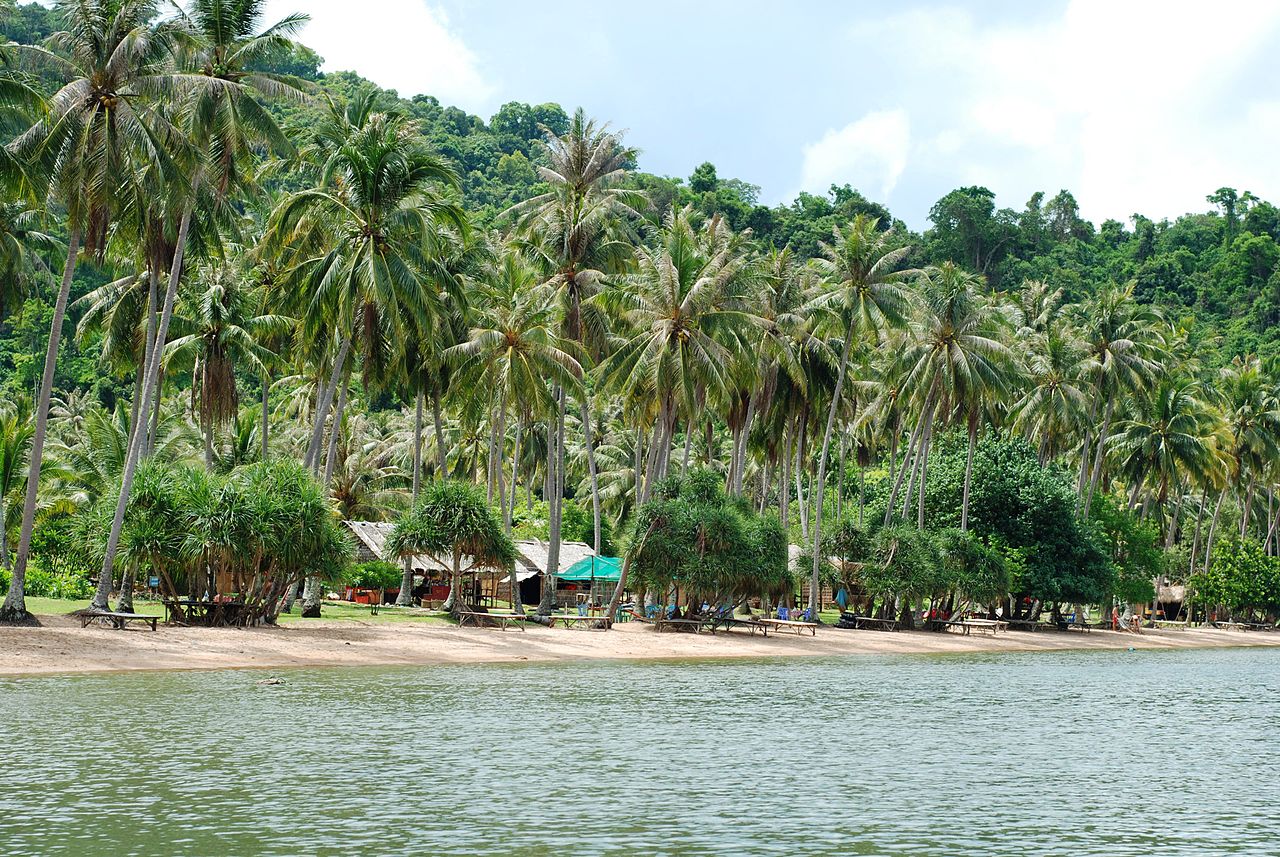


Geography and administration
Kep Province is almost entirely surrounded on land by Kampot Province; its only maritime boundary faces the Gulf of Thailand, reported as roughly 16 km of coastline. The landscape is a mix of rocky headlands, wooded hills and coastal flats. Kep National Park occupies hills immediately adjacent to the town and provides short walking trails, viewpoints and forested areas that transition quickly to seaside scenery.
History
The town of Kep developed notoriety in the 20th century as a seaside retreat during the French colonial period, when villas and resort amenities were established. Like many parts of Cambodia, the area suffered decline during mid-century conflict and population displacement. Since the late 20th and early 21st centuries there has been gradual restoration of some colonial structures, modest tourism investment and renewed attention to the natural environment.
Economy and tourism
The local economy combines fishing, small-scale agriculture, services and visitor-oriented businesses. Kep’s crab market is a regional culinary attraction, and informal seaside restaurants serve fresh seafood to day-trippers and overnight visitors. Short boat trips to nearby islands such as Koh Tonsay (commonly called Rabbit Island) are a popular activity, along with coastal walks and birdwatching in quieter seasons.
Environment and conservation
Kep National Park is a prominent local conservation and recreation area, offering accessible trails and viewpoints near the town. Conservation challenges typical of small coastal provinces—pressure from development, litter from tourism and fishing impacts—are addressed through local initiatives, park management and community awareness projects. The coastal and marine environments around Kep include shallow reefs and seagrass areas important to fisheries and biodiversity.
Practical information and access
- Getting there: Kep is reachable by road from the larger nearby city of Kampot and from the capital region; travel times vary by road conditions and transport mode.
- Accommodation: offerings range from small guesthouses to boutique lodges rather than large resort complexes.
- Best uses: Kep suits visitors seeking short nature walks, seafood dining, gentle coastal scenery and a low-key cultural experience rather than extensive urban services.
Notable features
- Kep National Park: forested hills and viewpoints close to town.
- Seafood market and coastal dining: local crab dishes and fresh catches.
- Nearby islands: short ferry or boat trips to small, sandy islands for day visits.
Researchers, visitors and prospective investors typically treat Kep as a small, distinctive province with an emphasis on natural and cultural assets. For current travel advice, conservation rules and administrative details, consult official provincial sources and local tourism offices for up-to-date guidance.
Questions and answers
Q: What is Kep province in Cambodia?
A: Kep province is a province located in Cambodia.
Q: What is the capital city of Kep province?
A: The capital city of Kep province is also named Kep.
Q: How many districts are there in Kep province?
A: There is only one district in Kep province, which is named Damnak Chang'aeur.
Q: What tourist attraction is located in Kep province?
A: Kep National Park is a tourist attraction located in Kep province.
Q: Is Kep province surrounded by other provinces?
A: Yes, Kep province is entirely surrounded by Kampot Province, except for the 16 km of sea coast on the southern side fronting the Gulf of Thailand.
Q: Where is the sea coast in Kep province located?
A: The 16 km sea coast in Kep province is located on the southern side fronting the Gulf of Thailand.
Q: Is Kep National Park worth visiting?
A: It is subjective, but Kep National Park is a well-known tourist attraction in Kep province in Cambodia.
Related articles
Author
AlegsaOnline.com Kep province, Cambodia: geography, history, and attractions Leandro Alegsa
URL: https://en.alegsaonline.com/art/52990