
Katwijk: Dutch coastal town of beaches, history and contemporary culture
Katwijk is a coastal municipality in South Holland, Netherlands, known for wide beaches, dune landscapes, fishing heritage, museums and a lively arts scene including legal graffiti and Space Expo nearby.
Overview
Katwijk is a coastal town and municipality in the province of South Holland in the western Netherlands. It sits on the shores of the North Sea and combines a long history as a fishing community with seaside tourism, residential neighbourhoods and a visible contemporary culture. The municipality has a population of roughly 62,825 people and includes several population centres that form a continuous coastal settlement.
Image gallery
10 Images


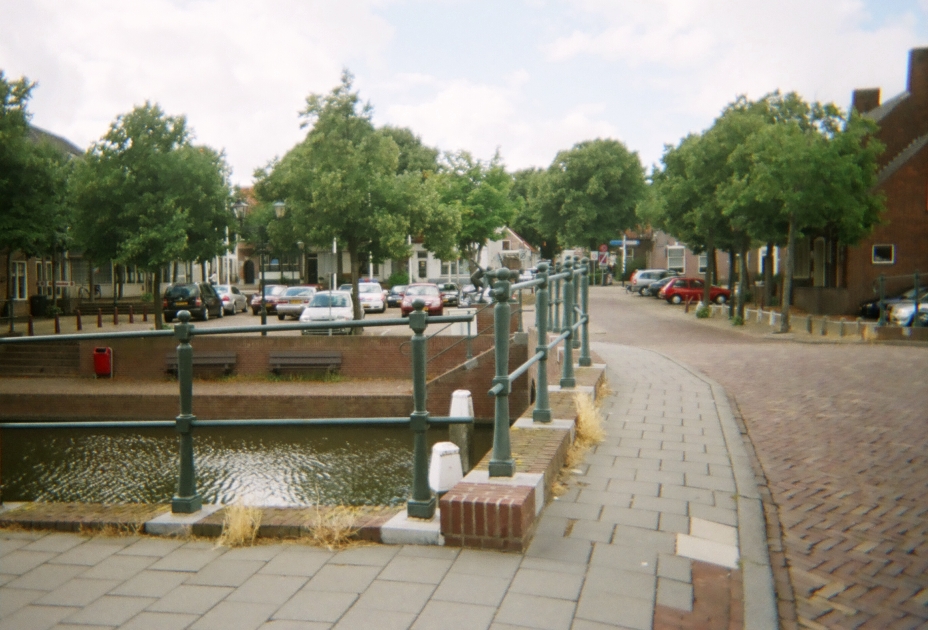


Location and landscape
Katwijk lies on a dune-backed stretch of coastline, about 16 kilometres north of the city of The Hague. Its setting is characterised by wide sandy beaches, coastal dunes and promenades that attract seasonal visitors. The dune system provides natural coastal defence and supports walking, cycling and nature conservation in areas between the shore and inland neighbourhoods.
History
The town developed as a fishing settlement and maintained strong maritime traditions for centuries. Archaeological finds and local history indicate occupation in earlier periods, and the pattern of a harbour, fishermen's houses and shore-based livelihoods shaped Katwijk's identity. In the 19th and early 20th centuries the town also grew as a seaside resort, with bathing and promenade culture joining the traditional fishing economy.
Municipal organisation and recent changes
Katwijk expanded administratively in the early 21st century: on 1 January 2006 the former municipalities of Rijnsburg and Valkenburg were merged into Katwijk. The modern municipality therefore covers several formerly independent communities and a mix of coastal and slightly inland districts, each with its own local history and built heritage.
Culture, heritage and museums
Visitors and residents can explore local museums and galleries that document maritime life, regional history and fine art. Small local collections present the fishing past and civic history, while other institutions host rotating exhibitions. There is also a railway museum of local interest. The town's cultural offer is complemented by nearby attractions; notably, the European Space Agency technical centre and the Space Expo visitor attraction are located on the town's border, and well-known regional leisure destinations such as Duinrell and the Keukenhof gardens are within easy reach for day trips.
- Local and regional history museums and art galleries (museums)
- Maritime heritage and harbour area
- Space Expo and ESA technical facilities on the town's edge
- Nearby regional attractions serving tourism
Beaches, tourism and recreation
Katwijk's beaches are a central part of its appeal. The long sandy shore and promenades support swimming, sunbathing, beach sports and seasonal events that bring both domestic and international visitors. The town is particularly popular with tourists from neighbouring countries, including visitors from Germany. Local businesses and municipal services cater to day visitors and longer-stay holidaymakers alike, making tourism an important part of the local economy.
For those who prefer quieter outdoor pursuits, the dunes and coastal paths offer opportunities for walking and birdwatching. Facilities along the coast include cafes, beach pavilions and family-friendly amenities concentrated near the main seaside districts.
Contemporary arts and public art
Katwijk has an active contemporary arts scene that includes galleries, community exhibitions and public-art initiatives. Street art and graffiti have a visible presence in the town; local authorities and community groups have created designated legal walls and organised events that channel graffiti into regulated, creative programmes. These activities have included large-scale, temporary projects such as murals on harbour structures and lighthouse-related events that engage residents and visiting artists.
Community cultural life also features seasonal markets, festivals and concerts that build on both traditional customs and newer artistic practices, helping to maintain a year-round cultural calendar beyond the summer tourism season. The local identity retains elements of its fishing heritage—celebrations, architecture and place names reflect that continuity even as new residential development and cultural projects change the urban scene.
Economy and transport
The local economy mixes tourism, retail and services with some remaining fishing activity and light industry. Katwijk is well served by regional roads and regular bus connections that link the town with nearby urban centres such as Leiden and The Hague, supporting commuting and visitor flows. Cycling is common for short-distance travel, and the town's coastal location makes it a popular destination for weekend and day trips from cities throughout the Randstad conurbation.
Environment and coastal management
As a low-lying coastal municipality, Katwijk participates in regional coastal management efforts that protect dunes and maintain sea defences. Sand nourishment and dune restoration are typical measures used along the Dutch coast to manage erosion and preserve recreational beaches. Local planning balances the demands of tourism, nature conservation and residential development along a shoreline that remains central to the town's character.
Further information
Key attractions and themes associated with Katwijk include its shoreline and dunes, museums and galleries, seaside leisure and an active public-art scene. For specific visitor information and municipal services consult local resources and tourism guides that cover beaches (beaches), cultural venues and community projects. Additional local topics of interest are described in the museum guides (museums) and in accounts of contemporary street-art activity (graffiti culture).
General reference points for the region—coastal orientation on the North Sea, relative distance of 16 kilometres north of The Hague and the town's popularity with visitors from Germany—help place Katwijk within the wider Dutch coastal landscape.
Questions and answers
Q: Where is Katwijk located?
A: Katwijk is a town in the Netherlands, located near the coast of the North Sea and about 16 kilometers north from The Hague.
Q: How many people live in Katwijk?
A: As of 2019, there are 62,825 people living in Katwijk.
Q: What makes Katwijk popular with tourists?
A: Tourists from Germany especially enjoy visiting Katwijk due to its beach, several museums and galleries of fine art, a railway museum, and some museums of local and regional history.
Q: What other attractions are near Katwijk?
A: Nearby attractions include the headquarters of the European space organisation ESA with its space travel museum Space Expo (on the town's borders), Duinrell in Wassenaar and Keukenhof in Lisse.
Q: Is graffiti common in Katwijk?
A: Yes, graffiti culture is quite widespread throughout Katwijk. There are even legal graffiti places that can be found around town as well as activities such as covering up lighthouses with graffiti being organised.
Q: When was Rijnsburg merged into the municipality of Katwijk?
A: On 1 January 2006, Rijnsburg and Valkenburg were merged into the municipality of Katwijk.
Related articles
Author
AlegsaOnline.com Katwijk: Dutch coastal town of beaches, history and contemporary culture Leandro Alegsa
URL: https://en.alegsaonline.com/art/52535