
Kars — city in northeastern Turkey
Kars is a historic city on the high Anatolian plateau of northeastern Turkey, noted for its layered Armenian, Ottoman and Russian heritage, nearby medieval Ani and its cold continental climate.
Kars (Armenian names: Ղարս / Կարս; Azerbaijani: Qars) is a city in the far northeast of modern Turkey. It is the administrative centre of Kars Province and stands on a high volcanic plateau close to the border with the South Caucasus. The city’s history reflects successive Armenian, Byzantine, Seljuk, Ottoman and Russian influences; its townscape combines medieval monuments, a 19th‑century Russian layout and Ottoman urban fabric.
Image gallery
10 Images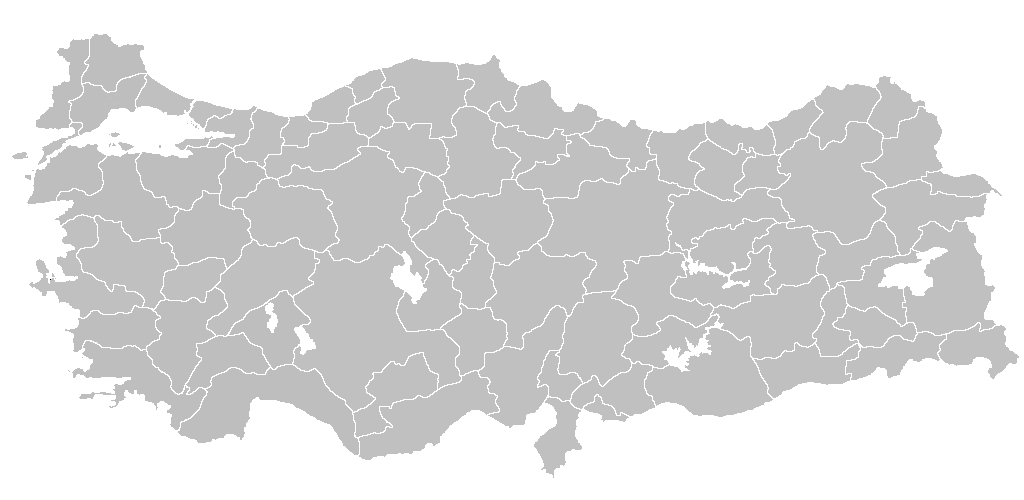


Geography and climate
Kars lies at high elevation on an inland plain and experiences a strongly continental climate: long, often severe winters with persistent snow and short, dry summers. This setting shaped traditional livelihoods based on cereal agriculture, animal husbandry and transhumant pastoralism. Its strategic location on routes between Anatolia and the Caucasus made it a frontier settlement for competing polities.
History
The site has been occupied since antiquity and became prominent in the medieval period, close to Ani, a medieval Armenian capital and archaeological landscape. In the Ottoman era Kars served as a fortified garrison and administrative centre. Following the Russo‑Turkish wars of the late 19th century the city fell under Russian administration for several decades; it returned to Turkish sovereignty after the upheavals of World War I and the subsequent treaties that delineated the modern frontier, including the Treaty of Kars.
Architecture and main sights
- The citadel or fortress that crowns the city, with remaining masonry from several periods and panoramic views across the plain.
- The nearby ruined city of Ani, famed for its churches, defensive walls and medieval urban plan, a short distance from the modern city.
- 19th‑century Russian civilian and military buildings, some restored Ottoman houses and several historic mosques and churches that attest to the town’s multicultural past.
Population and cultural character
Kars’s population has fluctuated markedly. Historical counts recorded populations such as 8,672 (1878) and 20,891 (1897); later figures include 54,000 (1970), 142,145 (1990) and 130,361 (2000). The city today reflects a dominant Turkish identity while preserving visible traces of Armenian heritage and a Russian architectural legacy; local dialects, culinary traditions and crafts show regional continuity and exchange.
Economy and transport
As the provincial capital, Kars functions as a regional administrative and service centre. Agriculture and livestock husbandry remain important in the surrounding countryside; seasonal tourism related to Ani and winter landscapes contributes to the local economy. Road and rail connections link Kars to central Anatolia and border regions, and transport improvements have gradually increased accessibility to the city.
Culture and contemporary role
Kars has become known for its layered heritage and for cultural events that draw on local music, food and crafts. The city’s museum collections and archaeological surveys document the long human occupation of the region. For official statistics and archival population studies consult regional sources and historical compilations such as the population records referenced in demographic summaries.
- Close association with the medieval site of Ani, a major archaeological landscape.
- A conspicuous mix of Ottoman, Armenian and Russian urban and religious architecture.
- An historical frontier illustrating shifting imperial and national boundaries in eastern Anatolia and the southern Caucasus.
Questions and answers
Q: Where is Kars located?
A: Kars is located in northeast Turkey.
Q: What is the capital of the Kars province?
A: Kars is the capital of the Kars province.
Q: What was Kars' population in 1878?
A: Kars' population was 8,672 in 1878.
Q: What is the population of Kars as of the year 2000?
A: The population of Kars as of the year 2000 is 130,361.
Q: What was Kars' population in 1990?
A: Kars' population was 142,145 in 1990.
Q: What is a sanjak and what was Kars' relationship with it?
A: A sanjak refers to an administrative division in the Ottoman Empire. Kars was the head of a sanjak in the Turkish vilayet of Erzurum.
Q: What is the Azerbaijani name for Kars?
A: The Azerbaijani name for Kars is Qars.
Related articles
Author
AlegsaOnline.com Kars — city in northeastern Turkey Leandro Alegsa
URL: https://en.alegsaonline.com/art/52396