
Kapo — prisoner functionary in Nazi concentration camps
Kapos were prisoner functionaries appointed by the SS to supervise other inmates in Nazi concentration camps. They occupied a coercive, morally fraught position with duties, privileges, and a contested legacy.
The term kapo refers to a prisoner who was given supervisory or administrative duties by the SS inside Nazi concentration camps. These individuals remained inmates but were assigned responsibilities that ranged from overseeing work details to managing barracks records. The role developed as part of the camp system and became a central feature of how daily life and forced labor were organized during the Holocaust. For a general definition see prisoner and for context about the wider system consult sources on The Holocaust.
Image gallery
4 Images

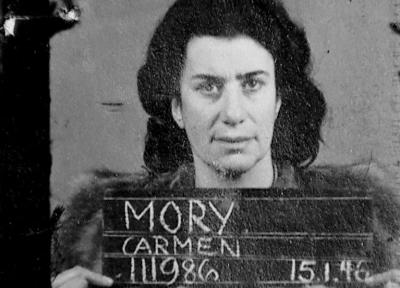

Functions and responsibilities
Kapos served in a variety of capacities. Some acted as foremen on labor gangs and controlled the allocation of work; others performed clerical tasks, kept registries, or supervised living quarters. Within the camp hierarchy there were specific informal titles and ranks, such as block elders or work supervisors, who were expected to enforce SS orders and maintain daily routines. The SS selected kapos to reduce its direct supervisory burden and to exert control through intermediaries; this arrangement is tied to studies of the SS and camp administration (SS).
Selection, privileges and pressures
Selection criteria varied. In many camps the SS preferred recruits from among convicted criminals or those with a reputation for violence because they were thought more likely to perform harsh supervision. This pattern has been documented in accounts noting the frequent recruitment of members of criminal gangs (criminal and gangs). Kapos received material advantages not afforded to ordinary prisoners: exemption from the hardest labor, better rations, clothing, or private sleeping quarters. They sometimes had access to cigarettes or alcohol as tools of control and reward (cigarettes, alcohol).
Abuse, coercion and moral ambiguity
Because kapos operated under SS authority, many participated in brutal treatment of fellow prisoners. Some abused their position to beat or exploit inmates; in other cases kapos acted under direct coercion and threat of punishment if they failed to maintain order. The SS tolerated or encouraged such behavior as a method of indirect control. Historians stress the complexity of moral judgment in these circumstances: kapos could be perpetrators, victims, survival strategists, or some combination of these roles.
Consequences and legacy
After the war, the role of kapos generated controversy during war-crime trials and in public memory. Some former kapos were prosecuted for crimes committed while serving in that capacity; others claimed they had acted to protect themselves or to mitigate harm to others. Scholarly and public debates continue about culpability, coercion, and the ethics of survival under extreme oppression. For comparative studies of forced labor and camp administration see further references (forced labor).
Notable distinctions and further reading
- Functionary vs. guard: Kapos were prisoners, not SS personnel, yet they performed policing tasks under SS directives.
- Variability: Experiences of kapos differed by camp, period, and individual background; some used their position to help others while many exploited it.
- Documentation: Survivor testimonies, trial records, and camp files are primary sources for understanding kapos; consult archival and scholarly compilations (abuse, prisoner).
The history of kapos illustrates how oppressive systems can create layered hierarchies that complicate simple categories of victim and perpetrator. Understanding their role requires attention to institutional incentives, individual agency under duress, and the long aftermath of legal and moral reckoning (SS, The Holocaust, abuse).
Questions and answers
Q: What is a kapo?
A: A kapo is a special type of prisoner in the Nazi concentration camps during The Holocaust who was chosen by the SS camp guards to help run the camps.
Q: What were some of the tasks performed by kapos?
A: Some kapos were in charge of other prisoners, who had to do forced labor, while other kapos did paperwork and kept records in the camps.
Q: Why did the Nazis use kapos?
A: The Nazis used kapos for many reasons. Kapos helped to run the camps, which meant that the camps did not need as many SS guards. The kapos helped the SS control the other prisoners, which made it possible for a small number of SS to run large concentration camps. Also, kapos were not paid for their work, so this saved the Nazis a lot of money.
Q: What special treatment did kapos receive?
A: Although they were not paid, the kapos got special treatment. They did not have to do hard labor, and they were not physically abused like the other prisoners. They sometimes got extra food, cigarettes, alcohol, regular clothes, and private rooms.
Q: How did the kapos keep their special treatment?
A: To keep their special treatment, the kapos had to keep the SS guards happy. If they did not control the other prisoners well enough, the kapos would lose their jobs and become regular prisoners again.
Q: Who were the kapos often chosen by the SS?
A: The SS often chose kapos who were members of violent criminal gangs.
Q: Did the kapos ever abuse other prisoners?
A: Yes, some kapos, especially those who were members of violent criminal gangs, often abused other prisoners badly, and the SS allowed this abuse to happen.
Related articles
Author
AlegsaOnline.com Kapo — prisoner functionary in Nazi concentration camps Leandro Alegsa
URL: https://en.alegsaonline.com/art/52232
Sources
- doi.org : 10.1080/14623520701644432
- leo-baeck.org : "Überlebt weil schuldig – schuldig weil überlebt"
- books.google.com : Liebe Mutti: one man's struggle to survive in KZ Sachsenhausen, 1939–1945
- books.google.com : Music in the Holocaust: confronting life in the Nazi ghettos and camps
- ushmm.org : "Neuengamme / Bremen-Farge"
- en.mauthausen-memorial.at : "Audio guide 05: Prisoner functionaries"
- concentrationcampresistance.com : "Organized Resistance"
- isurvived.org : English translation
- wollheim-memorial.de : "Prisoner administration"
- auschwitz.org : "To My Comrades – From Karl…"
- books.google.com : Dachauer Prozesse: NS-Verbrechen vor amerikanischen Militärgerichten in Dachau 1945-1948
- en.gusen-memorial.at : "The prisoner functionaries system"
- books.google.com : The Buchenwald child: truth, fiction, and propaganda
- denktag2006.denktag.de : "7. Juli - 19. Oktober 1940"