
Kansas Turnpike: the tolled roadway linking southern and eastern Kansas
A state-owned toll road spanning central Kansas from the Oklahoma line to Kansas City. Built in the 1950s and managed by the Kansas Turnpike Authority, it forms sections of several Interstate highways.
The Kansas Turnpike is a tolled expressway that crosses the state of Kansas from the Oklahoma border to the Kansas City area in the United States. Opened in the mid-1950s, the route runs approximately 236 miles and connects major urban centers while also carrying through traffic. Ownership and day-to-day operations are handled by the Kansas Turnpike Authority (KTA), a state agency based in Wichita.
Image gallery
6 Images


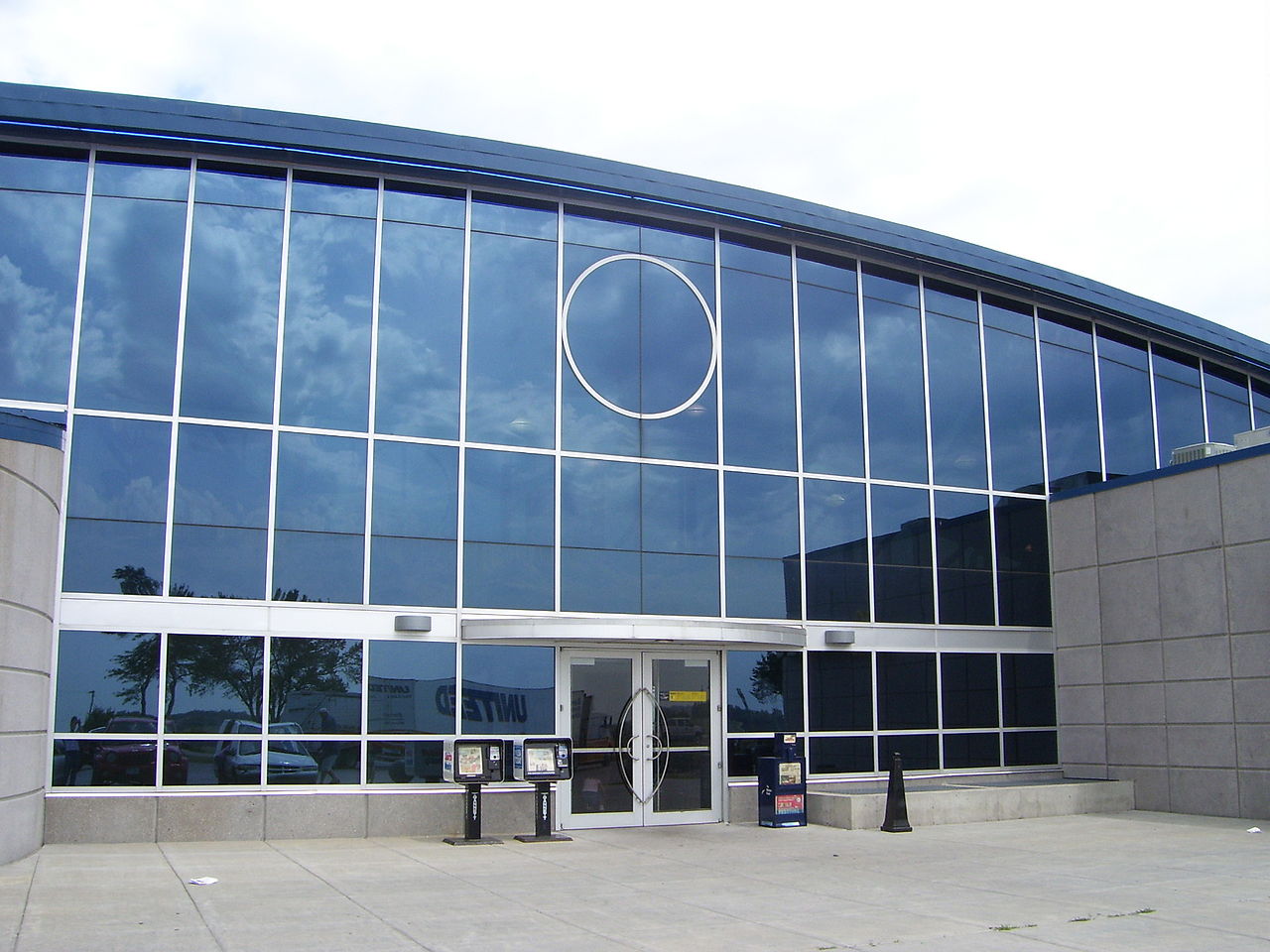


Route, design, and features
The turnpike begins at the Kansas–Oklahoma line and proceeds generally northeast toward the metropolitan area around Kansas City. Along its length the facility provides controlled-access travel with interchanges, service plazas, toll plazas and safety features typical of limited-access highways. It passes through or near several population centers including Wichita, Topeka, and Lawrence, offering both local and long-distance motorists a continuous, high-speed route.
Interstate affiliations and history
Constructed between 1954 and 1956, the Kansas Turnpike predates completion of the federal Interstate Highway System. When the national system was established it was designated to carry several interstate numbers along its corridor. Segments of the turnpike are signed as parts of Interstate highways such as I-35 and I-70, integrating the tolled facility into the broader national network while preserving its separate tolling and maintenance systems.
Services, operations, and funding
The KTA funds construction, maintenance and operations through toll revenues rather than relying on general state tax appropriations. That self-supporting financing model means routine repairs and capital projects are paid from user fees rather than from direct taxpayer funding; the authority does not depend on typical state tax allocations for its core budget. The turnpike serves a substantial daily volume of vehicles—commonly cited around 120,000 users per day—and provides traveler aids such as an informational highway radio channel and multiple service plazas.
- Service plazas offer fuel and convenience items, including gasoline and food options.
- Rest and parking areas are spaced to support long-distance travel and commercial traffic.
- Some stops include historical or commemorative displays, including a memorial related to coach Knute Rockne and broader cultural references such as American football history.
Importance and distinctions
The Kansas Turnpike remains an important transportation backbone for the state, supporting commerce, regional travel, and connections to neighboring states. Its combination of toll financing, integration with the Interstate system, and centralized administration under the KTA make it a notable example of a mid-20th-century toll road that has adapted to modern traffic demands. Travelers use the turnpike for efficient east–west and north–south movements across central Kansas and as a faster, well-maintained alternative to many two‑lane highways.
For more details on routing, toll policies and service locations consult KTA publications and official traveler resources available from state transportation offices and regional planning entities.
Questions and answers
Q: Where is the Kansas Turnpike located?
A: The Kansas Turnpike is located in Kansas, part of the United States.
Q: How long is the road?
A: The Kansas Turnpike is 236 miles, or 380 kilometers, long.
Q: What cities does it run through?
A: The Kansas Turnpike runs through many important cities in Kansas, including Wichita, Topeka, Lawrence and Kansas City.
Q: Who owns and repairs the turnpike?
A: The turnpike is owned and repaired by the Kansas Turnpike Authority (KTA), which is based in Wichita.
Q: When was it built?
A: The turnpike was built between 1954 and 1956 before the Interstate Highway System.
Q: Is it part of any Interstates?
A: Parts of the turnpike are parts of four Interstate Highways - I-35, I-335, I-470 and I-70.
Q: How does KTA help users on the road?
A: KTA helps users by running a radio station about the road as well as building service areas where people can stop and rest or buy gasoline and food.
Related articles
Author
AlegsaOnline.com Kansas Turnpike: the tolled roadway linking southern and eastern Kansas Leandro Alegsa
URL: https://en.alegsaonline.com/art/52191