
Kanchanaburi Province, Thailand
Kanchanaburi is a western Thai province known for its natural parks, waterfalls and World War II heritage sites such as the Bridge over the River Kwai and the Death Railway.
Overview
Kanchanaburi (Thai: กาญจนบุรี) lies in western Thailand and is noted for broad landscapes that combine river valleys, forested hills and limestone karst. It is the largest of Thailand's western provinces and borders neighbouring states to the west. The provincial capital, also called Kanchanaburi, serves as the main gateway for visitors exploring natural attractions and wartime memorials.
Image gallery
10 Images




Landscape and environment
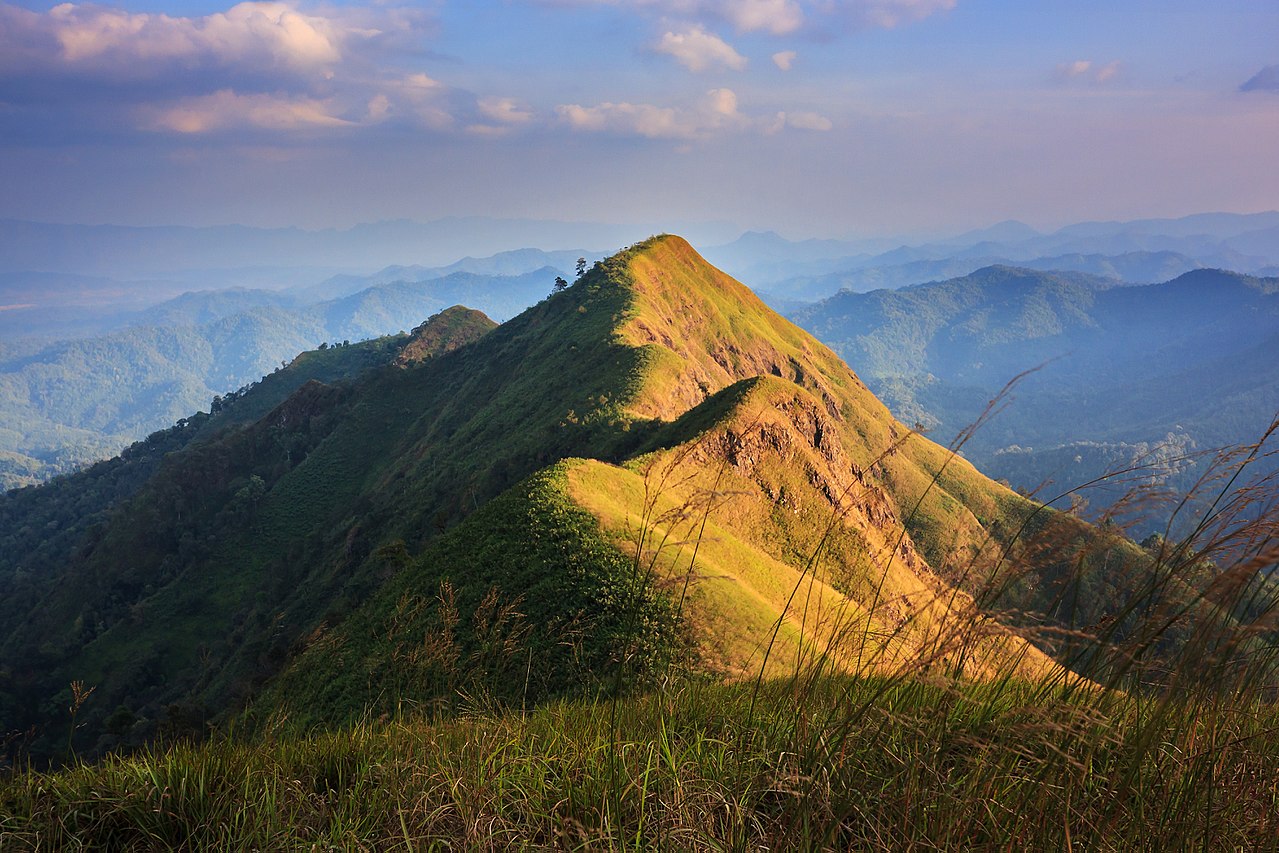
Much of the province is mountainous or covered by protected forest areas that support diverse wildlife and scenic rivers. Karst cliffs, caves and multi‑tiered waterfalls are prominent features, which attract hikers, birdwatchers and photographers. Several national parks and reserves protect waterfalls, hot springs and old‑growth teak and dipterocarp forests.
History and cultural significance
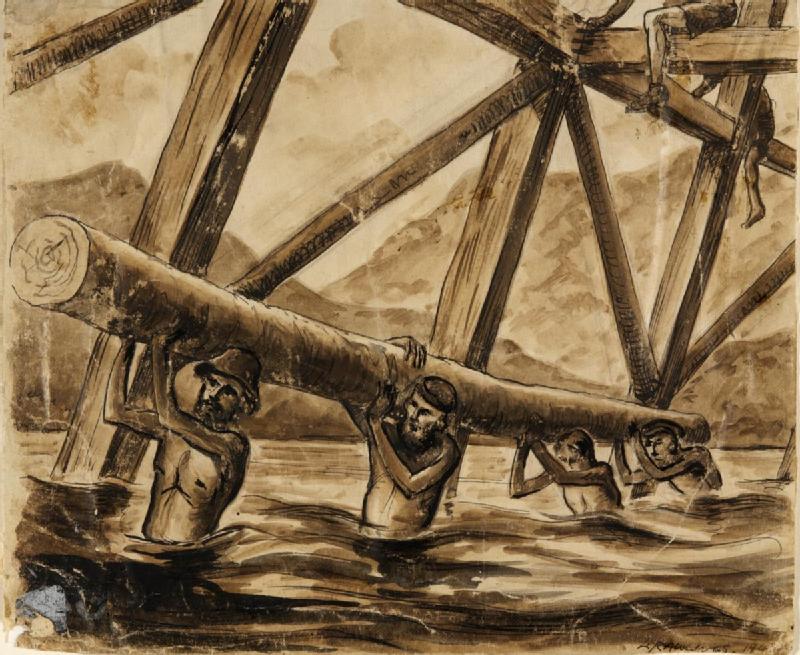
Kanchanaburi has layers of history, from earlier local settlements to its role in the 20th century. During World War II the construction of the Burma‑Thailand railway, often called the "Death Railway," and the bridge over the River Kwai left a lasting legacy. Prisoners of war and forced labourers built the line under harsh conditions; today cemeteries, museums and walking trails remember that history. Popular literature and film helped make the bridge internationally known.
Principal attractions
- Bridge over the River Kwai and the nearby railway line, memorials and war cemeteries.
- Multi‑tiered waterfalls, notably those protected within national parks.
- Caves, viewpoints and river cruises that explore the province's karst scenery.
- Museums and interpretation centres that explain wartime history and local culture.
Visitors come for a mix of history, outdoor recreation and rural culture: trekking, cave visits, boat trips and guided historical walks are common. Local markets and riverside restaurants offer regional food and handicrafts. Practical visitor information, conservation guidance and travel updates can be found on provincial tourism resources such as official guides.
Notable distinctions: Kanchanaburi stands out for combining significant natural conservation areas with a prominent wartime heritage, making it a destination for both ecotourism and historical education.
Questions and answers
Q: What is Kanchanaburi province?
A: Kanchanaburi province is the largest of the western provinces of Thailand.
Q: What attracts tourists to Kanchanaburi?
A: Tourists are attracted by the history of its ancient civilization and the World War II Bridge over the River Khai.
Q: How is Kanchanaburi pronounced?
A: Kanchanaburi is pronounced as "กาญจนบุรี"in Thai.
Q: What is the significance of the World War II Bridge over the River Khai?
A: The World War II Bridge over the River Khai is significant as it is a popular tourist attraction and a symbol of the history of the country.
Q: What is the ancient civilization linked with Kanchanaburi?
A: Kanchanaburi province is linked with the ancient civilization of Thailand.
Q: Which is the most popular tourist destination in Kanchanaburi?
A: The World War II Bridge over the River Khai is the most popular tourist destination in Kanchanaburi.
Q: How is the River Khai spelled?
A: The River Khai is also spelled as "Khwae".
Related articles
Author
AlegsaOnline.com Kanchanaburi Province, Thailand Leandro Alegsa
URL: https://en.alegsaonline.com/art/52073
Sources
- rattanachart.com : "Rattanachart Mining Company"
- allaboutgemstones.com : "Bo Phloi Sapphire" · web.archive.org
- thenaturalsapphirecompany.com : thenaturalsapphirecompany.com
- hrw.org : "Thailand: Clean Up Klity Creek"