
Kampong Thom Province — central Cambodia: geography, history, and significance
Kampong Thom is a central Cambodian province centered on Steung Saen. Known for Tonlé Sap floodplains, the Sambor Prei Kuk archaeological complex, rice farming and riverine communities.
Overview: Kampong Thom is a province in north‑central Cambodia whose capital is Steung Saen Municipality, located on the Stung Sen River. The Khmer name Kampong Thom means "great port," reflecting the province's long relationship with rivers and the lake. The province occupies lowland floodplains and reaches into drier forested areas, making it a transition zone between the Tonlé Sap system and upland Cambodia.
Image gallery
10 Images



Geography and environment
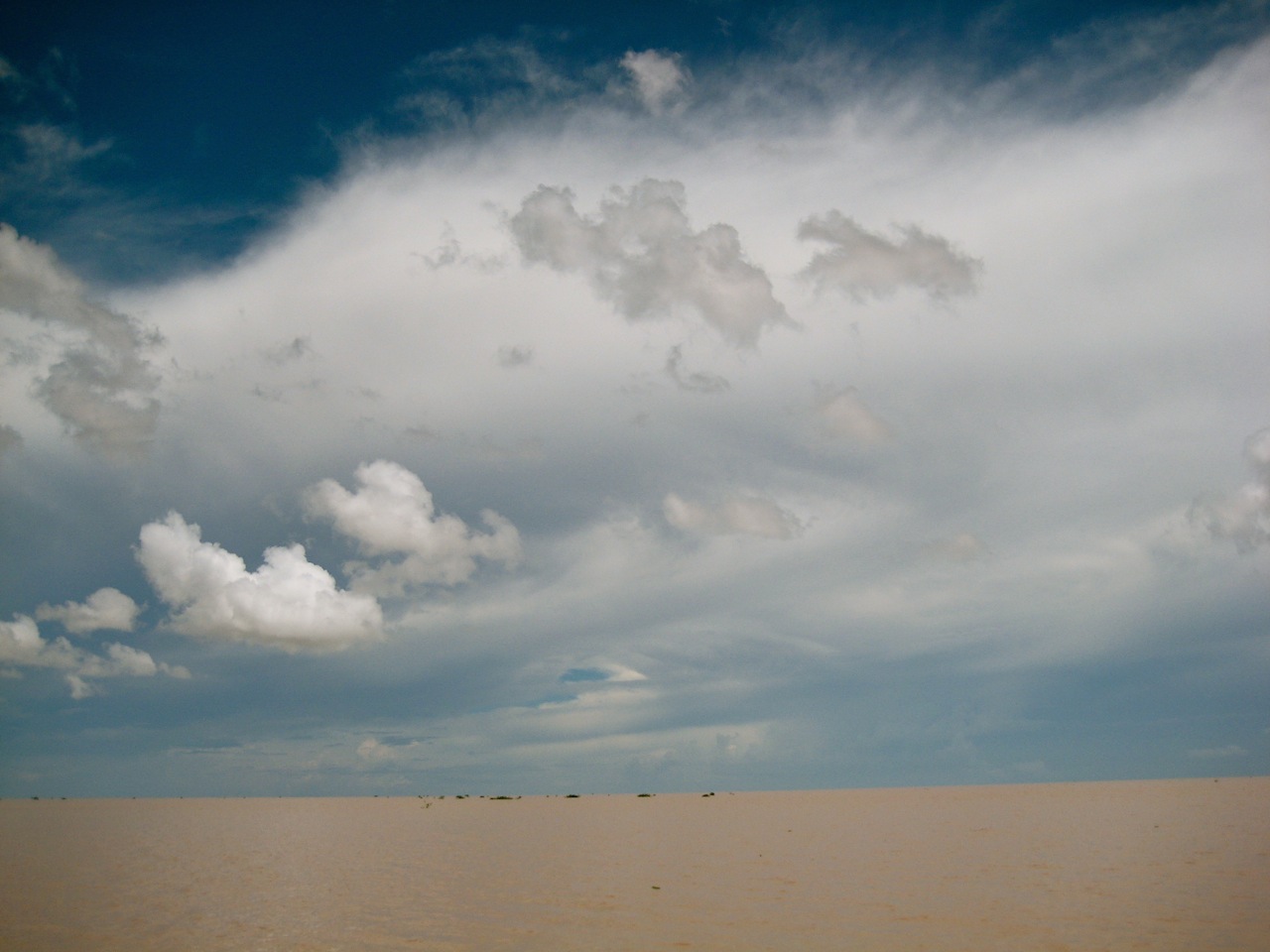
Kampong Thom includes part of the Tonlé Sap floodplain and lies within the ecological influence of the Tonlé Sap Biosphere Reserve. Seasonal flooding from the lake and rivers creates rich wetlands that support inland fisheries and wet‑season rice cultivation. The landscape mixes wetlands, farmland and isolated forest patches with notable limestone outcrops and small hills that are important for local biodiversity and cultural sites.
History and heritage
The province contains significant archaeological remains from pre‑Angkorian and early Angkorian periods. Most prominent is the Sambor Prei Kuk complex, an ancient capital of the Chenla polity, now recognized for its brick temples and sculptural remains. These historic sites illustrate Kampong Thom’s role in the early histories of mainland Southeast Asia and attract researchers and visitors interested in Khmer antiquity.
Administration, economy and transport
Administratively the province is organised into seven districts and one municipality; an overview of its subdivisions is available from provincial records and government sources here. The local economy is dominated by agriculture—particularly wet‑season rice—plus inland fisheries, small‑scale forestry and growing tourism. Major road connections link the provincial capital to Phnom Penh and to northern provinces, and riverine transport remains important locally.
Culture, tourism and notable sites
Religious and village life in Kampong Thom is characteristically Khmer: pagodas, seasonal festivals such as the Khmer New Year and Pchum Ben, and active community rituals. Important attractions include the Sambor Prei Kuk temple group and scenic hills with pagodas such as Phnom Santuk, which offer panoramic views and pilgrimage routes. Visitors come for history, rural landscapes and riverine fisheries experiences.
Conservation and contemporary challenges
The province faces common regional challenges: preserving archaeological sites, managing seasonal flooding, sustaining fish stocks in the Tonlé Sap system, and balancing agricultural expansion with remaining forests. Conservation efforts focus on protecting the biosphere reserve, safeguarding cultural heritage, and supporting livelihoods that depend on the unique floodplain ecology.
Questions and answers
Q: Where is Kampong Thom located?
A: Kampong Thom is a province located in Cambodia.
Q: What is the capital city of Kampong Thom province?
A: The capital city of Kampong Thom province is Steung Saen Municipality, which is situated on the banks of the Stung Sen River.
Q: What is the meaning of Kampong Thom in Khmer language?
A: Kampong Thom in Khmer language means 'great port'.
Q: What is situated in Kampong Thom province?
A: The Tonlé Sap Biosphere Reserve is situated in Kampong Thom province.
Q: How many districts are there in Kampong Thom province?
A: There are seven districts in Kampong Thom province.
Q: How many municipalities are there in Kampong Thom province?
A: There is one municipality in Kampong Thom province.
Q: What is the name of the river on the banks of which Steung Saen Municipality is situated?
A: Steung Saen Municipality is situated on the banks of the Stung Sen River.
Related articles
Author
AlegsaOnline.com Kampong Thom Province — central Cambodia: geography, history, and significance Leandro Alegsa
URL: https://en.alegsaonline.com/art/52056