
Arauco War: Mapuche resistance against Spanish colonial rule
Centuries-long conflict between Spanish colonizers and the Mapuche in Araucanía, beginning c.1536; marked by frontier warfare, parlamentos (negotiated councils), and a final Chilean campaign around 1881.
Overview
The Arauco War was a prolonged, intermittent series of conflicts between Spanish colonial forces (and later the Chilean state) and the Mapuche peoples of the Araucanía region in what is now southern Chile. Early clashes are recorded from about 1536 at Reynogüelén, when an expedition led by the Spanish conquistador Diego de Almagro met organized Mapuche resistance near the confluence of the Ñuble and Itata rivers. Over the following centuries the frontier between European authority and Mapuche-controlled territory remained fluid and contested.
Image gallery
8 Images



Participants, tactics and adaptation
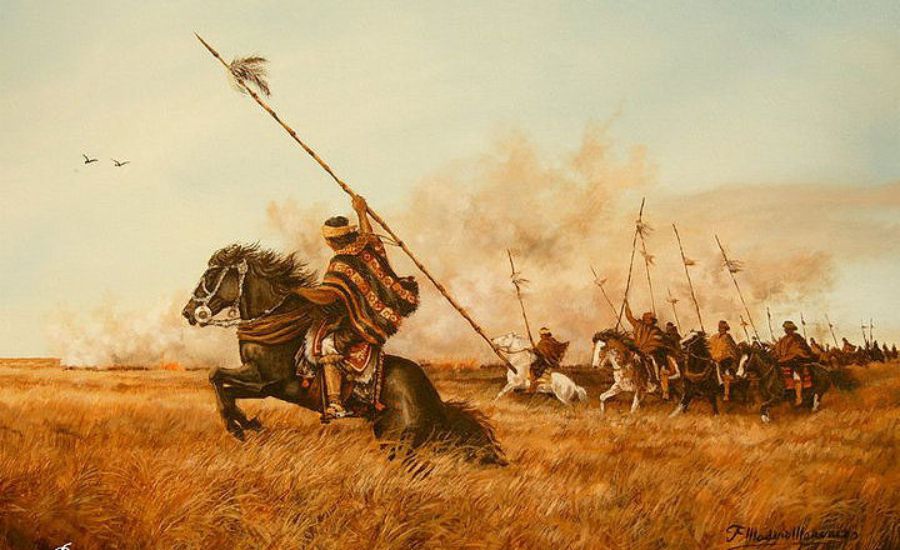
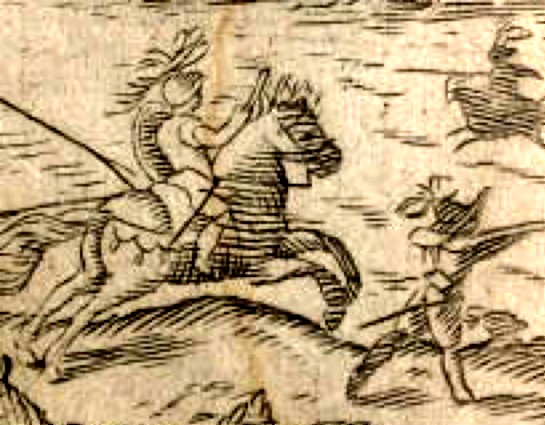
The Mapuche were not a single centralized polity but a collection of communities and confederations that coordinated defense and raiding. They developed guerrilla-style tactics, rapid cavalry raids (often called malones), fortified temporary positions and flexible diplomacy. Over time Mapuche warriors adopted horses and incorporated firearms and metal tools obtained through trade, capture, or limited supply, which changed patterns of warfare.
Spanish strategy and institutions
Spanish responses combined military campaigns, the construction of forts and settlements, missionary activity, and negotiated settlements. Colonial governors and military commanders sought to secure lines of communication and resources, while missionaries attempted conversion and cultural contact. The frontier produced a mixed pattern of violent confrontation and negotiated accommodation rather than simple conquest.
Diplomacy: the parlamentos
From the early seventeenth century colonial governors regularly met Mapuche leaders in formal assemblies known as parlamentos. These councils addressed peace terms, prisoner exchanges, trade arrangements, and the observance of earlier agreements. Parlamentos created a ritualized diplomatic space that acknowledged Mapuche political agency, even if agreements were fragile and violations occurred on both sides.
Course and culmination
- Sixteenth–seventeenth centuries: alternating periods of intense campaigning and local truces, with a frontier crystallizing along the Biobío River and adjacent zones.
- Eighteenth–nineteenth centuries: continued negotiation and conflict as colonial and then republican authorities sought control, with intermittent efforts to assimilate or pacify Mapuche territories.
- Late nineteenth century: the Chilean state mounted a concerted military and political campaign to incorporate Araucanía into national territory, a process often referred to as the Pacification of Araucanía that effectively ended long-standing Mapuche autonomy by about 1881.
Consequences and legacy
The Arauco War shaped regional demography, land tenure and cultural identity. It left a legacy of treaties, frontier institutions and contested claims that persist in contemporary debates over land restitution, indigenous rights and historical memory. Mapuche resistance and diplomacy remain central to how historians and communities understand colonial and republican state formation in Chile.
Further context and resources
For broader background see studies of Spanish colonization in southern South America, works on indigenous resistance, and accounts of frontier diplomacy. For thematic introductions consult general histories on Spanish colonial history, regional studies of Araucanía and modern Chile, and focused discussions of early encounters such as Reynogüelén and initial clashes. These resources provide entry points into scholarly literature, primary documents, and discussions of the conflict's long-term effects.
Questions and answers
Q: What was the Arauco War?
A: The Arauco War was a conflict between colonial Spaniards and Mapuche people of Araucanía region, of modern Chile.
Q: When did the Arauco War begin?
A: The Arauco War began at Reynogüelén in 1536, near the confluence of the Ñuble and Itata rivers.
Q: Who fought in the Arauco War?
A: The Arauco War was fought between an expedition of Diego de Almagro and a large, well organized group of Mapuche soldiers.
Q: What were the "Parlamentos" held between the governors of Chile and Mapuche chiefs?
A: The "Parlamentos" were meetings held since 1609 between the governors of Chile and Mapuche chiefs to discuss maintenance of a treaty between both parties.
Q: Were violations of the treaty frequent during the "Parlamentos"?
A: Yes, violations of the treaty were frequent during the "Parlamentos."
Q: How did the Arauco War end?
A: The Arauco War ended with a process known as the Pacification of Araucanía in 1881.
Q: What was the Pacification of Araucanía?
A: The Pacification of Araucanía was a process that finally ended the Arauco War in 1881.
Tags
Related articles
Author
AlegsaOnline.com Arauco War: Mapuche resistance against Spanish colonial rule Leandro Alegsa
URL: https://en.alegsaonline.com/art/5205