
Kalibangan: Indus Valley Site on the Ghaggar-Hakra Plain
Kalibangan is an archaeological site in Rajasthan associated with the Indus Valley civilization, noted for its mud-brick town planning, unique fire altars and the earliest known ploughed field.
Overview
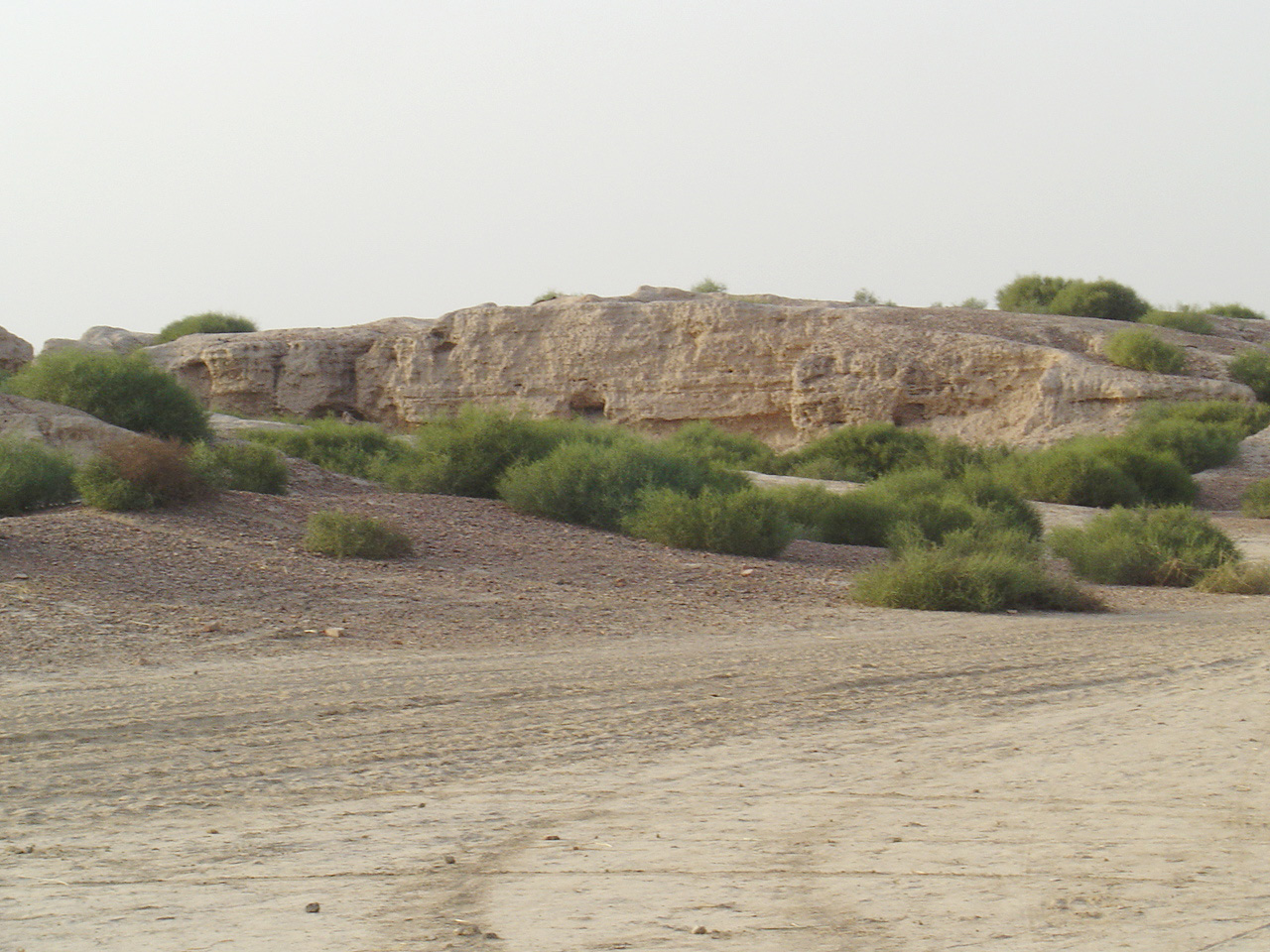
Kalibangan is a prehistoric urban settlement in the northwestern part of the Indian subcontinent, located on the southern bank of the seasonal Ghaggar (often referred to in scholarship as the Ghaggar-Hakra) river plain. The site occupies a triangular tongue of land formed by the meeting of local streams historically called Drishadvati and Sarasvati, and is one of the better-known centers of the Indus Valley cultural complex. Excavations have revealed both pre-urban and fully urban phases showing continuity of occupation and local development.
Image gallery
10 Images



Archaeological investigations and chronology
Major excavations at Kalibangan were undertaken in the mid-20th century and examined stratified deposits that record early farming communities and later Harappan urban features. A comprehensive site report by the national archaeological authority was published decades after the fieldwork, summarizing the stratigraphy, finds and interpretations that led scholars to identify Kalibangan as an important regional centre within the broader Indus tradition. For a summary of the riverine setting see the Ghaggar-Hakra context, and for publication details and official summaries consult the archaeological report issued by the survey.
Layout, structures and material culture
The settlement displays the two-part plan typical of many Indus sites: a raised citadel area and a lower town. Mud-brick architecture, fired-brick platforms, and evidence for planned streets and drainage were uncovered, alongside domestic compounds and craft workshops. Pottery types include brightly painted wares with geometric motifs, and a range of terracotta objects and tools point to varied household and artisanal activities. Grain storage features and hearths indicate an economy based on crop cultivation and local processing.
Key discoveries and distinguishing features
- Fire altars and ritual spaces: A series of square and rectangular hearths or altar-like features were found in certain sectors, interpreted by some as locales for communal or ritual use. These distinctive installations are often highlighted in discussions of the site's social practices; an accessible discussion may be found via the site notes on the fire-altar assemblage.
- Ploughed field: Impressively, archaeologists documented furrow patterns that have been read as traces of systematic ploughing, making Kalibangan one of the earliest places where field layout and tillage practices are archaeologically visible.
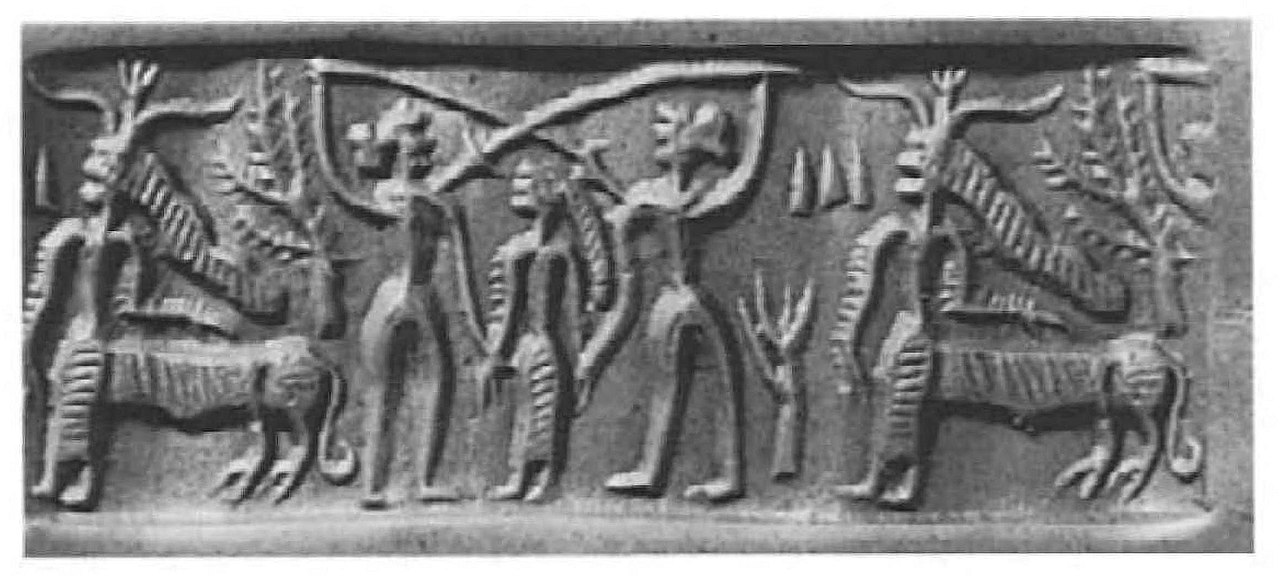
- Burial practices: The cemetery evidence shows diversity in mortuary treatment, including both circular and rectangular graves, suggesting varying local customs over time or between groups.
Significance, interpretation and later history
Kalibangan is frequently cited as a regional administrative or production centre within the Indus cultural sphere, reflecting local adaptation of urban planning and agricultural organization. Its riverine position was crucial to its economy, but like several contemporaneous settlements it appears to have declined as river courses shifted and environmental conditions changed in the later third millennium BCE. The relationship of Kalibangan to textual traditions or later cultural histories is a subject of academic debate, and straightforward cultural linkages are treated cautiously by specialists.
Conservation and public access
Today Kalibangan is an archaeological site protected under national heritage regulations and receives periodic conservation attention. The site remains important for understanding early urbanism, prehistoric agriculture and ritual variation in South Asia; it is also used as a case study in courses and publications about the Indus world. For more detailed primary-source information and the official site report see the publications and summaries cited above.
Questions and answers
Q: Where is Kalibangan located?
A: Kalibangan is located in Rajasthan, India, on the left or southern banks of the Ghaggar River.
Q: What is the significance of Kalibangan?
A: Kalibangan was a major provincial capital in the Indus Valley, and archaeological excavations have uncovered unique fire altars and the world's earliest known ploughed field.
Q: When were the excavations at Kalibangan completed?
A: The excavations at Kalibangan were completed 34 years before the publication of a report by the Archaeological Survey of India in 2003.
Q: What types of burials were found at Kalibangan?
A: Circular graves and rectangular graves were found at Kalibangan.
Q: What rivers converge at Kalibangan?
A: The Drishadvati and Sarasvathi Rivers converge at Kalibangan.
Q: Who completed excavations at Kalibangan?
A: The Archaeological Survey of India completed excavations at Kalibangan.
Q: What are some of the unique discoveries made at Kalibangan?
A: Unique discoveries at Kalibangan include fire altars and the world's earliest known ploughed field.
Related articles
Author
AlegsaOnline.com Kalibangan: Indus Valley Site on the Ghaggar-Hakra Plain Leandro Alegsa
URL: https://en.alegsaonline.com/art/51970
Sources
- britannica.com : "India"