
Kabyles: the Berber people of Kabylie, northeastern Algeria
Overview of the Kabyle (Kabyles) — a Berber people from the Kabylie highlands of northeastern Algeria, their language, culture, history, and contemporary significance.
Overview
The Kabyles (Kabyle: Leqbayel) are a Berber people concentrated in the mountainous region known as Kabylie in northeastern Algeria. They speak the Kabyle language, a variety of the Berber (Amazigh) linguistic family widely referred to in scholarship and community life as a distinct language; see Kabyle language and a brief pronunciation guide. Traditionally organized around villages and clan networks, Kabyle society combines agrarian and pastoral livelihoods with a strong sense of local autonomy and cultural continuity.
Image gallery
8 Images


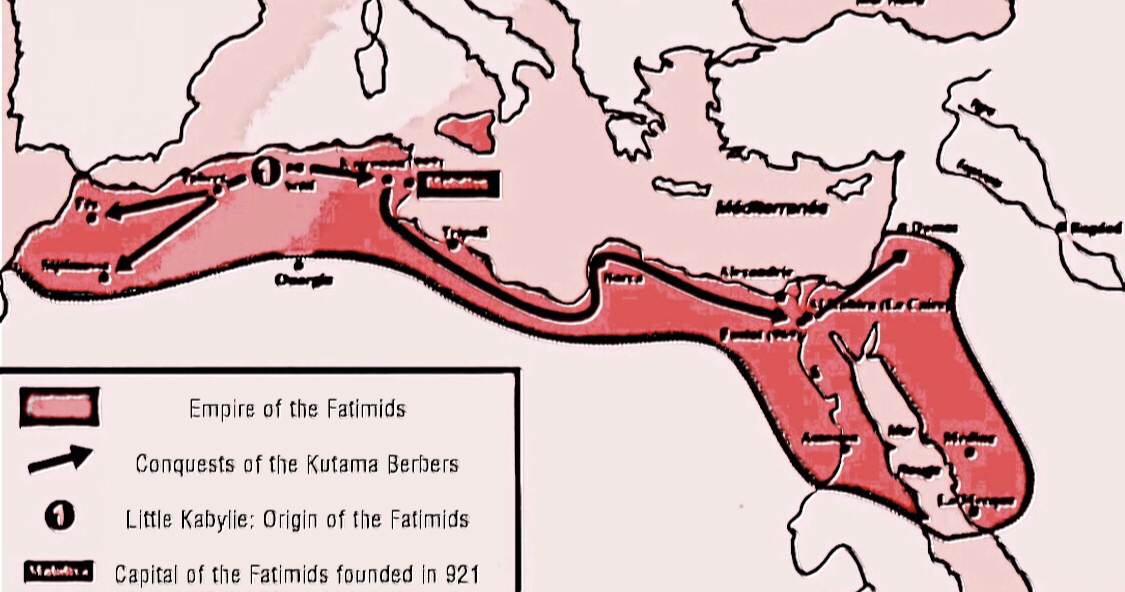


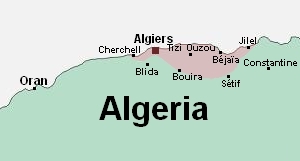
Language, identity and social structure
The Kabyle language is part of the larger Berber (Amazigh) group of languages and has long been a central marker of identity. Many Kabyles are bilingual in Arabic and French as well, reflecting historical contact and migration. Social life in Kabylie has often centered on village assemblies, customary law and extended family ties; these features have helped preserve local customs, oral literature and communal forms of governance.
History and political role
Kabylia's geography — rugged, forested mountains — shaped a history of relative independence and local resistance to outside control. Over centuries Kabyles interacted with regional empires and colonial powers, and in modern times they played active roles in Algerian political life. During the late 20th and early 21st centuries, Kabyle activists were prominent in campaigns for recognition of Berber language and culture, contributing to national debates and legal changes regarding Amazigh rights and language status in Algeria; several civic movements pressed for official acknowledgment and public education in Berber languages, including Kabyle.
Culture, economy and diaspora
Kabyle culture is known for its rich oral traditions — poetry, storytelling and music — as well as handicrafts and agricultural products. Common livelihoods include small-scale farming, olive and fruit cultivation, and artisanal work. From the mid-20th century onward, significant Kabyle communities have formed in France and elsewhere, creating diasporic networks that maintain cultural ties, remittances and political engagement with Kabylie.
Key characteristics and notable facts
- Ethnolinguistic identity: Kabyle is a major Berber language and a primary identity marker (Berber / Amazigh).
- Homeland: the highlands of Kabylie, a mountainous coastal region of northern Algeria.
- Religion: majority Sunni Muslim, often combined with distinct local customs and customary law.
- Cultural activism: Kabyles were influential in campaigns for recognition of Berber languages and cultural rights in Algeria (language and rights movements).
- Transnational ties: a notable diaspora, particularly in Europe, sustains cultural and political networks.
For an introduction to the language and to learn more about contemporary Kabyle culture and politics, see resources on the Kabyle language and broader studies of Berber peoples. Additional historical and geographic context can be found by consulting sources about Kabylie and modern Algeria, and about movements for Amazigh recognition and rights (Berber language recognition).
Questions and answers
Q: Who are the Kabyles?
A: The Kabyles are a Berber people who live in the highlands of Kabylie in northeastern Algeria.
Q: What is the meaning of the name "Kabyles"?
A: The name "Kabyles" comes from the name of the mountainous region in the north of Algeria where they live traditionally. It is believed to mean "tribes" in Arabic.
Q: What language do the Kabyles speak?
A: The Kabyles speak Kabyle, which is a Berber language.
Q: What is the traditional homeland of the Kabyles?
A: The traditional homeland of the Kabyles is the highlands of Kabylie in northeastern Algeria.
Q: What is the Kabyles' stance on the official recognition of the Berber language?
A: The Kabyles have been very active in fighting for the official recognition of the Berber language in Algeria.
Q: Who are the Berbers?
A: The Berbers are an ethnic group indigenous to North Africa.
Q: Where do the Kabyles live?
A: The Kabyles live in the highlands of Kabylie in northeastern Algeria.
Related articles
Author
AlegsaOnline.com Kabyles: the Berber people of Kabylie, northeastern Algeria Leandro Alegsa
URL: https://en.alegsaonline.com/art/51854