
Just-World Phenomenon
A common cognitive bias in which people assume outcomes are deserved, often producing victim-blaming, rationalizations, and social consequences. Covers definition, research, examples, and critiques.
Overview
The just-world phenomenon, also called the just-world hypothesis, is the tendency to believe that people generally get what they deserve: good things happen to good people, and bad things happen to those who deserve punishment. This intuition can make events seem orderly and fair, but it often oversimplifies complex causes and leads observers to blame victims for their misfortune. The idea is sometimes likened to popular notions of Karma, though it functions in social cognition rather than as a spiritual doctrine.
Image gallery
1 Image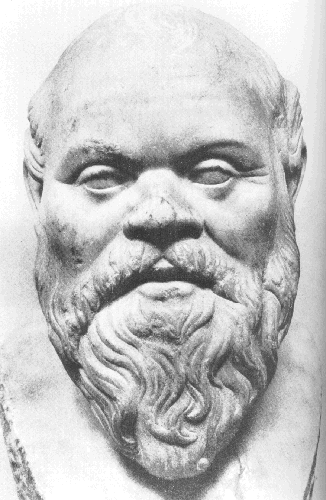
Psychological characteristics
This phenomenon is classified as a cognitive bias and a motivated belief. It can reduce anxiety by restoring a sense of predictability and control: if the world is fair, people can avoid misfortune by behaving rightly. Yet that psychological comfort comes at a cost. Observers may minimize suffering, attribute responsibility to victims, or overlook structural and situational causes. The belief operates both ways — people may also assume that positive outcomes reflect moral worth or effort.
Origins and research
The concept was articulated and popularized by social psychologists in the mid-20th century. Experimental studies have demonstrated predictable patterns: when people witness others' misfortune, they are more likely to find explanations that preserve a fair world, often by attributing blame to the victim's character or choices. Research spans laboratory experiments, survey data, and analyses of media portrayals that show how just-world reasoning shapes public attitudes.
Consequences and examples
Belief in a just world influences individual and collective behavior. Typical manifestations include:
- Victim blaming in responses to crime, illness, or poverty;
- Resistance to social welfare or structural explanations for inequality;
- Overemphasis on personal responsibility in workplace or educational settings.
These tendencies can reduce empathy and impede effective responses to social problems by focusing on supposed moral failings rather than causes and remedies.
While superficially similar to concepts labeled superstition, it differs in mechanism. Observers may treat fair-world beliefs as common-sense heuristics rather than formal superstition or organized religious belief. Cultural, social, and political contexts shape how strongly people endorse just-world explanations: societies that emphasize individual merit tend to show higher prevalence of this reasoning.
Critics and scholars note that the just-world belief can perpetuate injustice and impede social support. Countering it typically involves education about systemic causes, promoting empathy, and encouraging critical examination of causal assumptions. Understanding the just-world phenomenon helps explain certain patterns of judgment and suggests ways to respond more fairly to others' misfortune.
Questions and answers
Q: What is the Just-World phenomenon?
A: The Just-World phenomenon is when people believe that if bad things happen to someone, it's because they must have done something to deserve it.
Q: Is the Just-World phenomenon similar to Karma?
A: Yes, the Just-World phenomenon is similar to Karma, although it's more of a superstitious belief than a religious one.
Q: Does the Just-World phenomenon also apply to good things happening to people?
A: Yes, the Just-World phenomenon also applies to good things happening to people, with the belief being that they must have done something to deserve it.
Q: How does the Just-World phenomenon affect people's views on justice and fairness?
A: The Just-World phenomenon can cause people to view justice and fairness as being closely tied to a person's actions and behaviors. It can lead them to believe that good things only come to those who deserve them and bad things only happen to those who bring them upon themselves.
Q: Can the Just-World phenomenon cause people to blame victims of misfortune?
A: Yes, the Just-World phenomenon can cause people to blame victims of misfortune, as they believe that the person must have done something to bring about their bad luck.
Q: Is the Just-World phenomenon a common belief among people?
A: Yes, the Just-World phenomenon is a common belief among people, although not everyone subscribes to it.
Q: Does the Just-World phenomenon have any negative consequences?
A: Yes, the Just-World phenomenon can have negative consequences, such as causing victim blaming and leading to a lack of empathy and support for those who are suffering.
Related articles
Author
AlegsaOnline.com Just-World Phenomenon Leandro Alegsa
URL: https://en.alegsaonline.com/art/51763