
June Cleaver — archetype of the 1950s American homemaker
Fictional mother from the U.S. sitcom Leave It to Beaver (1957–1963), played by Barbara Billingsley; shorthand for the idealized, impeccably managed suburban housewife and a symbol in debates about gender roles.
Overview
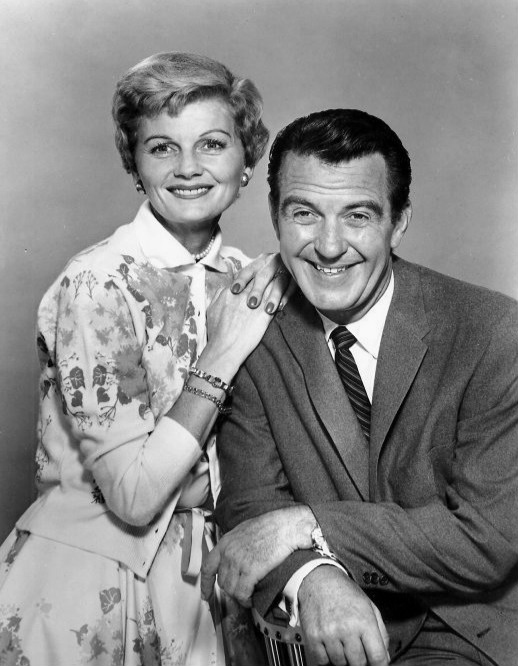
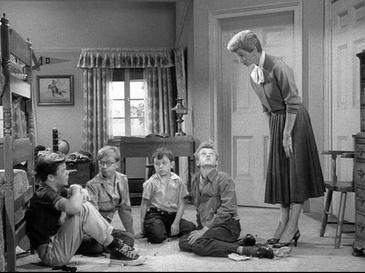
June Cleaver is a fictional character from the American television sitcom Leave It to Beaver (which aired from 1957 to 1963). As the mother of Wally and Theodore "Beaver" Cleaver and the wife of Ward Cleaver, she is presented as the calm, nurturing center of a middle-class suburban household. Portrayed by actress Barbara Billingsley, June functions in the series as a moral guide and steady domestic presence whose behavior became shorthand for an idealized postwar housewife.
Image gallery
3 Images
Characteristics and on‑screen persona
June Cleaver is consistently depicted as composed, patient, and unfailingly polite. On screen she favors dresses, pearls, and well‑groomed hair—an appearance that reinforced a visual image of domestic perfection. Her role is primarily domestic: managing household duties, providing gentle discipline, and offering emotional support to her husband and sons. The character rarely displays overt anger or frustration; problems are usually resolved with calm conversation and firm but kind guidance.
Historical context and reception
June emerged at a time when American popular culture emphasized domestic stability, consumer comfort, and conventional gender roles. Her depiction reflected and reinforced expectations for many middle‑class women in the 1950s and early 1960s. Critics and later commentators have used June Cleaver to illustrate the pressures of the era's domestic ideal. Feminist writers and social historians often cite the character when discussing how media images shaped beliefs about women's work, identity, and value inside the home.
Cultural legacy and usage
Over decades the name "June Cleaver" became a cultural shorthand: journalists, scholars, and casual speakers use it to refer to an immaculate, selfless homemaker or to critique unrealistic standards placed on women. The figure appears in satire, advertising, and academic discussion alike. While some view her as a comforting model of family stability, others interpret her as embodying a restrictive stereotype that ignored women's ambitions beyond domestic life.
Notable distinctions and examples
- Symbolic role: June stands less as a fully developed individual and more as an emblem of domestic virtue in mid‑century television.
- Enduring reference: The name persists in modern conversation when contrasting contemporary family roles with past expectations.
- Actress: Barbara Billingsley's portrayal is widely recognized for contributing to the character's lasting image.
Understanding June Cleaver today involves balancing recognition of her historical popularity with critical attention to how idealized media portraits shape social norms. Whether invoked admiringly or ironically, the character remains a key touchstone in discussions about gender, family, and popular culture in twentieth‑century America.
Questions and answers
Q: Who is June Cleaver?
A: June Cleaver is a literary reference to the perfect stay-at-home mom, who was a character portrayed in the US television show Leave it to Beaver from 1957 to 1963.
Q: What is the feminine mystique?
A: The feminine mystique is the idea that women should be happy and fulfilled by being full-time homemakers and mothers.
Q: What is the reference to June Cleaver in remarks justifying a messy home?
A: June Cleaver is often referenced in comments justifying a messy home, stating that she made having a spotless house look effortless.
Q: Who played the role of June Cleaver in the show Leave it to Beaver?
A: The role of June Cleaver was played by actress Barbara Billingsley, who was a lifelong resident of Los Angeles county, California, in the USA.
Q: What was the impact of the show Leave it to Beaver on women writers?
A: Women writers sometimes found it difficult to live up to or agree with the feminine mystique portrayed in the show, including the perfect portrayal of June Cleaver.
Q: When was Leave it to Beaver released?
A: Leave it to Beaver was released from 1957 to 1963.
Q: Why is June Cleaver considered the perfect stay-at-home mom?
A: June Cleaver is considered the perfect stay-at-home mom because of her immaculate housekeeping skills and her dedication to her family.
Related articles
Author
AlegsaOnline.com June Cleaver — archetype of the 1950s American homemaker Leandro Alegsa
URL: https://en.alegsaonline.com/art/51624
Sources
- books.google.com : books.google.com/books?id=8gK9SMTSTocC&pg=PA125&dq=June%2BCleaver%2Bclean&hl=en&ei=FDi7TJ…
- imdb.com : imdb.com/name/nm0082511/bio
- blogs.wsj.com : blogs.wsj.com/speakeasy/2010/10/16/barbara-billingsley-june-cleaver-on-leave-it-to-beaver…
- online.wsj.com : online.wsj.com/article/SB10001424052702304898004575556591620101102.html?KEYWORDS=Barbara+…