
Juggalo (subculture associated with Insane Clown Posse and Psychopathic Records)
Juggalo: a music-centered subculture around Insane Clown Posse and Psychopathic Records, recognized for face paint, shared rituals, the annual Gathering festival, distinctive symbols and a strong fan community.
Overview
A Juggalo is a member of a fan community and subculture that developed around the horrorcore group Insane Clown Posse and the independent label Psychopathic Records. The identity combines musical taste with visual style, informal rituals and social bonds. For many participants, being a Juggalo is both a form of fandom and a broader cultural identity that can include long-term friendships, shared slang and participation in community events.
Image gallery
3 Images

Origins and name
The label "Juggalo" emerged in the mid-1990s after members of Insane Clown Posse began using the term to address and describe their audiences during live shows. A performance in 1994 is often cited by fans as an early moment in which the name gained currency; band member Violent J and other performers helped popularize the term through onstage interaction and subsequent songs. Tracks such as "What Is a Juggalo?" and "Down with the Clown" on the 1997 album The Great Milenko further codified the language and themes associated with the group.
Symbols, style and practices
Juggalos frequently display visible markers of affiliation. Common symbols and practices include:
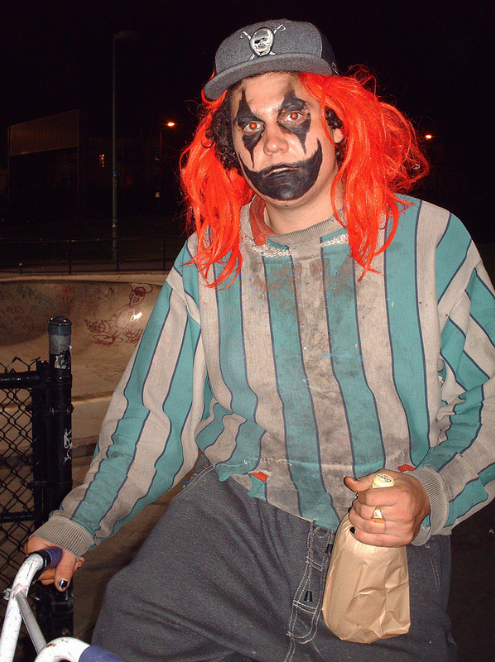
- Clown-inspired face paint that echoes the theatrical aesthetic of the band and stage presentation.
- Use of the Hatchetman logo and other label-related imagery on clothing and tattoos.
- Ritualized consumption of regional soft drinks such as Faygo at concerts and gatherings.
- Shared slang, inside references and a repertoire of songs and chants known among fans.
These markers function as signifiers of belonging and help newcomers learn community norms at shows and meetups.
The Gathering of the Juggalos
The Gathering of the Juggalos is an annual multi-day festival organized by Psychopathic Records and artists associated with the label. Since its inception in 2000, the event has brought together label performers, guest musicians, wrestling exhibitions, contests, camping and fan-led activities. The Gathering is a focal point for the community where music, trade of fan art and mutual social support are prominent features. Many participants value the event as a rare space to meet fellow fans in person and to celebrate shared traditions.
Social context and controversies
Juggalos are diverse in age, class and geography, and the subculture includes a wide range of personal backgrounds. Over time the scene has attracted mainstream attention and scrutiny. Some law enforcement agencies and commentators have at times labeled certain groups of Juggalos as exhibiting gang-like behavior; those characterizations have been disputed and remain controversial. Conversely, many Juggalos emphasize charitable activity, mutual aid and community solidarity. Debates about the meaning and public perception of Juggalo identity have involved media coverage, legal challenges and public statements by artists and advocates.
Cultural significance and study
As a distinct subculture, Juggalos illustrate how musical fandom can develop into a broader social identity with recognizable symbols, rituals and institutions. Scholars of popular culture and fandom have examined the Juggalo scene to explore questions of identity formation, stigma management and how underground music communities relate to mainstream culture. For participants, the identity often centers on loyalty, inclusion and an outsider sensibility that many report as personally important.
Further reading and resources
For more information about the label and artists tied to this scene, see materials produced by Psychopathic Records and the band Insane Clown Posse. Accounts of early performances, including the 1994 concert often referenced by fans, appear in retrospective interviews and concert histories (1994 concert). Context about the band’s recordings and the period around The Great Milenko is available in artist statements and music press, and personal remarks by members such as Violent J have been used to trace how the label and scene evolved.
The Juggalo subculture remains active and visible through online communities, live events and regional gatherings. Observers and participants alike continue to negotiate its public image, internal diversity and cultural significance.
Questions and answers
Q: Who is a Juggalo?
A: A Juggalo is someone who listens to Psychopathic Records and likes Insane Clown Posse.
Q: What is Faygo?
A: Faygo is a drink that Juggalos usually drink.
Q: When did the name Juggalo start?
A: The name Juggalo started at a 1994 concert by Insane Clown Posse.
Q: Who called the audience "Juggalos"?
A: Violent J called the audience "Juggalos".
Q: What songs did Insane Clown Posse write about Juggalos?
A: Insane Clown Posse wrote the songs "What Is a Juggalo?" and "Down with The Clown" for their 1997 album The Great Milenko.
Q: What is the Gathering of the Juggalos?
A: The Gathering of the Juggalos is a yearly festival put on by Psychopathic Records.
Q: Who started the Gathering of the Juggalos?
A: The Gathering of the Juggalos was started by Robert Bruce, Insane Clown Posse, and their label in 2000.
Related articles
Author
AlegsaOnline.com Juggalo (subculture associated with Insane Clown Posse and Psychopathic Records) Leandro Alegsa
URL: https://en.alegsaonline.com/art/51454
Sources
- avclub.com : "Violent J of Insane Clown Posse"