
Judy Garland as a Gay Icon: Origins, Influence, and Legacy
An overview of Judy Garland's emergence as a gay icon, why she resonated with gay audiences, her role in camp and drag culture, the Stonewall-era context, and how her reputation evolved.
Judy Garland is widely regarded as one of the most enduring gay icons of the twentieth century. Her public persona combined extraordinary talent, vulnerability, and theatricality in ways that resonated strongly with many lesbian, gay, bisexual and queer audiences. Readers seeking a concise biography may consult a general profile of her life and career via biographical sources. Commentary on her standing as a cultural symbol appears in studies of celebrity and identity, for example analyses of gay icons.
Image gallery
7 Images

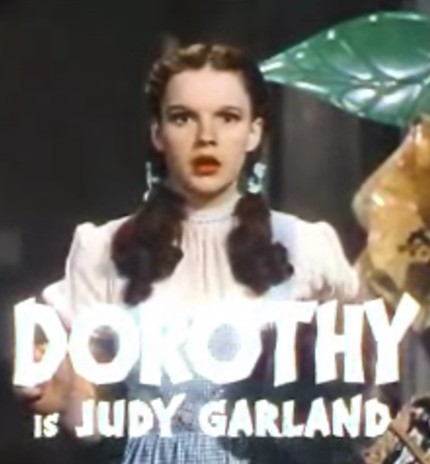




Why Garland became an icon
Several interrelated factors explain Garland's appeal within gay communities. Her performances were emotionally direct and often defiantly theatrical, qualities admired in camp aesthetics. She came to represent resilience and the capacity to survive hardship while maintaining dignity onstage. The film role most commonly associated with this appeal is her portrayal of Dorothy Gale, a character whose combination of innocence and perseverance proved easily adaptable as a point of identification.
Key characteristics
- Camp and theatricality: Garland's dramatic style and flair for emotional expression matched the sensibilities of camp performance and of drag entertainers who parodied or paid homage to her.
- Identification with struggle: Her public battles with addiction and personal turmoil, widely reported during her career, mirrored narratives of marginalization that some gay men and women found recognizably similar to their own experiences.
- Coded community ties: Phrases and practices—such as references to being a "friend of Dorothy"—became part of LGBTQ social life, signaling affinity in hostile public climates.
Historical context and development
Garland's rise to iconic status unfolded across the 1940s and 1950s, as gay urban subcultures consolidated clubs, bars and performance scenes where her records and films were celebrated. Commentators have noted that many gay men admired Garland both for her artistry and as a camp figure; drag shows frequently featured impersonations and affectionate parodies of her work. Social historians often link Garland's public profile to the particular social conditions of mid-century queer life, in which identification with famous performers offered both comfort and coded ways to express identity. Contemporary discussions of gay people and community life may be found at general resources about queer history here.
Stonewall, death, and contested narratives
Garland's death in 1969 and the Stonewall uprising that same year are sometimes mentioned together in popular accounts of gay liberation. Some contemporaries and later writers suggested that Garland's death intensified emotions in gay neighborhoods, while historians debate the extent of any direct causal link. It is important to treat such claims cautiously: the relationship between celebrity events and large-scale political actions is complex and contested. For discussion of closeted social life and how it shaped responses to public figures, see resources on historical closeting here, and for background on Stonewall refer to Stonewall studies.
Legacy and changing reception
Garland's status as a gay icon has evolved. In the decades after Stonewall, many LGBTQ people embraced a politics of pride that favored new heroes and different public images; some younger activists found Garland's image of wounded melodrama less appealing. Nevertheless, her influence persists in drag culture, theatrical tribute and the continued use of her music and screen moments in queer celebrations. Scholars and fans continue to debate what it means for a public figure to become an icon for a marginalized community, and Garland remains a central example in those conversations.
Notable distinctions
- Being an icon does not imply a single, universal meaning: responses to Garland are diverse, reflecting varying tastes, historical experiences and political outlooks.
- Her link to gay audiences combines artistic admiration, camp reinterpretation and the social needs of communities that had limited public recognition in her lifetime.
- Because the connections between individual celebrity events and broad social movements are debated, accounts of Garland's role in LGBTQ history should be read as part of a larger, contested narrative rather than as definitive explanation.
Overall, Judy Garland's relationship with queer audiences illustrates how popular culture can provide symbols of identification, consolation and collective expression. Her case remains instructive for anyone studying the intersections of fame, performance, and community formation in modern social history.
Questions and answers
Q: Who is Judy Garland?
A: Judy Garland was an American actress and songstress who rose to iconic status in the 1950s.
Q: What made her a gay icon?
A: Gays admired her talent as a performer, and her value as a camp figure. Her struggles with drugs, alcohol, and personal relationships during her adulthood mirrored similar struggles among urban closeted gays during the same era. Additionally, her role as Dorothy Gale in The Wizard of Oz may have been the foundation stone of her iconic status.
Q: When did Garland's status as a gay icon begin to slip?
A: Following her death in 1969 and the Stonewall riots, Garland's status as a gay icon began to slip. Young gay men embraced their sexual orientation with pride rather than shame, and could or would not identify with Garland's melodramatic victimhood and emotionalism.
Q: How was she parodied in drag revues?
A: She was often parodied in drag revues.
Q: What were some of the struggles that she faced during adulthood?
A: During adulthood, she struggled with drugs, alcohol, and personal relationships.
Q: How did young gay men view Judy Garland after Stonewall Riots?
A: After the Stonewall Riots, young gay men embraced their sexual orientation with pride rather than shame and could not identify with Garland's melodramatic victimhood and emotionalism.
Related articles
Author
AlegsaOnline.com Judy Garland as a Gay Icon: Origins, Influence, and Legacy Leandro Alegsa
URL: https://en.alegsaonline.com/art/51446