
Judith Ortiz Cofer — Puerto Rican–American author of memoir, poetry and children's literature
Biography and overview of Judith Ortiz Cofer, her life, themes of bicultural identity and bilingualism, major works, teaching career, and legacy in American and Latino letters.
Overview
Judith Ortiz Cofer (1952–2016) was a Puerto Rican–born writer whose work spans memoir, poetry, short fiction and books for young readers. She is widely recognized for exploring the lived experience of bicultural and bilingual communities in the United States, blending personal memory with imaginative narration. Her prose often moves between autobiographical reflection and fictionalized scenes to illuminate immigration, family life and cultural negotiation.
Image gallery
1 Image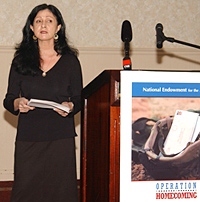
Life and background
Born in Puerto Rico and raised for much of her childhood on the U.S. mainland, Ortiz Cofer wrote from the perspective of someone moving between two cultural worlds. Her upbringing in a Puerto Rican household in an American city provided material for vivid memories of language, food, ritual and the sometimes painful collisions of expectation. Later in life she taught creative writing and literature, shaping new readers and writers while continuing to publish across genres.
Themes and style
Ortiz Cofer’s work repeatedly addresses themes such as identity, cultural displacement, memory and the ways language shapes belonging. She makes frequent use of sensory detail, anecdote and a conversational narrative voice, and often intersperses Spanish phrases or cultural references to reflect bilingual experience. Her writing also confronts social inequalities and prejudices, including discussions of racism and sexism, while portraying family bonds, female coming-of-age and community resilience.
Selected works and audience
Ortiz Cofer published for a range of readers: adults drawn to lyrical memoir and short fiction, as well as children and young adults. Well-known titles include memoir and essay collections and a number of books intended for younger audiences. Her work mixes lyrical observation with accessible storytelling, making it a staple in many classrooms.
- Silent Dancing (a personal memoir and reflection on childhood and cultural memory)
- The Latin Deli (a collection of prose and poetry exploring Latino everyday life)
- An Island Like You (stories for younger readers about barrio life and identity)
- Children's books and folktale retellings, including titles such as The Poet Upstairs, Animal Jamboree/La Fiesta De Los Animales, and A Bailar!/Let’s Dance
Legacy and recognition
Ortiz Cofer's writing has become part of discussions about Latino literature in the United States and about how writers represent migration and cultural hybridity. Her clear, evocative voice and her ability to move between intimate memory and broader cultural commentaries have secured her a lasting place in contemporary American letters. She received recognition from writing communities and was inducted into the Georgia Writers Hall of Fame; her books continue to be read in schools, creative writing programs and by general readers interested in multicultural and bilingual perspectives.
Notable facts and distinctions
Beyond books, Ortiz Cofer’s influence includes classroom anthologies and essays that are frequently assigned in literature and composition courses. She blended scholarly insight with storytelling, making complex social and cultural dynamics accessible without reducing their complexity. Readers often cite her humane portrayals of family life and her honest attention to the tensions of belonging as central strengths of her work.
Questions and answers
Q: Who was Judith Ortiz Cofer?
A: Judith Ortiz Cofer was a Puerto Rican author who was best known for her works of creative non-fiction, which explore cultural differences, racism, and sexism in American culture.
Q: What kind of topics did Judith Ortiz Cofer write about over her career?
A: Judith Ortiz Cofer wrote about a wide range of topics over her career, including love, survival, poetry, folklore, and children's stories.
Q: What does Judith Ortiz Cofer's work primarily focus on?
A: Judith Ortiz Cofer's work primarily focuses on exposing the rifts and gaps that arise between her split cultural heritages.
Q: What is Judith Ortiz Cofer best known for?
A: Judith Ortiz Cofer is best known for her works of creative non-fiction.
Q: What recognition did Judith Ortiz Cofer receive for her contributions to literature?
A: Judith Ortiz Cofer was voted into the Georgia Writers Hall of Fame.
Q: What aspects of American culture did Judith Ortiz Cofer's work explore?
A: Judith Ortiz Cofer's work explores topics such as racism and sexism in American culture.
Q: Was Judith Ortiz Cofer also an author of children's books?
A: Yes, Judith Ortiz Cofer was also the author of a children's book.
Related articles
Author
AlegsaOnline.com Judith Ortiz Cofer — Puerto Rican–American author of memoir, poetry and children's literature Leandro Alegsa
URL: https://en.alegsaonline.com/art/51440
Sources
- georgiaencyclopedia.org : "Judith Ortiz Cofer"
- uhu.es : "About Judith Ortiz Cofer"